
 August M
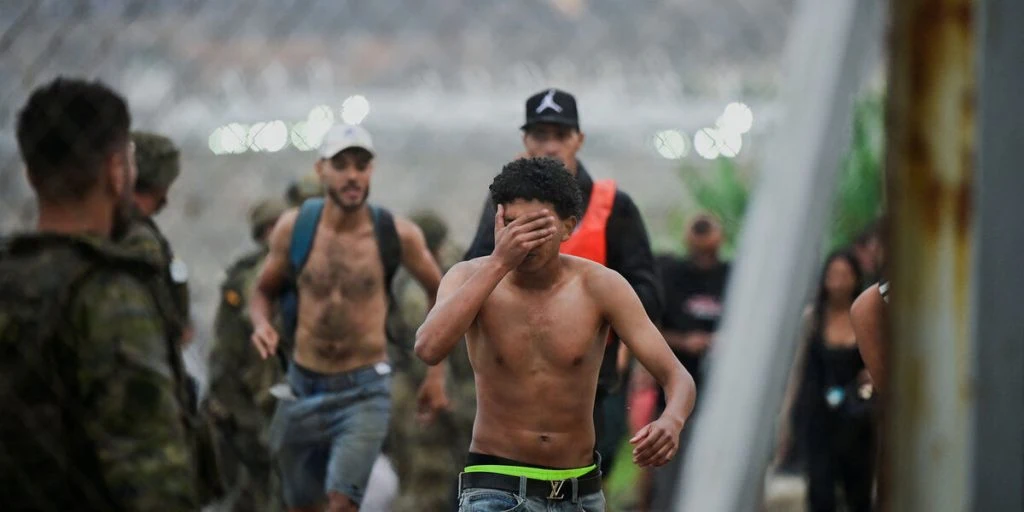
Border towns often find themselves on the front line of sudden human movement.

When thousands of people arrive within a matter of hours, local resources can quickly become overwhelmed as European leaders exchange heated words. A quiet coastal enclave is now at the center of an international political firestorm, reports The Guardian.
Pressure at the border
A sudden surge of over 40,000 migrants crossed from Morocco into the tiny Spanish enclave of Ceuta in just a few hours. According to a report by The Guardian, the massive influx caught the local population of 85,000 completely unprepared for the sheer volume of arrivals.
Tragic scenes unfolded quickly along the rocky coast. Thousands of desperate people attempted to swim around breakwaters or scale high perimeter fences, leading to at least 24 deaths from drowning and crushing near Tarajal beach.
Services collapsed under the strain. Without any available shelter, families and young children slept on public pavements across the city. Rachid Sbihi, who leads a local police association, described the breakdown simply. “It’s chaotic,” Sbihi said.


Prime Minister Pedro Sánchez rushed to Ceuta alongside his interior minister to evaluate the response. While central officials dispatched 60 troops and 30 extra officers, city leaders insisted that far larger deployments were necessary.
European leaders clash
Madrid rejected demands for a formal national emergency status. Officials explained that such legal steps are reserved strictly for extreme weather disasters or nuclear threats. Territorial Policy Minister Ángel Víctor Torres suggested a recent Supreme Court ruling against summary returns at sea might have fueled the sudden rush.
The crisis triggered swift fury from neighboring European capitals. Italian Prime Minister Giorgia Meloni demanded that Spain be suspended from the Schengen borderless travel zone, arguing that border security had broken down completely. Other European ministers urged Spain to take immediate steps to restore control.
Back in Madrid, opposition politicians slammed the central government’s response. Alberto Núñez Feijóo, leader of the People’s Party, voiced outrage as crossings continued overnight. “People have continued to arrive in Ceuta throughout the night, and those on the ground describe an occupied city, with nothing sufficient being done to prevent it,” Feijóo wrote.
Sources: The Guardian



