
 Nicolai Haugsted
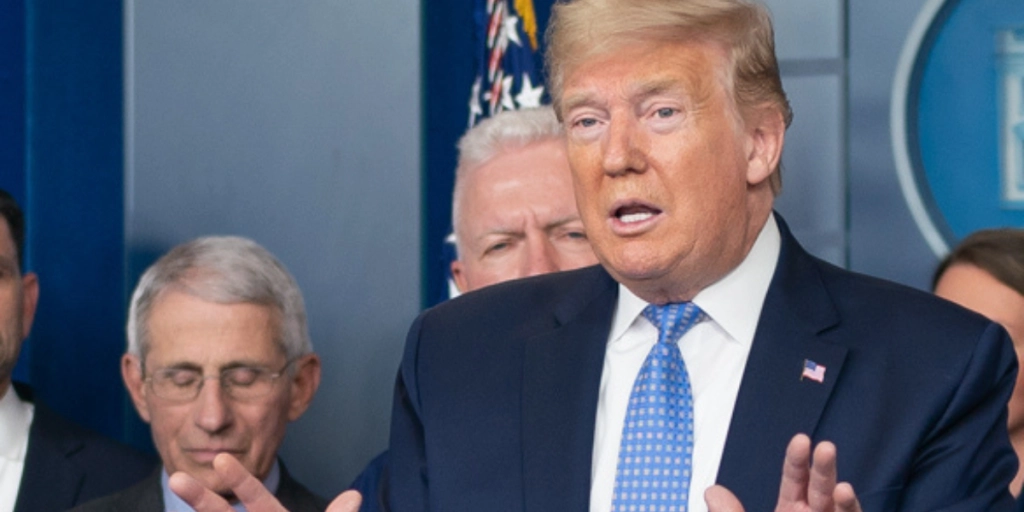
New Reuters analysis uncovers striking pattern in Trump’s legal battles over free speech.
Donald Trump returned to the White House promising to restore free speech and end what he described as years of government censorship. A growing body of federal court rulings now paints a sharply different picture.
According to a Reuters review, federal judges have ruled 75 times that actions taken by the Trump administration violated the First Amendment of the U.S. Constitution, which protects freedom of speech, religion and the press.
Judges repeatedly rule against the administration
The decisions cover a wide range of disputes, including the treatment of pro-Palestinian students and academics, funding cuts targeting universities, actions against law firms, and the handling of protests.
In one of the rulings, U.S. District Judge William Young wrote:


“The president’s apparent misunderstanding that the government simply cannot pursue retaliation for speech it disapproves of poses a serious threat to free speech in America.”
Young concluded that the administration had unlawfully arrested, deported and denied visas to students and academics because of their support for the Palestinian cause.
The administration has consistently challenged the rulings, arguing that judges have exceeded their authority.
White House spokesperson Abigail Jackson criticized the courts, saying:
“The federal judiciary has repeatedly endangered and thwarted the will of the American people through its unlawful decisions.”
Reuters found that 93 First Amendment-related cases have reached federal judges during Trump’s second term, with the administration losing 75 of them at the lower court level.
By comparison, Reuters identified 27 similar cases during Joe Biden’s presidency, with judges ruling against that administration in 13 instances.
The Trump administration appealed roughly two-thirds of the cases it initially lost and secured victories or temporary relief in 15 of them.
Among the most significant appellate wins were cases involving pro-Palestinian activists Mahmoud Khalil and Mohsen Mahdawi, where appeals courts determined the original courts lacked jurisdiction rather than ruling on the constitutional issues themselves.
Another successful appeal overturned a lower court decision that had blocked the administration from limiting collective bargaining rights for thousands of federal employees.
Critics question free speech pledge
Trump began his second term by signing an executive order titled “Restoring Freedom of Speech and Ending Federal Censorship,” declaring that no federal agency or employee should unconstitutionally restrict Americans’ speech.
Critics argue that subsequent executive orders targeting diversity, equity and inclusion initiatives, gender-related policies, universities and political opponents directly contradicted that promise and fueled many of the First Amendment lawsuits now moving through the courts.
William & Mary law professor Timothy Zick told Reuters that no modern U.S. president has challenged First Amendment protections on such a broad scale since the First Red Scare during Woodrow Wilson’s administration.
Another notable ruling came from U.S. District Judge Beryl Howell, who wrote that using government authority to settle personal scores against disliked individuals or organizations “does not constitute a legitimate use of the powers of the U.S. government or an American president.”



