
 Nicolai Haugsted
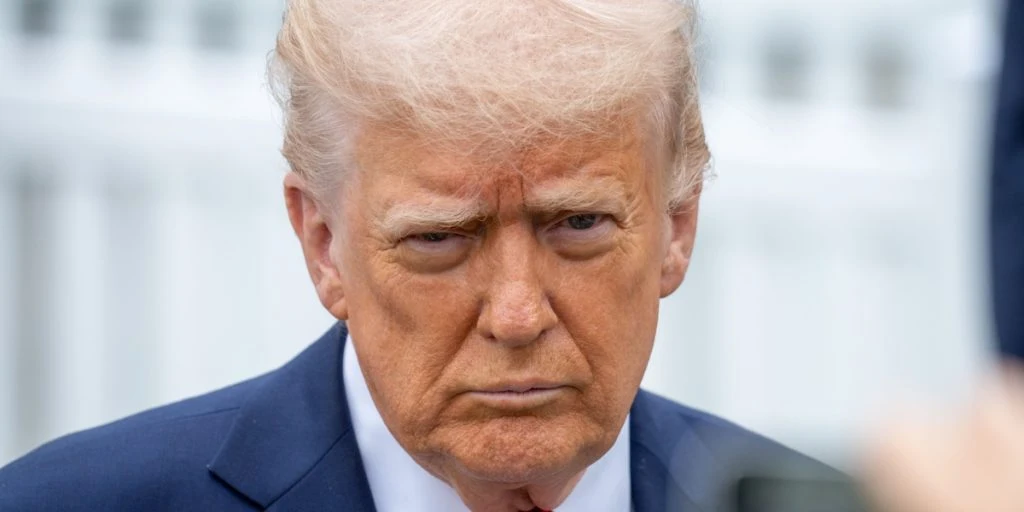
Trump hit with another embarrassing defeat as GOP voters reject his pick.


Donald Trump has spent years presenting his endorsement as one of the most valuable commodities in Republican politics. Several high-profile primary contests are now complicating that argument just as the party enters the final stretch before the midterm elections.
Mike Lindell became the latest Trump-backed candidate to fall short Tuesday, losing the Republican gubernatorial primary in Minnesota despite his longstanding relationship with the president.
Results showed the MyPillow founder receiving 32 percent of the vote against Minnesota House Speaker Lisa Demuth’s 43 percent.
Lindell’s defeat does not stand alone. Candidates favored by Trump have recently stumbled in several gubernatorial contests, while other Republican races have produced results that fell short of the president’s preferred outcome.


Governor races prove difficult
Georgia provided one of the clearest examples earlier this summer.
Trump backed Lieutenant Governor Burt Jones in the race to succeed Republican Governor Brian Kemp. Jones reached the runoff but subsequently lost his June contest against billionaire businessman Rick Jackson.
Iowa brought another setback.
Representative Randy Feenstra received Trump’s backing shortly before the June 2 gubernatorial primary but lost to businessman Zach Lahn. Trump later said his advisers had failed to provide him with “proper information” before the endorsement and emphasized that Lahn was also strongly supportive of him.
South Carolina produced a more complicated result. Trump initially endorsed Lieutenant Governor Pam Evette, who advanced to a runoff without reaching the 50 percent threshold required for an outright victory.
Rather than sticking exclusively with Evette in the second round, Trump endorsed both her and Attorney General Alan Wilson. Wilson ultimately won, defeating the candidate Trump had originally selected.
White House rejects questions over Trump’s influence
Trump’s broader endorsement record remains considerably stronger than the string of gubernatorial defeats suggests, particularly because he has backed candidates across a wide range of races.
The White House strongly rejected the suggestion that recent losses point to declining influence among Republican voters.
“President Trump’s endorsement is the most powerful endorsement in the history of American politics,” White House spokeswoman Allison Schuster said. “Anyone claiming otherwise is a complete and utter fool.”
According to Schuster, Trump-backed candidates have won 233 of 238 races, giving the president a claimed success rate of 98 percent.
Such a figure includes contests well beyond the closely watched gubernatorial primaries where Trump’s preferred candidates have encountered greater resistance.
More trouble beyond governor races
Tuesday also delivered a less decisive result for Senator Darline Graham, another candidate supported by Trump.
Graham is seeking a full six-year Senate term following the sudden death of her brother, Senator Lindsey Graham. Trump signaled his support before she formally announced her campaign.
His endorsement was not enough to push her above 50 percent in the special-election primary, however, sending Graham into a late-August runoff against Representative Ralph Norman.
Recent House primaries have produced further disappointments for Trump-backed Republicans.
Representative Andy Ogles, whom Trump had praised as a “MAGA warrior,” lost his Tennessee primary last week. Republican Amir Hassan also failed in Michigan despite appearing alongside Trump at an event and seeing his primary opponent withdraw before Election Day.
Republican candidates still regularly seek appearances with Trump and highlight his support during primary campaigns. General-election calculations could look different once nominees begin competing for voters outside the Republican base.
Fresh polling provides another reason for candidates to consider that balance carefully.
An Economist/YouGov survey released this week put Trump’s job approval at 33 percent, down three percentage points from the previous week and his lowest result in that tracker since returning to the White House.
Less than three months remain before the midterm elections, leaving Republicans with a president who remains enormously influential inside the party but whose endorsement has recently failed to deliver several of his chosen candidates across the finish line.



