
 Nicolai Haugsted
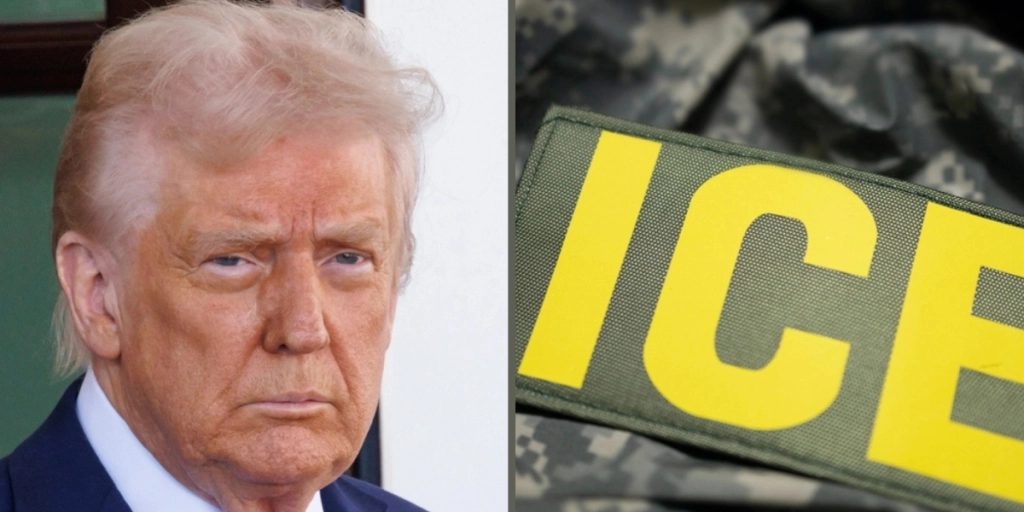
ICE prepares controversial new upgrade as agents could get electric shock gloves.


Donald Trump’s immigration crackdown could soon equip federal agents with a new tool capable of delivering an electric shock during encounters with members of the public.
According to Reuters, U.S. Immigration and Customs Enforcement is preparing to spend as much as $20 million on specialized gloves designed to temporarily interfere with a person’s ability to respond, according to a Department of Homeland Security procurement notice.
Plans for the equipment are already drawing criticism from civil liberties advocates, adding another dispute over the methods used by ICE as the administration presses ahead with its immigration enforcement campaign.
Electric shock delivered through a glove
ICE intends to purchase devices known as CTG-5 Generated Low Output Voltage Emitter units, according to the DHS notice.


Federal officials describe the equipment as a “Conductive Distraction and De-escalation Device.” Homeland Security Investigations and Enforcement and Removal Operations personnel would receive the gloves for use in the field.
Rather than relying on a conventional handheld device, the technology allows an officer wearing the equipment to deliver an electrical charge through the glove.
DHS says ICE personnel receive training in de-escalation and undergo continuing instruction governing the use of force.
“Every decision is made with careful consideration and appropriately reviewed to ensure that any technology ICE utilizes is consistent with all applicable law enforcement policies and standards,” a DHS spokesperson said.
Civil liberties group raises alarm
News of the proposed purchase has prompted an immediate warning from the American Civil Liberties Union.
Concerns focus partly on the discreet nature of the equipment and the potential difficulty of determining when electrical force has been used during an encounter.
The ACLU described providing immigration agents with “a concealed means of delivering terrible pain” as “a recipe for more harm to the public and less accountability.”
Such criticism arrives against a considerably broader argument over ICE’s conduct during Trump’s second term.
Fatal shootings involving ICE agents and two U.S. citizens in Minnesota earlier this year contributed to nationwide protests, while rights organizations have also raised concerns about conditions inside immigration detention facilities.
More than 50 people have died in ICE custody across the United States since Trump returned to office in January 2025, according to figures from the immigration agency itself.
Trump has defended the wider immigration operation as necessary to strengthen domestic security.
Civil liberties organizations have offered a sharply different assessment, accusing the administration of undermining due process and free-speech protections during its enforcement campaign. Minority communities have also raised concerns about racial profiling.
Against that backdrop, a potential $20 million investment in electric shock gloves is likely to bring further attention to how ICE officers are equipped and how force is used during immigration operations.



