
 Jens Asbjørn Bøgen
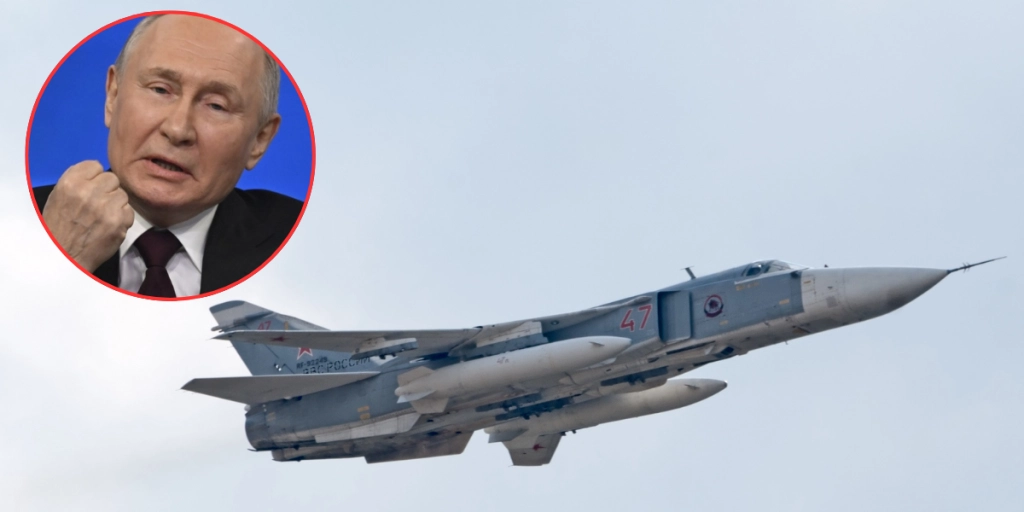
The Ukrainian campaign targeting the Russian oil and gas infrastructure is taking its toll on Russia.


During 2026, Ukraine has conducted a campaign targeting Russian oil refineries deep in Russian territory.
As a result, Russian domestic fuel production has been severely disrupted with several regions imposing restrictions on fuel usage for the populace.
To prevent a shortage, Moscow has started importing Jet A-1 aviation fuel from South Korea and Egypt.
Ukraine’s Defense Intelligence reported the change on August 29, revealing that Russian officials also banned domestic fuel exports to preserve local stocks.


“To meet the needs of combat and civilian aviation, Russia, which for decades positioned itself as an energy superpower, has officially introduced a temporary ban on exports of its own aviation fuel and is forced to seek ways to import foreign Jet A-1 aviation fuel,” Ukrainian intelligence said.
Click to display external content from t.co,
- You can always enable and disable third-party content.

You agree to display external third-party content. Personal data may be sent to the provider of the content and other third-party services.
Shadow fleet deliveries
The imported Jet A-1 fuel closely matches Russian standard aviation fuel. This compatibility allows Moscow to feed fighters like the Su-34 and Su-57, Tu-95MS strategic bombers, and new jet-powered attack drones.
Three tankers linked to Russia’s shadow fleet delivered roughly 70,000 metric tons of fuel to ports in St. Petersburg and Vladivostok. These shipments were arranged for the Independent Oil and Gas Company, which fuels Russian security forces through contractor TZK-AERO.
The supply chain relies on international trading networks. Firms based in the United Arab Emirates helped move the fuel from Egyptian refineries and South Korean suppliers to Russian ports.
Bending the rules
Beyond buying foreign fuel, officials in Moscow are working to stretch domestic production limits.
Earlier this month, United24 Media reported that Russia’s Transport Ministry has proposed lowering quality standards for aviation fuel. The draft plan raises the maximum allowed freezing point from minus 60 degrees Celsius to minus 50 degrees.
That change would allow local refineries to produce higher volumes of fuel. Still, desperate supply maneuvers show how deeply recent refinery strikes have cut into Russia’s energy reserves.



