
 Anna Hartz
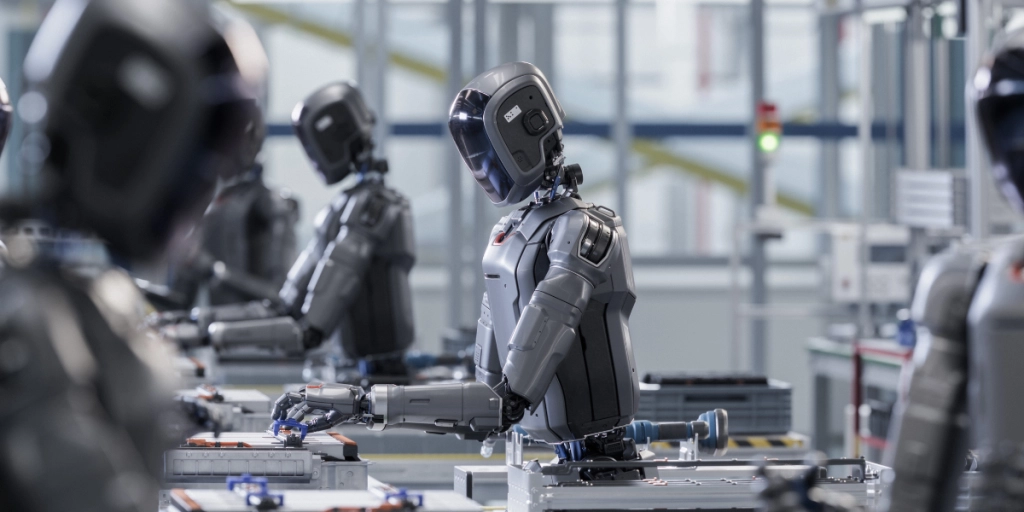
Military researchers are studying humanoid robots and how they might be used in future conflicts.

Robots are becoming more common in factories, warehouses and even public demonstrations. But China is now looking at what these machines could do in much more dangerous environments.
Robots cooperating with soldiers?
The Chinese military has started testing humanoid robots against battlefield requirements, reports Ziare. Researchers are also examining how the machines could work alongside soldiers. So far, however, humanoid robots have not been deployed in Chinese combat units. The technology remains in development and testing.
A Reuters review of more than 100 Chinese documents found growing military interest in humanoid robots during 2025 and 2026. The documents included military contracts, scientific research, patents and government material.
Researchers are looking at how robots can understand their surroundings, move objects and collect information that can be used to train artificial intelligence systems.


China’s interest comes as the country builds a large commercial humanoid robot industry. At the World Humanoid Robot Games, robots competed in events such as running, boxing and dancing. Some machines reached impressive speeds, although many also fell during the competition.
Just two days after the event, the People’s Liberation Army’s official newspaper called for faster development of robotic technology for military use. It also mentioned the possible creation of robotic fighters.
Chinese companies have become major players in the global humanoid robot market. BofA Global Research estimates that Chinese manufacturers accounted for about 95 percent of global humanoid robot shipments in 2025.
A long way to go
The war in Ukraine is also being closely watched by Chinese military researchers. Drones and other unmanned systems have become an important part of modern warfare. Humanoid robots could eventually be sent into areas where putting soldiers at risk would be too dangerous.
There are still major problems. Current robots require large amounts of energy and can struggle outside controlled environments. Real battlefields are unpredictable, and robots may have difficulty dealing with situations they were not designed for.
Chinese researchers have already studied possible uses in urban fighting. One scenario involves robots moving through buildings with infantry and checking rooms.
Other Chinese military material has shown simulated attacks involving humanoid robots and robotic dogs. These are only simulations and do not show that the technology is ready for real combat.
For now, humanoid robots remain a research project for China’s military. There is still a significant gap between what these machines can do in demonstrations and what they would need to do on a real battlefield.



