Lauge Risom Koch

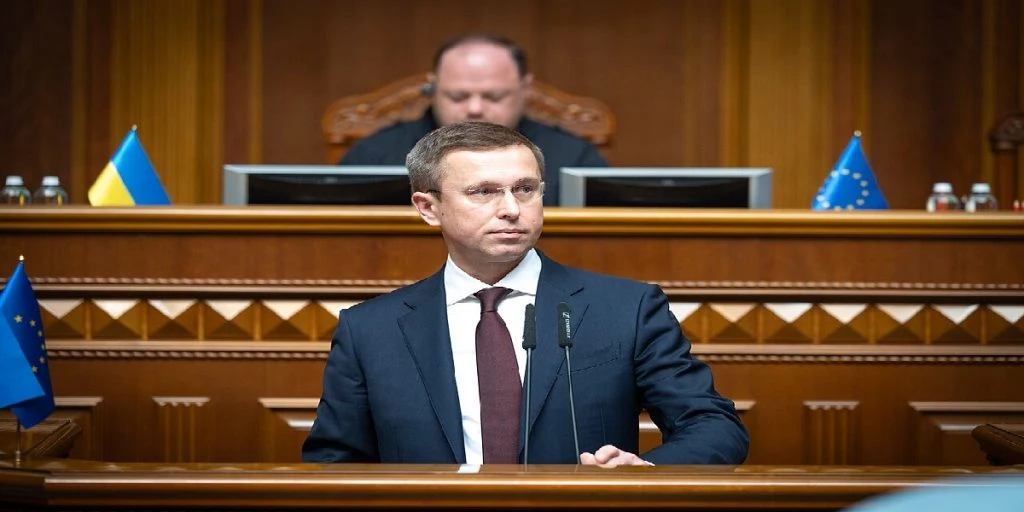
The Ukrainian government is developing a new mobilization framework with businesses to replace street conscription with predictable military enlistment.

Ukrainian Prime Minister Serhii Koretskyi announced plans to develop a new military mobilization arrangement with local businesses. According to the Kyiv Post, this proposed system aims to provide predictable enlistment and eliminate the practice of recruiting eligible men directly from the streets. The government intends to implement this cooperative framework by the beginning of December.
Under this proposed mechanism, participating companies could qualify for full workforce deferments if they help employees volunteer for military service. The prime minister explained that the government must carefully balance military enlistment needs with the functioning of the national economy. Koretskyi stated, “If such a solution could be found, there would be no need to look for people on the streets.”
The defense and economy ministries are collaborating with business leaders to finalize the terms of this arrangement. The government has not yet specified exact military service periods or the specific proportion of employees that companies must recruit. Officials hope this new system will provide serving troops with confidence that adequate troop rotations will soon become possible.
Escalation preparation and accountability
During the economic forum, Koretskyi warned that Russia might mobilize up to half a million additional troops in the near future. He argued that Ukraine must proactively prepare for this scenario to avoid making emergency decisions later. The prime minister noted that implementing tougher accountability measures for citizens evading military service remains on the government agenda.


The government is initiating a broader overhaul of current deferment policies to eliminate questionable corporate arrangements. Officials plan to assess actual corporate contributions to defense rather than relying solely on salary levels and tax compliance. Koretskyi indicated that unconditional workforce deferments should end entirely, though critical companies can submit requests for necessary operational protection.
The prime minister emphasized that these mobilization changes will not immediately resolve the national recruitment challenges on their own. One immediate government objective is halting the continued growth of military deferments obtained through dubious corporate entities. The government wants to ensure that newly recruited soldiers know exactly where they will serve while retaining their civilian salaries.
Defense industry concerns and force targets
Domestic defense manufacturers have expressed serious concerns regarding the planned reduction of corporate military deferments. Industry representatives warn that losing even a small number of specialist engineers or welders could disrupt vital weapons production. They argue that replacing these highly specialized workers requires months of extensive training that the defense sector cannot afford.
Defense companies have requested that the government conduct targeted inspections of suspected abuse rather than implementing broad deferment reductions. These domestic manufacturers insist the government must preserve the skilled workers necessary to fulfill existing military production contracts. This industrial debate occurs as the government attempts to maintain a massive military force to guarantee national security.
President Volodymyr Zelensky recently stated that Ukraine requires a large, sustainably funded military to serve as a central security guarantee. The president expressed a desire to maintain a military force of 800,000 personnel if sufficient international financing becomes available. Zelensky rejected externally imposed limits on the armed forces while emphasizing the need for long-term security guarantees from allied partners.