
 Jens Asbjørn Bøgen

Trump is telling voters the Iran war is nearly over. His own team isn’t so sure.
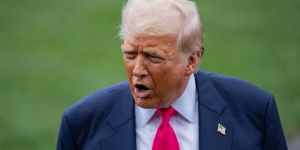

At the Republican midterm convention in Dallas on September 9, 2026, President Trump pledged that the seven-month war with Iran would end “immediately” after November’s midterm elections, insisting Tehran cannot hold out much longer.
Inside the White House his own advisers describe the risk of a far longer conflict.
In Oval Office and Situation Room meetings, Vice President JD Vance and Secretary of State Marco Rubio have told Trump the war could stretch through the remainder of his second term, past the January 2029 inauguration, according to a Wall Street Journal report.
Eighteen US service members have been killed since the fighting began with more than 750 wounded, CNN reported on August 20.


The Pentagon is planning for 2027
The military calendar backs the private assessment, not the public promise.
Defense Secretary Pete Hegseth has extended troop rotations across the Middle East into 2027, keeping roughly 50,000 US personnel and 19 warships in the region.
Elements of the Army’s 82nd Airborne Division could stay well into next year.
Hegseth had promised a “quick, decisive blow” when the campaign began. The Pentagon has since notified military families of the longer timeline, which the department framed as a way to preserve flexibility for the president on next steps.
The pressure campaign pairs a naval blockade of Iranian ports with a global sanctions package the Treasury Department calls “Operation Economic Outcast.”
A September 3 assessment from The Soufan Center found the sanctions have caused severe civilian hardship, sending Iran’s currency to 2.2 million per dollar and pushing official inflation past 80 percent, but have not shifted Tehran’s core positions.
Vance: No end date
Vance has publicly declined to name a stopping point, arguing it would be irresponsible to broadcast a timeline to a government that keeps firing on commercial vessels.
Analysts covering the war are equally cautious. Speaking to Raw Story, Ali Vaez of the International Crisis Group, a Brussels-based conflict-research organization, described the standoff as a grinding stalemate in which “everyone pays” but neither government has yet paid a high enough price to accept the other side’s terms.
Americans vote on November 3, 2026.



