
 Kenneth Glad
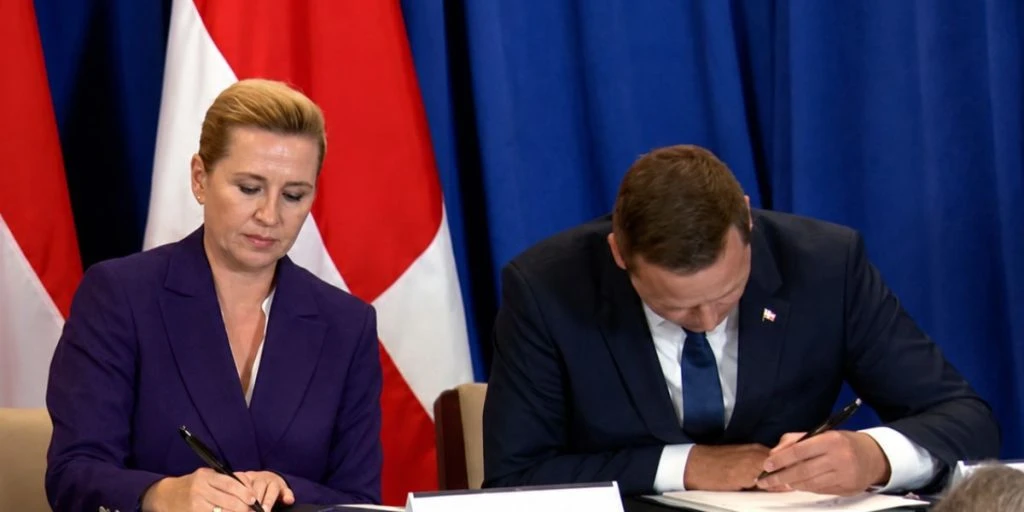
A tense diplomatic standoff has finally reached a peaceful conclusion on the global stage. After months of high-stakes negotiations and widespread anxiety over territorial ambitions in the Arctic, key leaders gathered in New York to officially sign a landmark pact.
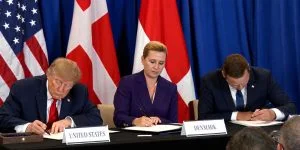
Danish Prime Minister Mette Frederiksen and Greenlandic Premier Jens-Frederik Nielsen showed visible relief following the signing ceremony. Tensions had mounted for months over American interest in the Arctic territory, but the newly concluded agreement firmly protects regional sovereignty while expanding defense cooperation under the NATO framework.
“This agreement strengthens our shared defense in the Arctic, and it is deeply rooted in NATO,” Frederiksen told reporters. She added that the pact explicitly reaffirms the territorial integrity and sovereignty of the Kingdom of Denmark, alongside the Greenlandic people’s right to self-determination, writes DR.
The deal updates the historical 1951 defense agreement between the nations, introducing modern defense provisions without surrendering local control. Among the new terms, American submarines will now be permitted to navigate underwater within territorial waters, and two new military bases are slated for development at Narsarsuaq and Mestervig.
Standing firm together
Throughout the turbulent negotiation process, Greenlandic officials insisted that their political red lines remained non-negotiable. Premier Nielsen emphasized that leaders never buckled under pressure from Washington, ensuring that local governance and security screening laws remain firmly intact.


“Now we stand with an agreement that I can say I am happy with, and my red lines have not been broken,” he said. Speaking to the public back home in his native language, he added that citizens in Greenland could finally “lower their shoulders” after an uncertain period.
International allies quickly rallied to praise the diplomatic breakthrough. NATO Secretary General Mark Rutte called the signing “fantastic,” noting that enhanced Arctic security is vital for both Europe and North America. German Chancellor Friedrich Merz also commended the deal for providing a mutually acceptable solution in full accordance with international law.
The agreement carries no expiration date, remaining bound to NATO membership rules. Should Greenland ever choose full independence, the treaty mandates that any new sovereign state must remain within the Atlantic alliance.
Danish reporters asked President Trump after the signing whether it meant he now had given up on taking over Greenland, but he left the press conference without a comment.
Source: DR



