
 Kenneth Glad
Scrolling through your feed, it is hard to tell what is real anymore. A fake video or a twisted news story can quietly change how you see the world. Now, one government is stepping in to clean up the timeline.

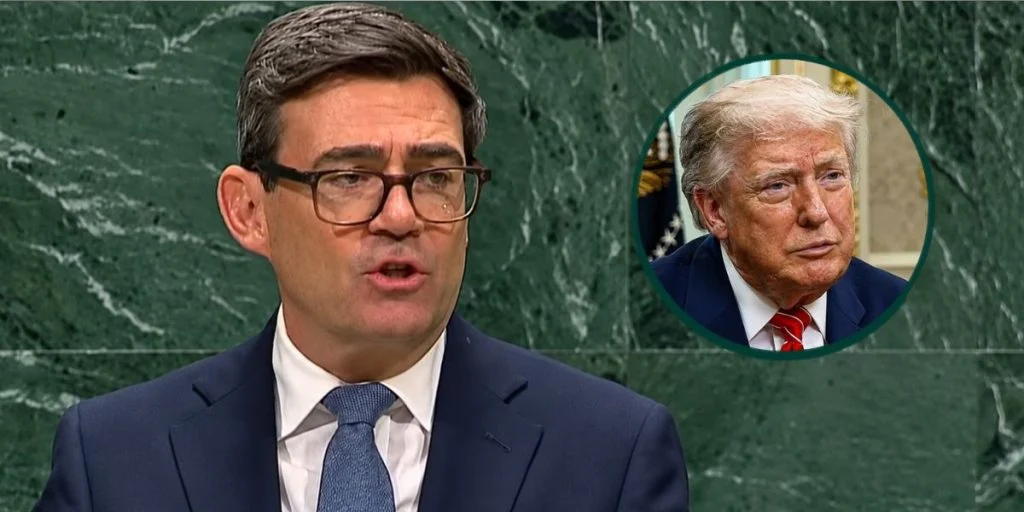
Britain is launching a new agency to fight back against foreign fake news. Speaking at the United Nations on Tuesday, Prime Minister Andy Burnham revealed plans for the National Centre for Information Defence, writes The Guardian.
The goal is simple. Security chiefs, police, and tech platforms will team up to shut down digital lies.
A poisonous tide
Burnham warned that hostile states use artificial intelligence to pump out deepfakes and spread panic. He pointed a finger directly at Russia. According to the prime minister, Moscow spends roughly 1.3 billion pounds a year manipulating global opinions.
Britain has a duty to “stem the poisonous tide” of these digital attacks, he explained. He described the threat as an “insidious campaign that reaches into people’s homes and twists what they feel about their own country and community”.


The digital battlefield targets those who are already struggling. Burnham noted that citizens dealing with high prices are especially at risk of online manipulation.
The Guardian reports that Russian agents have previously forged the logos of the BBC to push extreme stories. These hostile actors often exploit tragedies.
“We also know that they have tried to stoke tensions and unrest in the wake of horrific events,” Burnham told the UN.
Pushback from Trump
The announcement arrived with a side of political drama. During a press conference with Ukrainian President Volodymyr Zelenskyy, Donald Trump weighed in on the issue. The US president claimed previous UK rhetoric had been “too tough” on Moscow. He warned that London “needs to be a little bit careful”.
Downing Street quickly rejected the advice. A spokesperson stated that Russian aggression will not stop the UK from helping Ukraine. Britain does not want to fight this battle alone. The new centre plans to share its tactics with other European nations facing similar threats.
Emily Thornberry, chair of the foreign affairs select committee, praised the move. She told the newspaper that previous administrations had been too disorganized to handle the crisis.
As Burnham promised the UN, the UK will face the next decade with its “eyes wide open”.
Source: The Guardian



