Jens Asbjørn Bøgen
According to reports, workers are rushing to fortify highway and railway bridges to protect the supply lines for the Russian forces.


Russian authorities are allegedly scrambling to reinforce key road and railway bridges across southern supply corridors.
Instructions came directly from the headquarters of Russia’s Southern Military District, according to information released by the ATESH partisan movement on October 6.
They must strengthen critical transit nodes and prepare clear detour routes if primary crossings take heavy damage.
Why now?
While ATESH’s claims remain unverified, the described activity reflects growing anxiety over Ukraine’s expanding arsenal.


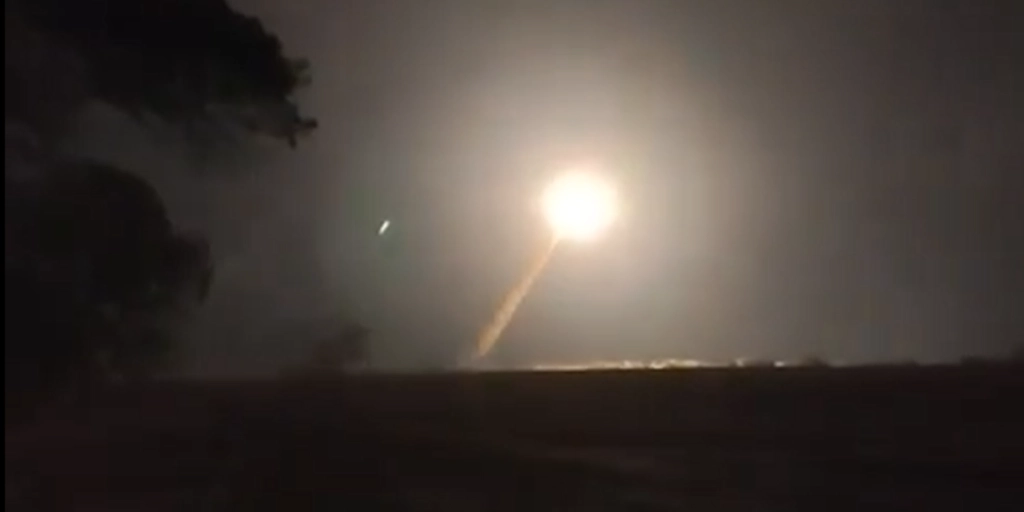
With Kyiv marking its first operational deployment of the domestically developed FP-7 tactical ballistic missile, Russian commanders know their rear supply lines are squarely in the crosshairs.
Major reinforcement efforts are already taking place in the Rostov region. Workers are fortifying highway and rail bridges over the Don River, with extra safety measures appearing along the Taganrog transit route.
Planners are equally nervous about other key regions. Expectations of renewed Ukrainian strikes have put bridge guards on alert near Syvash and Armyansk along the route to occupied Crimea, as well as near Shelayevo and Urazovo inside the Belgorod region.
Arteries under threat
To defend these points, Russian commanders are deploying 24-hour security posts staffed by the National Guard and military commandant units.
Crews are wrapping bridges in anti-drone netting, activating electronic warfare jammers, and stationing specialized repair teams nearby.
Engineers are also preparing temporary pontoon bridges as backup options. Military planners recognize that losing even one relatively small bridge can force military convoys onto narrow detours, severely stalling the flow of supplies.
ATESH explained the strategic stakes behind Moscow’s sudden push to protect its transport network.
“Bridges remain the main supply arteries of the Russian army. Damaging them blocks the delivery of fuel, ammunition, and personnel,” the group stated.
Zelenskyy confirmes first use
Last week the Ukrainian President, Volodomyr Zelenskyy, confirmed the first use of a domestically produced ballistic missile in a strike on Russia.
He declined to reveal the time, target and location of the launch, but he did share a short video clip of what appears to be the launch of a missile.
Click to display external content from t.co,
- You can always enable and disable third-party content.