
 Asger Risom

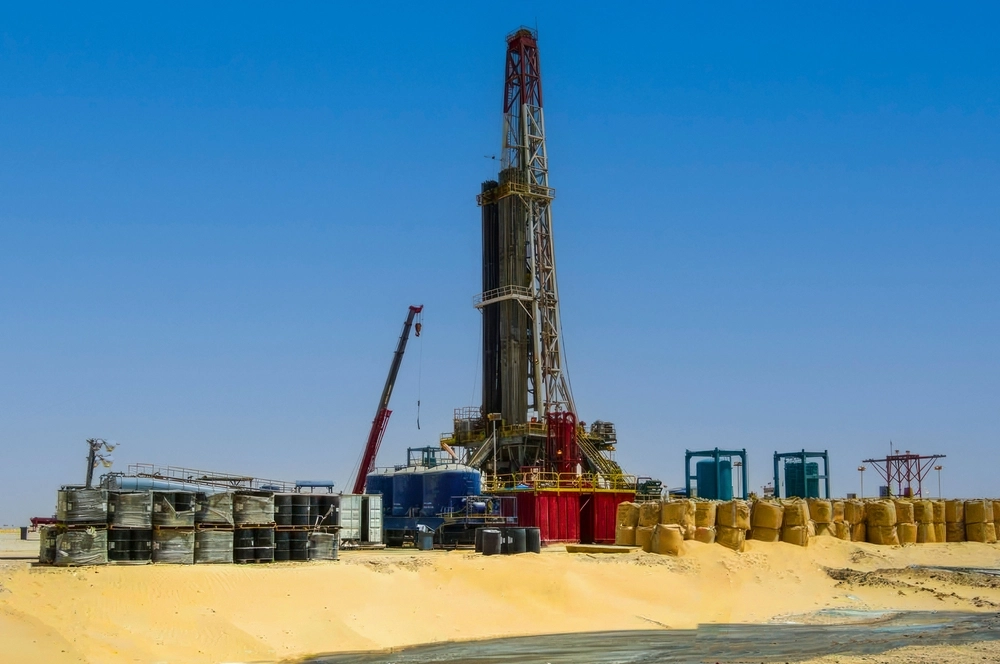
Fracking spent decades as the ultimate environmental villain. Now, clean energy startups are using those exact same drilling rigs to tap into blazing-hot rock miles beneath our feet, unlocking an endless supply of clean electricity anywhere on the planet.


For decades, hydraulic fracturing was the primary villain of the modern environmental movement. The technology unlocked oceans of domestic crude and fossil gas across North America, but it also became synonymous with industrial blight, wastewater contamination, and flaring smokestacks.
Now, in an ironic twist of engineering fate, that exact same heavy machinery is driving one of the biggest breakthroughs in clean energy.
A new generation of geothermal startups is buying up surplus oil rigs, hiring veteran petroleum crews, and pointing directional drill heads straight into hot subterranean rock. By borrowing the techniques that built the shale boom, engineers are solving the single biggest flaw in traditional geothermal power: the fact that nature almost never puts heat, water, and porous rock in the same zip code.
The natural lottery of old geothermal
Underneath our feet, the Earth’s core is as hot as the surface of the sun. In theory, that makes geothermal energy the ultimate clean resource—it is carbon-free, virtually inexhaustible, and runs 24 hours a day regardless of whether the wind is blowing or the sun is shining.


In practice, geothermal has historically been an economic footnote. Until recently, building a conventional geothermal plant required winning a rare geological lottery. You needed three specific ingredients at the same shallow location: blistering heat, a deep reservoir of underground water, and permeable, porous rock that naturally lets that water circulate.
If any one of those three variables was missing, the well was useless. That is why conventional geothermal plants have remained geographically trapped in rare volcanic hotspots like Iceland, New Zealand, or the geysers of northern California. If you did not live near an active tectonic plate margin, you were out of luck.
Stealing the shale playbook
The breakthrough behind Enhanced Geothermal Systems (EGS) starts with a simple realization: heat is everywhere if you drill deep enough. The missing ingredients are almost always the fluid and the permeable pathways.
Rather than wandering the desert hunting for rare natural hot springs, drilling engineers decided to manufacture their own.
To do it, they leaned entirely on the horizontal drilling techniques perfected in the oilfields of Texas and North Dakota. A standard oil-field rig bores straight down two to three miles through the Earth’s crust until it reaches dense, impermeable granite baking at temperatures north of 200°C. Then, using specialized steerable drill motors and fiber-optic sensors, the crew gradually bends the wellbore 90 degrees, drilling horizontally through the hot rock bed for thousands of feet.
Next, they drill a second horizontal well parallel to the first, just a few hundred feet above it.
Once the twin wells are in place, crews adapt the oil sector’s hydraulic stimulation methods. Instead of pumping toxic chemical slurries to release trapped hydrocarbons, they inject high-pressure water to gently open up microscopic fractures in the tight crystalline granite between the two wells. They are not blasting the rock apart; they are turning an impermeable slab of baking granite into an interconnected, highly permeable subsurface radiator.
Circulating the radiator
Once the artificial reservoir is established, the operation runs as a closed loop.
Crews pump cool water down the injection well. As the liquid is forced through the maze of micro-fractures, it absorbs immense heat directly from the surrounding rock. By the time it collects in the second wellbore, the water is superheated past 200°C.
That pressurized fluid rushes up to the surface and enters a binary cycle power plant. Because the system is sealed, the superheated subterranean brine never touches open air; it simply passes through a heat exchanger to flash-boil a secondary working fluid with a low boiling point, spinning a turbine to generate electricity before being pumped straight back underground to repeat the cycle.
The entire process consumes virtually no water after initial filling, emits zero greenhouse gases, and takes up a tiny fraction of the surface acreage required by a commercial wind or solar farm.
The rush for clean baseload
This transition from fringe science to commercial power is moving fast. Startups like Fervo Energy—founded by former petroleum drilling engineers—are proving that applying oilfield supply chains directly cuts drilling times and capital costs.
The real driver behind the technology’s sudden surge is the desperate hunt for round-the-clock clean power. As power-hungry artificial intelligence data centers, semiconductor fabs, and electrified manufacturing plants place unprecedented strain on regional grids, intermittent renewables like solar panels and wind turbines are hitting physical limits. Batteries can buffer short fluctuations, but they cannot keep a multi-gigawatt industrial facility running through weeks of cloudy, calm weather.
By turning the mechanical tools of the fossil fuel boom against their original purpose, engineers are finally untethering geothermal energy from rare volcanic terrain. The rigs that spent decades digging for oil are now building an endless, reliable clean power plant right under our feet.



