Asger Risom

With fake identities and dozens of SIM cards, they turned late-train payouts into a personal income stream.


With fake identities and dozens of SIM cards, they turned late-train payouts into a personal income stream.
A loophole turned into profit

Police in Leeds uncovered a fraud that abused Britain’s “Delay Repay” scheme for train-delay compensation.
The scheme in action
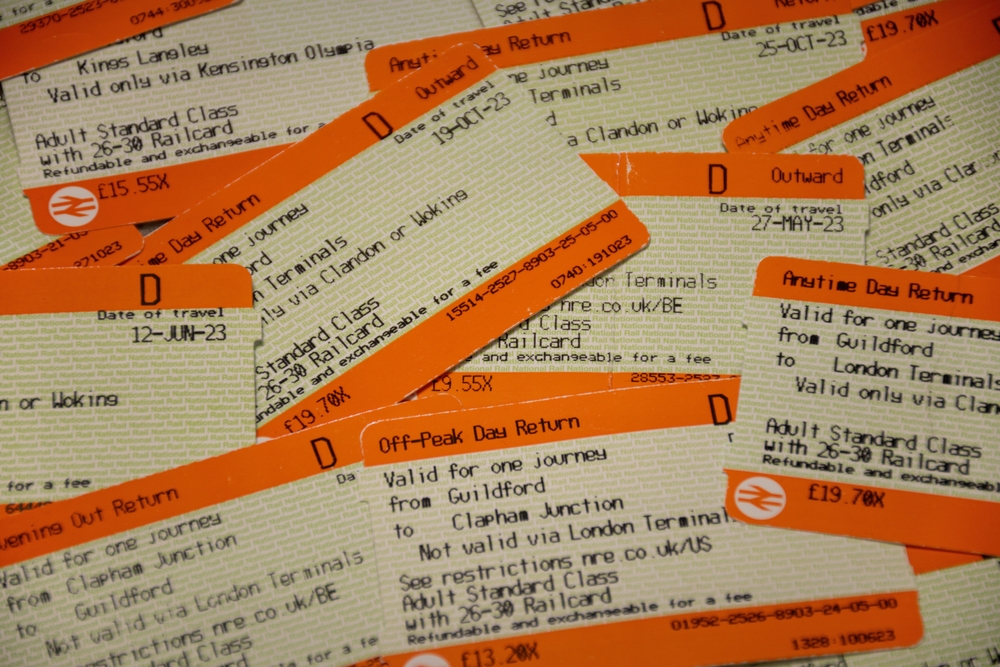
Li Liu (26) and Wanqing Yu (25), both Chinese students, discovered they could claim refunds and compensation for the same tickets.
How they did it
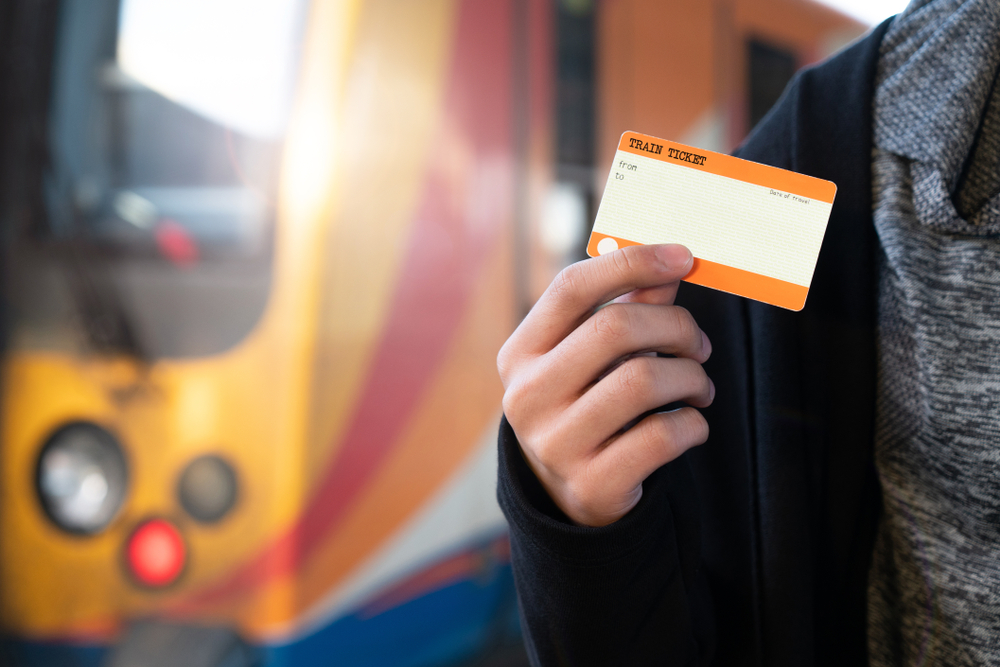
They bought tickets, requested early refunds, then claimed “delay” payments for the same journeys when trains arrived late.


Exploiting weak checks

Because the system didn’t cross-reference refunds with delay claims, both payments went through unnoticed.
Building false identities

To mask activity, they opened several bank accounts and created sixteen fake names tied to the same devices.
One phone, many numbers

A single handset fitted with an adapter held twenty SIM cards, making it appear that dozens of passengers were filing claims.
Two years undetected
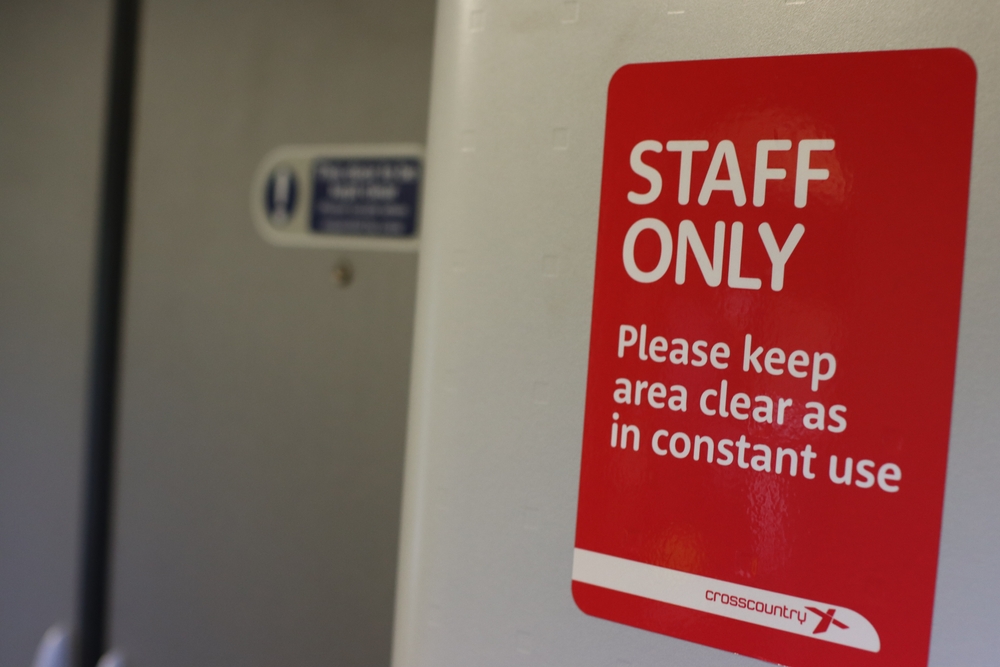
The scam ran for nearly two years before CrossCountry Trains noticed repeating patterns in the compensation requests.
The total haul

Investigators say the pair collected more than €160,000 across multiple train operators.
The verdict
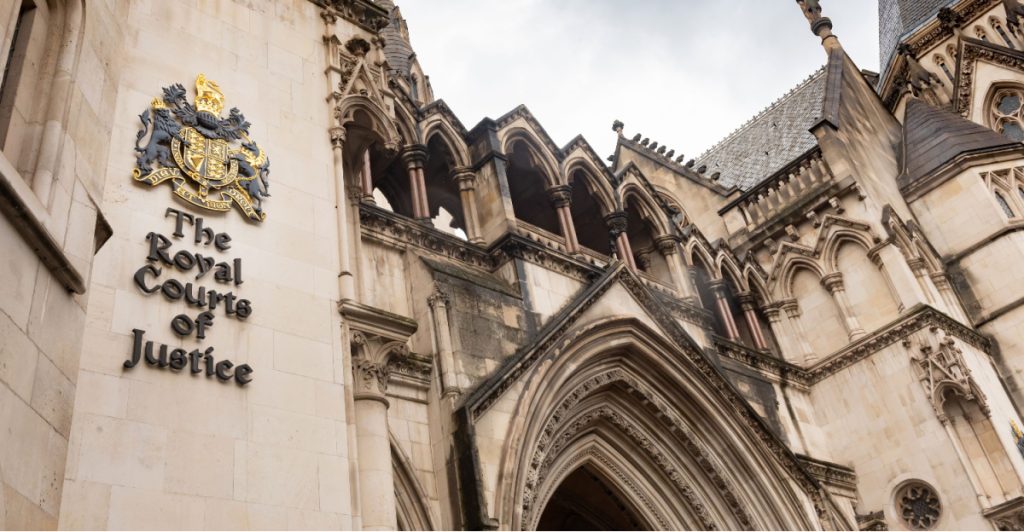
A UK court sentenced Liu to 30 months in prison and Yu to 17 weeks for fraud and money laundering.
Industry fallout

The case exposed serious flaws in “Delay Repay,” prompting rail firms to tighten verification and data-sharing.
A lesson in loopholes

Two students found the cracks in an automated system — and rode them all the way to jail.