
 Jens Asbjørn Bøgen

It’s not just the West that doubts what the Kremlin is saying.
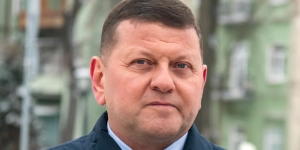

Kremlin spokesperson Dmitry Peskov told Russian state television on 30 November that Ukraine’s “battlefield and internal problems worsen every day.”
According to the Institute for the Study of War (ISW), he also accused Kyiv of delaying peace talks, despite Ukrainian negotiators having engaged with US officials on the terms of a Washington-backed proposal since mid-November.
Peskov’s remarks form part of what analysts describe as a broader information strategy, one that seeks to frame Russia’s success as inevitable and to pressure Ukraine and its allies to concede before conditions allegedly deteriorate further.
But even Russian milbloggers are exposing how the Kremlin’s narrative does not match reality on the battlefield


Pushback inside Russia
ISW reports in it’s Nov 30-update on the war, that a prominent Russian milblogger acknowledged that Russian troops hold certain tactical advantages, including near Hulyaipole, but criticised state media portrayals as “joyfully idiotic, rosy, self-indulgent nonsense,” according to the think tank.
The blogger warned that such narratives give the public the false impression that support for the campaign is no longer urgent, even as Ukraine fights “a competent adversary” equipped with Western intelligence and weapons.
That commentary also pointed to persistent resource strain, noting discontent with new fees and rising taxes slated for 2026.
According to the ISW, the blogger argued that Moscow still faces manpower shortages and that volunteer recruitment has not produced enough personnel to relieve troops mobilised in 2022.
Tactical limits
Imprisoned ultranationalist Igor Girkin struck a similar tone in a 26 November letter.
According the ISW, he wrote that any future gains around Hulyaipole or Orikhiv would only matter if Russia had sufficient reserves to exploit breakthroughs.
He observed that the months-long offensive on Kupyansk failed to achieve a “big victory,” and said potential objectives such as Pokrovsk, Vovchansk, Siversk and Lyman remained limited in scope.
Girkin suggested Russia could press for tactical progress but lacked the capacity for major strategic goals, including the seizure of Dnipro, Zaporizhzhia and Kharkiv.
The battle for Pokrovsk
Russian efforts to take Pokrovsk remain slow and costly after more than 120 days of fighting within the town.
Ukrainian observer Kostyantyn Mashovets reported on 30 November that Kyiv’s forces pushed Russian troops back toward Rodynske.
He added that intense urban combat has degraded elements of the 51st Combined Arms Army, prompting Moscow to deploy naval infantry brigades to reinforce the area.
A Ukrainian battalion deputy commander said on 28 November that Russian troops were not fully exploiting their advantage in drones and personnel. Another brigade spokesperson reported on 30 November that newly recruited, poorly trained soldiers were being sent into initial assault waves.
Sources: Institute for the Study of War (ISW), Telegram, BBC, Reuters



