Jens Asbjørn Bøgen

Donald Trump has teased a possible cut of income tax all together – but do you know, why it even exists?


Donald Trump has teased a possible cut of income tax all together – but do you know, why it even exists?
What is happening?

Donald Trump has floated a cut, or even complete removal, of federal income taxes in the U.S., arguing that rising tariff income could take its place.
In this, however, we are going back in time.
Because income tax may be a staple of the modern day United States, but it is actually a fairly new invention.


And it might even have paved the way for Prohibition.
Time for a history lesson

Throughout the 1800s, alcohol taxes were essential to U.S. revenue. Distilled spirits, in particular, provided a steady stream of income.
That made banning alcohol (as the Prohibition movement wanted) politically risky—doing so would drain a major source of federal cash.
Washington’s dependence on whiskey

From Hamilton’s fiscal policies to Civil War-era budgets, liquor duties funded wars and government expansion.
By the late 19th century, these taxes made up a reliable chunk of internal revenue, deeply entrenching alcohol in the federal budget.
Temperance meets fiscal reality

The temperance movement had broad support but kept hitting a wall: no one wanted to bankrupt the government by banning alcohol.
Even Prohibition-leaning lawmakers hesitated because the costs of removing liquor taxes were too high.
A moral movement needs a money fix

By the early 1900s, temperance leaders understood that Prohibition required more than moral momentum.
If the government was going to go dry, it needed a new, reliable way to fund itself.
The Sixteenth Amendment changes the game
Ratified in 1913, the Sixteenth Amendment gave Congress clear power to levy an income tax.
That same year, the Revenue Act of 1913 introduced a modest federal income tax—permanent, scalable, and ready to grow.
The push for fairness and reform

Progressives saw income tax as a way to make the system fairer, shifting the burden away from tariffs and consumption.
Democrats, eager to lower tariffs, needed replacement revenue. Income tax served both purposes—and more.
The temperance connection behind the scenes

Though Prohibition wasn’t the main driver behind the income tax, it certainly benefited.
The new revenue stream eased concerns that banning alcohol would break the federal budget.
Follow the money

The timing matters: Income tax began in 1913, and national Prohibition arrived in 1920.
With a growing income-tax base in place, one of the biggest financial objections to banning alcohol was much easier to brush aside.
Once income taxes were in place, the biggest financial obstacle to Prohibition was dramatically reduced.
Helping make Prohibition possible
In practice, it worked like a two-step sequence: First the federal government found a new revenue base in the income tax, then it felt more comfortable banning alcohol.
Without that new income stream, a nationwide alcohol ban would have been much harder to sell.
Why Prohibition happened when it did

The temperance movement had been active for decades, and many states were already dry.
What changed was the federal government’s financial security. Income tax filled the gap, making national Prohibition possible.
Prohibition bites back financially

After 1920, Prohibition not only removed liquor tax revenue—it also introduced high enforcement costs.
Meanwhile, federal spending was rising, especially after World War I.
The result? Even more reliance on income taxes.
Income tax takes root

Originally meant for the wealthy, the income tax expanded during WWI and stayed in place.
As liquor tax income vanished, the government leaned harder on income taxes, making them a permanent feature of American life.
Prohibition collapses under pressure

By the early 1930s, Prohibition was crumbling. Black markets, crime, and public frustration mounted.
But what really helped end it was financial strain.
The Great Depression created a desperate need for revenue.
Cullen–Harrison Act reopens the tap

In March 1933, beer and wine with low alcohol content were legalized under the Cullen–Harrison Act.
The move was as much fiscal as cultural. In the depths of the Depression, the government was desperate to restore some of the liquor tax revenue it had given up.
December 1933: Prohibition ends

The Twenty-first Amendment repealed Prohibition in December 1933.
While celebrated socially, repeal was also a financial move to refill government coffers during the Depression.
Why income tax didn’t go away

With liquor taxes back, why not scrap income tax? Because the country had changed.
A modern, expanded federal government needed more revenue than alcohol taxes could provide.
A government too big for old taxes

Between 1913 and 1933, federal spending ballooned—especially during World War I—as Washington’s role in the economy grew.
The old system of tariffs and excise taxes couldn’t keep up. The income tax became essential.
Income tax was scalable and stable

Tariffs fluctuate with trade; liquor taxes with consumption. Income taxes grow with the economy and can be adjusted.
That made them the ideal backbone for 20th-century governance.
The system became entrenched
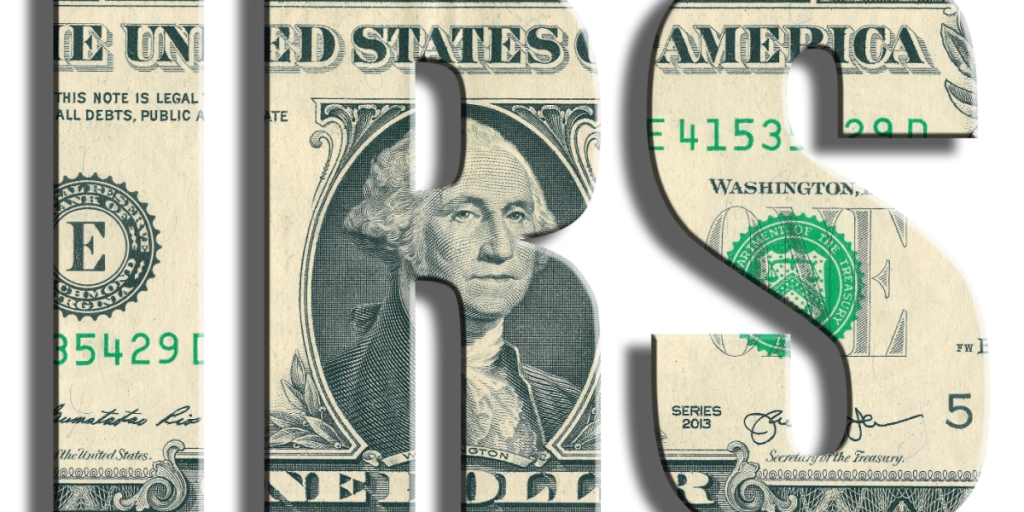
Once a tax system is in place, it builds infrastructure—the IRS, laws, expectations. Income tax collection was routine by the 1930s.
Dismantling it would have been chaotic, especially during an economic crisis.
The Depression cemented its place
In 1933, the government needed every dollar it could find. Repealing income tax was unthinkable.
Liquor taxes helped, but only income tax could shoulder the weight of the Depression’s demands.
A permanent fixture born of Prohibition

Prohibition didn’t create the income tax, but it helped ensure its permanence.
Income tax reduced Washington’s dependence on liquor revenue, helped make Prohibition fiscally viable, and ultimately became central to the modern American state—even long after repeal.