
 Noah Romsdal Hallundbæk Sørensen
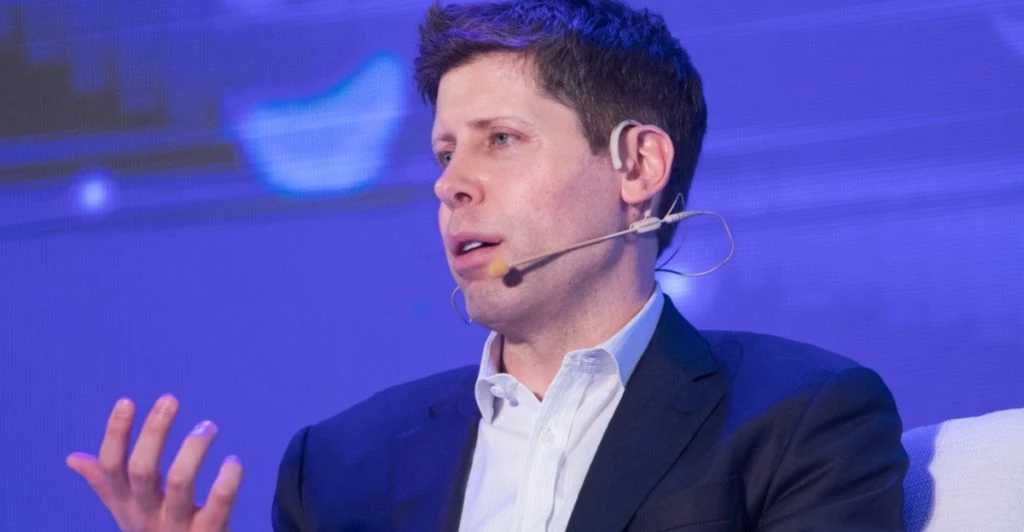
OpenAI’s expensive race to stay ahead is raising fresh doubts about its long-term survival.


OpenAI has become one of the most closely watched names in artificial intelligence, propelled into the mainstream by the global success of ChatGPT.
Its rapid rise has helped define the current AI boom, while setting expectations for what cutting-edge models can deliver.
Behind the scenes, however, the company is grappling with growing financial and strategic pressures as it tries to defend its lead in an increasingly competitive market.
Kevin Okemwa, a writer for Yahoo!Finance writes this about the topic


A head start pays off
Microsoft CEO Satya Nadella has argued that OpenAI benefited from a roughly two-year window to build ChatGPT without serious competition.
That early advantage, he said publicly, gave the firm a rare opportunity to shape the market before rivals could catch up.
That momentum has translated into strong demand from consumers and businesses alike.
ChatGPT and OpenAI’s large language model access have become core products across industries, reinforcing the company’s influence in the sector.
Mounting pressures emerge
Despite that success, OpenAI is reportedly burning through cash at a striking pace.
According to multiple reports, the company is spending heavily on infrastructure, advanced model training, research hires and computing power as it pushes the limits of AI development.
The firm is also facing non-financial challenges.
These include user backlash over the introduction of advertising into ChatGPT, a high-profile legal dispute with Elon Musk over its for-profit restructuring and alleged “ill-gotten gains,” and concerns about access to enough high-quality data for future model training.
Losses loom large
Several reports cited by artificialintelligenceee on Instagram suggest OpenAI could post a loss of around $14 billion in 2026.
A separate analysis last year projected an $8 billion loss in 2025, potentially widening to $40 billion by 2028.
OpenAI is estimated to generate up to $13 billion a year in revenue, while spending as much as $1.4 billion on computing alone.
Whether advertising revenue can meaningfully close that gap remains unclear.
Optimism meets doubt
OpenAI CEO Sam Altman has dismissed talk of an AI bubble, saying the company’s revenue is “growing steeply.”
He has also said OpenAI expects demand across consumer, enterprise and future hardware products to accelerate.
Altman has gone further, predicting revenue could reach $100 billion by 2027. But Tom’s Hardware reported that OpenAI could run out of cash by mid-2027, casting doubt on those projections.
Economist Sebastian Mallaby of the Council on Foreign Relations told reporters that even with strategic changes or by using “its overvalued shares,” OpenAI may struggle to escape its financial bind. Another funding round may be needed, alongside a clearer path to profitability, as investor enthusiasm begins to cool.
Sources: Yahoo!Finance, Instagram/artificialintelligenceee, Business Insider



