
 Edith Hejberg
Even if you’re comfortable around dogs, meeting a fully trained protection animal can be unsettling.


Even if you’re comfortable around dogs, meeting a fully trained protection animal can be unsettling. Butch Cassidy, a 40kg Belgian shepherd, moves with startling speed and precision. His owner, Grahame Green, insists he’s safe, unless given a command. When Cassidy is told to bite, the transformation is instant and alarming.
Control on display

Cassidy clamps onto a handler’s protected arm, holding firm until ordered to release. Both men involved are experts, and the scenario is tightly managed. Yet it’s easy to imagine how quickly things could go wrong in a less controlled setting, or with a less experienced owner.
A booming niche market

Dogs trained to bite, hold and release on command are no longer rare in the UK. Once reserved for security professionals or the ultra-wealthy, personal protection dogs are now marketed as family pets with built-in security. Prices can reach tens of thousands of pounds.
Celebrity influence and fear

High-profile owners have helped drive demand. Celebrities and athletes, often after burglaries or stalking incidents, publicly praise the reassurance these dogs provide. Social media amplifies the appeal, blending fear of crime with aspirational displays of power and safety.


Demand ‘without a doubt’

Alaster Bly, founder of K9 Protector, says interest is rising fast. His company sells 40 to 60 dogs a year, mostly German shepherds and Belgian malinois, including a bespoke hybrid he has developed. Prices start at £32,000, depending on risk level and training.
An unregulated landscape

Despite their capabilities, protection dogs sit in a legal grey area. They are treated no differently from any other pet under UK law. There are no consistent standards for training, breeding or owner competence, leaving safety decisions largely to individual sellers.
Legal and financial risks
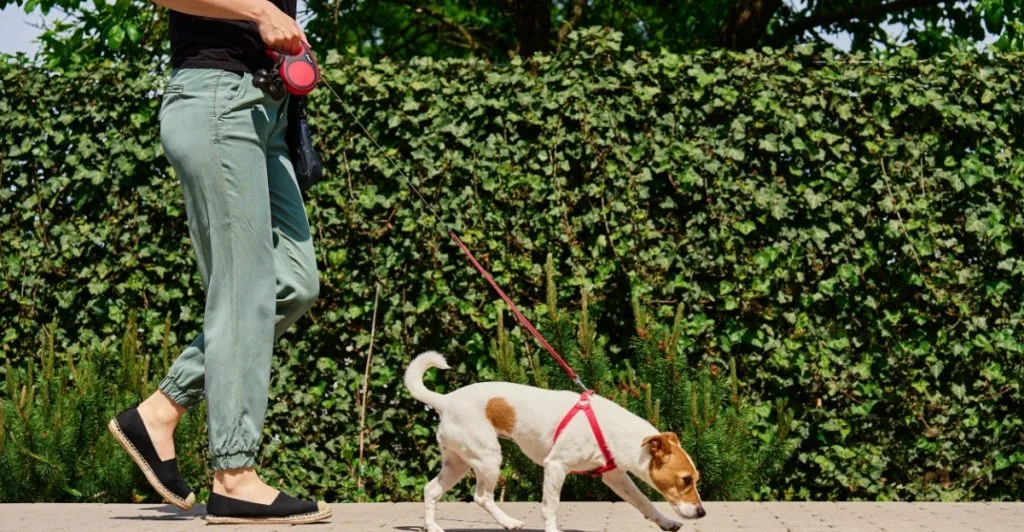
Training a dog for protection can increase an owner’s liability if something goes wrong. Lawyers warn such dogs may be viewed as weapons rather than pets. Insurance often excludes animals trained to bite, exposing owners to serious financial consequences.
Welfare concerns grow
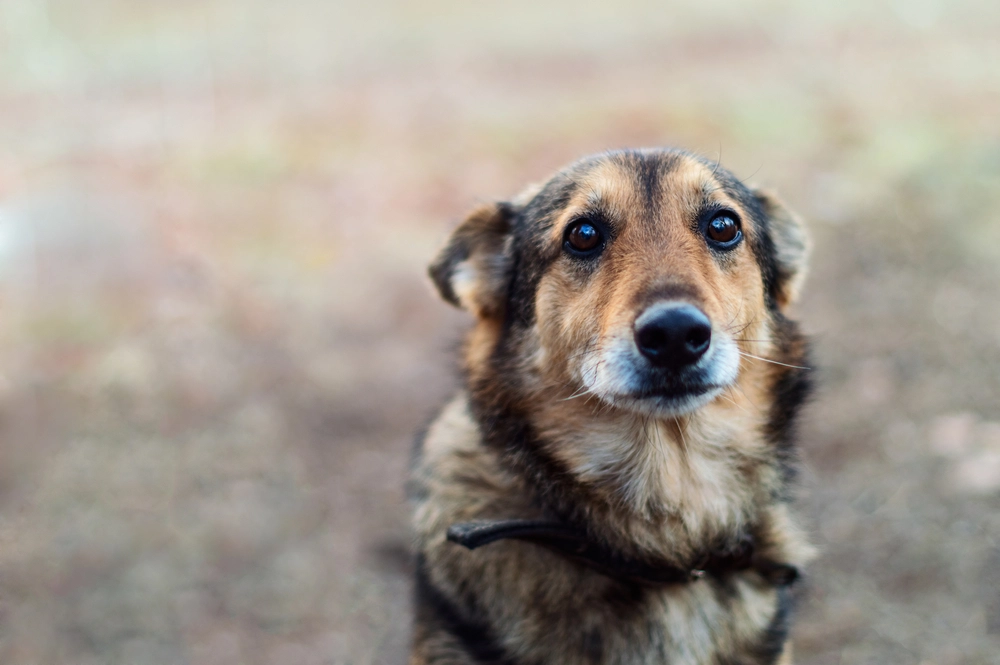
Complaints to the RSPCA about protection dogs have risen sharply, many linked to coercive training methods. Animal welfare experts worry this reflects an emerging trend, driven by demand rather than an understanding of dogs’ needs or limits.
Trainers urge caution

Grahame Green, who runs a dog training school in Norfolk, actively discourages the public from seeking protection dogs. He sees many unsuitable owners motivated by ego or status. Once a dog is trained to protect, he says, “it’s no longer a pet”.
Social media and status

Certain breeds, including cane corsos, have surged in popularity following breed bans and online trends. Protection training can become another way to project toughness. Green says videos celebrating bite strength and aggression fuel unrealistic and dangerous expectations.
Sellers defend the model

Bly argues his dogs are stable, social and mostly serve as deterrents. Only a small percentage ever bite in real situations, he says. Owners receive ongoing support, and dogs undergo regular refresher training.
Responsibility and regulation

Bly believes the real issue lies with irresponsible breeders and sellers. He supports stronger regulation and has refused sales to unsuitable clients. Attempts to create an industry-wide regulatory body, however, have failed.
Are dogs the answer at all?

For the RSPCA, the question is more fundamental. Dogs are sensitive, emotional beings, not security tools. Expecting them to respond reliably in every situation is misguided. With safer alternatives available, many experts argue personal protection dogs should not be used at all.



