
 Kenneth Glad
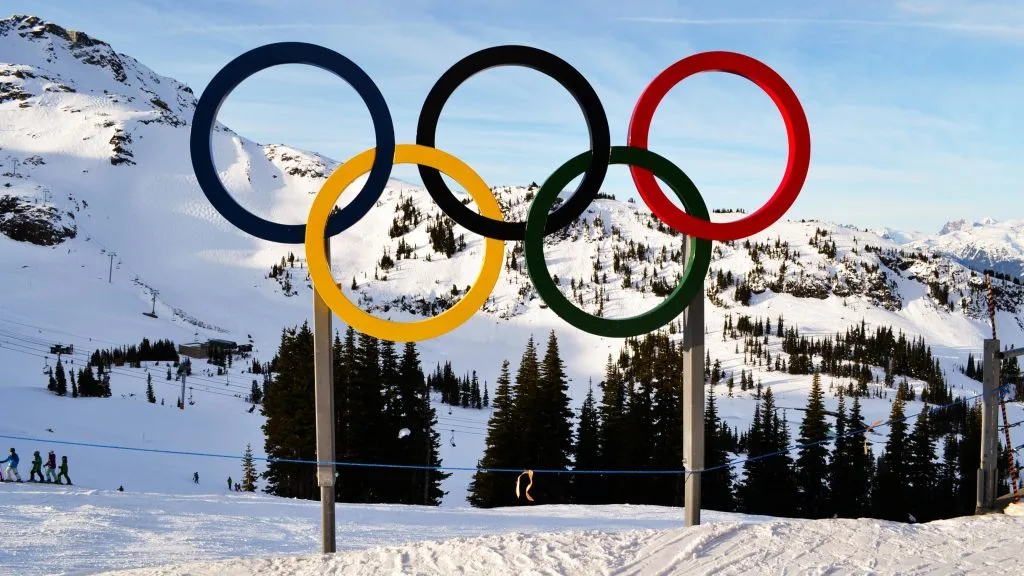
As the eyes are turned towards the Winter Olympics in northern Italy, fatalities linked to harsh conditions have been reported in two very different settings.


The New York Times, citing local police, reported that six homeless people have died of hypothermia in Milan over the past month. Some of the deaths occurred near Olympic venues, the newspaper said, where spectators have paid as much as €1,500 for tickets to attend certain events.
Aid groups have kept up regular night patrols during the cold spell, focusing on transit hubs and other exposed areas. City Angels, a nonprofit organization, makes weekly rounds offering food, hygiene supplies and clothing to people sleeping outdoors.
Mario Furlan, a life coach who founded City Angels, told the Times the scale of homelessness remains visible: “There are homeless people everywhere, When a city as organized and as rich as Milan has this significant a problem, I feel it is really a shame.”
Alpine risks mount
North of Milan, mountain rescue teams have also faced a deadly stretch. CBS News writes that 13 backcountry skiers, climbers and hikers have died in the Italian mountains over the last 10 days, including 10 in avalanches.


Italy’s Alpine Rescue Corps said recent snowstorms and strong winds left an unstable snowpack across the Alpine arc bordering France, Switzerland and Austria, making it easier for avalanches to break loose on ungroomed terrain.
“Under such conditions, the passage of a single skier, or natural overloading from the weight of snow, can be sufficient to trigger an avalanche,” Federico Catania, a spokesman for the rescue service said.
Catania said the fatal avalanches occurred on slopes away from monitored Olympic competition areas and stressed that managed resorts are routinely checked. “There is no danger for people skiing within managed ski resorts, and in particular no risks to the Olympic sites,” he said.
Rescuers advised backcountry visitors to consult avalanche bulletins and delay outings until the snowpack consolidates.
Sources: The New York Times, CBS News



