
 Edith Hejberg

Working out with others appears to bring the strongest results.
Group-based aerobic exercise emerged as the most effective approach for reducing depression and anxiety.


Aerobic exercise such as running, swimming or dancing could serve as a frontline treatment for mild depression and anxiety, according to new research.
Scientists found that physical activity can rival traditional approaches in easing symptoms.
For some people, regular movement may be as important as booking a therapy session.
Strongest gains in young adults and new mothers

The biggest improvements were seen in young adults and new mothers.
Both groups are considered especially vulnerable to mental health problems.
Researchers say this makes the findings especially relevant at a time when cases are rising.
Group workouts deliver the greatest benefits

Working out with others appears to bring the strongest results.
Group-based aerobic exercise emerged as the most effective approach for reducing depression and anxiety.
The shared experience may enhance both motivation and mood.
Aerobic exercise leads for depression

Exercises that raise the heart rate had the largest impact on depression.
Running, swimming and dance-based classes ranked highly.
Resistance training and yoga also helped, but their effects were smaller.


Smaller but clear effects on anxiety

A similar pattern was seen for anxiety, although the overall impact was more modest.
Aerobic activity still performed best.
Researchers said the benefits were consistent across different age groups.
Short, low-intensity programmes may help anxiety most

For anxiety in particular, low-intensity programmes lasting only a couple of months may be most effective.
This suggests people do not need punishing routines to feel better.
Even moderate, time-limited efforts can make a difference.
Evidence drawn from nearly 80,000 volunteers

The researchers analysed 63 published reviews involving almost 80,000 people.
The aim was to measure the effect of exercise on depression and anxiety across the lifespan.
Pregnant women and new mothers were included in the data.
Comparing many forms of exercise
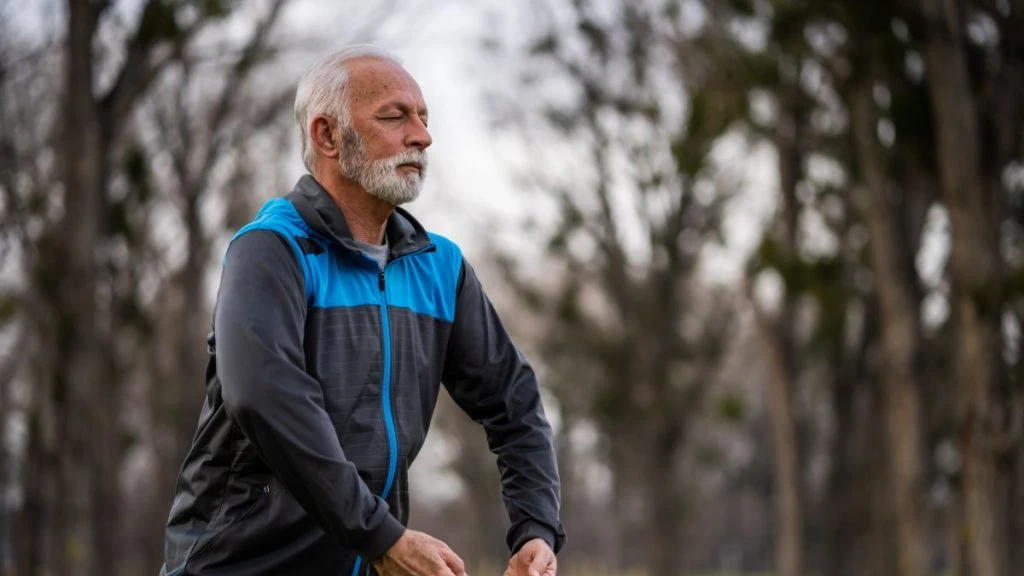
The study covered resistance training, aerobic workouts and mind-body activities such as yoga and tai chi.
This broad comparison helped identify which approaches worked best.
Aerobic exercise consistently showed the strongest results.
Social connection plays a crucial role

Participants in group or supervised sessions saw extra improvements.
The researchers, writing in the British Journal of Sports Medicine, suggested socialising plays “a crucial role in the antidepressant effects of exercise”.
Routine, encouragement and shared goals may all lift mood.
“Exercise can have a similar effect”

“Exercise can have a similar effect, and sometimes a stronger impact, than traditional treatments,” said Neil Munro, a psychologist at James Cook University in Queensland, Australia.
“Getting moving, in whatever shape or form works best for each person, can help mitigate depression and anxiety symptoms.”
He stressed that the type of activity should suit the individual.
A growing global mental health challenge

According to the World Health Organization, more than 280 million people worldwide live with depression.
Another 301 million have anxiety disorders.
In the UK and elsewhere, cases among 16- to 24-year-olds have risen sharply over the past decade.
New mothers face heightened risk

About 15 to 20% of new mothers experience depression or anxiety in the first year after giving birth.
That makes accessible, low-cost interventions especially important.
Exercise programmes tailored to this group could offer meaningful support.
Experts urge caution for severe depression

Specialists not involved in the research warned against overgeneralising the findings.
“For people with mild or subclinical symptoms, exercise can reasonably be considered a frontline treatment option,” said Dr Brendon Stubbs of King’s College London. “However, there is no evidence from this study, or from the wider literature, to suggest that people should change or discontinue established treatments such as psychotherapy or medication.”
Prof Michael Bloomfield of UCL added: “It’s good news that group exercise such as Zumba can reduce symptoms of anxiety and depression for some people, likely through a mix of physical activity, social connection, fun, dance and routine, and the evidence supports it as a potential useful adjunct to care.” He said: “For that reason, exercise should be seen as a complement to, not a replacement for, evidence-based treatments such as psychological therapies and medication where these are clinically indicated.”



