
 Mikkel Christensen
Electric cars are becoming more advanced each year, and manufacturers are constantly adding new features to the cabin


Electric cars are becoming more advanced each year, and manufacturers are constantly adding new features to the cabin.
Longer range, larger screens and more software are meant to make the cars of the future smarter.
But not all trends are being welcomed enthusiastically.
According to BGR, several developments in the EV industry in 2026 are raising concerns among drivers.


Previous attempts, such as BMW’s heated seat subscription — later dropped after criticism — have already shown that the limits of digitalization can be sensitive.
Virtual assistants
Voice control is playing a bigger role in modern cars, but it does not always work seamlessly. Simple commands like adjusting the volume or changing music can be convenient.
However, many functions can be performed faster with a physical button. According to BGR, extensive virtual assistants and digital avatars in the cabin risk making operation more complicated rather than more intuitive.
In traffic, extra seconds spent communicating with a system instead of pressing a button can have implications for safety.
Giant screens
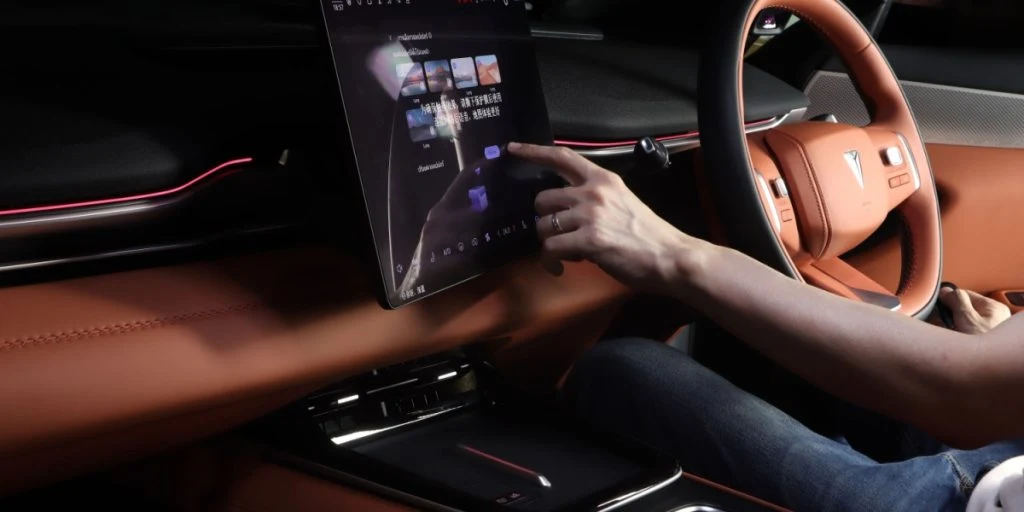
Infotainment displays continue to grow in size. The Mercedes-Benz EQS features a 56-inch MBUX Hyperscreen, while the Cadillac Escalade IQ offers a 55-inch curved display, BGR writes.
At the same time, traditional instrument clusters are being replaced by digital solutions, increasing the number of screens in the driver’s field of vision.
Although the design may appear futuristic, studies cited by BGR suggest that new technology can increase distraction behind the wheel. Many drivers still prefer physical buttons over touch-only controls.
Harder repairs
The right to repair is becoming an increasingly important issue in the automotive industry. According to BGR, BMW has explored the use of proprietary screws that require specialized tools.
Hyundai has also faced criticism for allegedly making it difficult for Ioniq owners to perform certain repairs themselves.
Electric and hybrid vehicles are technically complex, which can make both DIY repairs and independent servicing more challenging. The result may be higher workshop bills for owners.
Goodbye to CarPlay?
General Motors has announced that upcoming electric vehicles will not support Apple CarPlay or Android Auto. Instead, the company is developing in-house software systems in partnership with Google, BGR reports.
Audi, Volvo and Polestar are also moving away from the established platforms.
According to GM, the new solution will be able to “go beyond what’s possible with just phone projection.” However, it remains unclear how compatibility will work in practice, and the development is creating uncertainty among drivers accustomed to familiar systems.
Sources: BGR



