
 Asger Risom
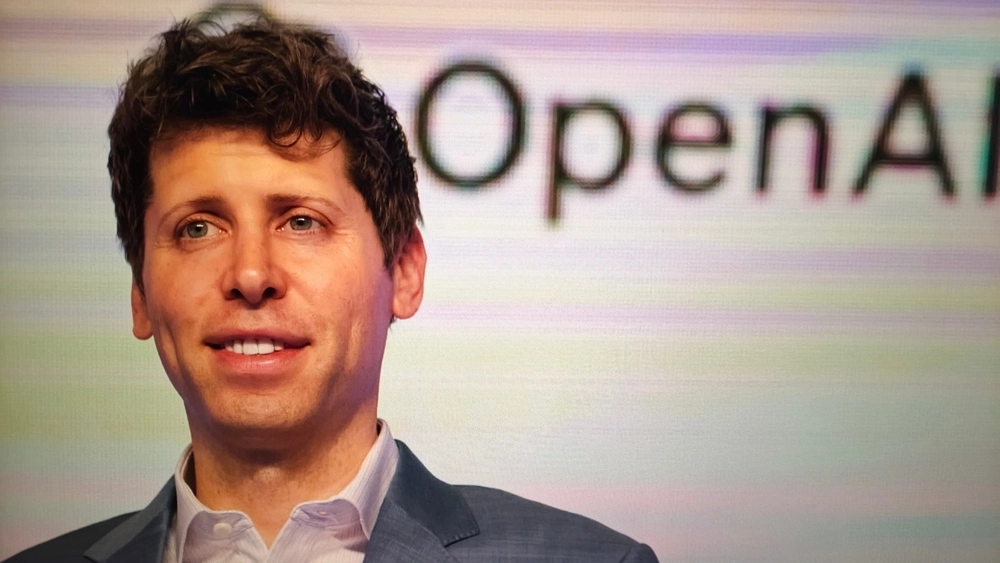
Federal filings reveal that OpenAI pays AI researchers up to $685,000 in base salary, with engineers and data scientists frequently earning mid-six-figure pay. The figures exclude stock awards, which reportedly average $1.5 million per employee.


Earlier this year, OpenAI CEO Sam Altman said the company would “dramatically slow down” hiring to avoid the kind of mass layoffs that have rattled much of the tech industry.
The hiring freeze hasn’t exactly materialized.
Federal filings show OpenAI continues to recruit aggressively from abroad, offering top-of-market salaries across research, engineering, and go-to-market roles. The most recent quarter — covering hires between October and December 2025 — shows more than 60 overseas recruits joining the company, an increase from the prior quarter.
That growth has continued despite a $100,000 fee on new H-1B visa applications introduced in September, signaling that OpenAI is still willing to pay a premium to secure top talent.


OpenAI pays at the top of the market
OpenAI does not publicly publish compensation data. However, federal labor filings required for companies hiring foreign workers provide a rare glimpse into base salaries across more than 160 roles over the past four quarters.
It’s important to note that these figures reflect base pay only. They do not include bonuses or stock awards — which, at OpenAI, can be substantial. According to The Wall Street Journal, the company’s more than 4,000 employees receive an average of $1.5 million in stock-based compensation.
Even without equity, the base salaries are striking.
Research scientists sit at the highest end of the scale, with some earning as much as $685,000 in base pay alone. Engineering roles regularly stretch into the mid-six figures, and even sales and support functions command compensation far above industry averages.
AI researcher salaries
OpenAI’s core research talent earns some of the highest base salaries in the company:
- Member of Intelligence & Investigations Staff: $320,000 to $382,500
- Member of Technical Staff (AI Systems Engineer): $245,000 to $460,000
- Member of Technical Staff (Research & AI Systems): $310,000 to $460,000
- Member of Technical Staff (Research Engineer): $210,000 to $460,000
- Member of Technical Staff (Research Scientist): $245,000 to $685,000
The upper end of the research scientist range places OpenAI among the highest-paying AI employers globally.
Engineer and data scientist salaries
Compensation remains strong across engineering and data roles:
- Member of Data Science Staff: $188,885 to $405,000
- Member of Technical Staff (Data Science): $255,000 to $490,000
- Member of Technical Staff (Hardware Engineer): $250,000 to $555,000
- Member of Technical Staff (Security Engineer): $310,000 to $325,000
- Member of Technical Staff (Software Developer): $325,000
- Member of Technical Staff (Software Engineer): $170,000 to $490,000
Hardware engineers and senior technical staff roles frequently cross the half-million mark in base pay.
Product, program, and design salaries
OpenAI’s non-engineering technical leadership roles are also highly compensated:
- Member of Design Staff: $245,000 to $310,000
- Member of Product Staff (Product Management): $210,000 to $325,000
- Member of Program Staff: $150,000 to $355,000
Even program management roles can reach into the mid-$300,000 range.
Sales and operations salaries
Commercial roles are paid competitively as well:
- Member of Finance Staff: $240,000 to $260,000
- Member of Go-To-Market Staff: $180,000 to $290,000
- Member of Go-To-Market Staff (Customer Success): $165,000 to $240,000
- Member of Go-To-Market Staff (Forward Deployed Engineer): $220,000
- Member of Go-To-Market Staff (Support Engineer): $235,000
- Member of Support and Community Staff: $180,000 to $235,000
These figures underscore that OpenAI’s compensation strategy extends well beyond research labs.
The AI talent war isn’t slowing down
OpenAI’s hiring of high-profile talent — including OpenClaw creator Peter Steinberger — reinforces that the AI talent race remains intense. The company continues to recruit heavily from elite institutions such as Stanford, MIT, and Carnegie Mellon.
Despite public messaging about slowing hiring, the data suggests steady expansion — and compensation levels that reflect how competitive the frontier AI market has become.
In a landscape where AI breakthroughs can reshape entire industries, OpenAI appears willing to pay whatever it takes to stay ahead.
Sources: Federal H-1B labor condition application filings, The Wall Street Journal



