Kenneth Glad
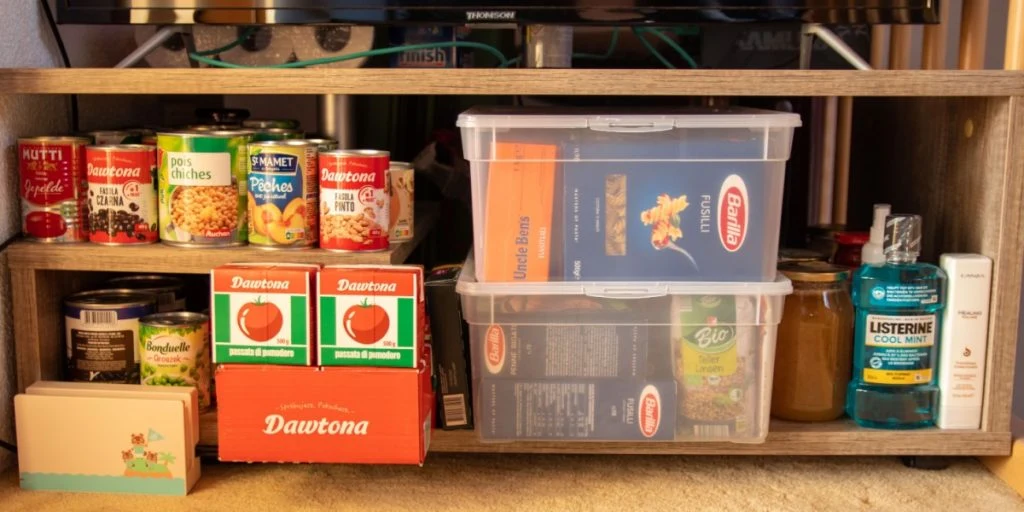
Concerns over fragile supply chains are resurfacing as international instability grows. Officials and food security specialists say modest preparation at home can help cushion families against sudden disruptions to everyday essentials.


Renewed fighting in Eastern Europe and tensions in the Middle East have once again pushed questions about preparedness into the headlines. The Daily Express recently reported that households are being urged to think about what food they would have available if a major international crisis disrupted trade routes or transport networks.
It is not only about the prospect of a global conflict.
Across Europe, governments have for years advised residents to keep essential supplies at home for a range of emergencies, from severe weather to infrastructure failures. The early months of Russia’s invasion of Ukraine in 2022 offered a practical example. Sunflower oil disappeared from many supermarket shelves. Flour became harder to find. Prices climbed sharply. The disruption was limited, but noticeable.
A spokesperson for food storage retailer Food Bunker told the Daily Express: “Whilst still comparatively unlikely, the prospect of World War 3 poses significant challenges to food security, with potential disruptions to international trade and domestic agricultural production. On a householder level, it would be wise for civilians to build their food reserves, learn how to grow and preserve their own food and to try and support their local food producers.”


Business Insider and Pantry Passion have previously outlined several shelf-stable items that are commonly recommended for emergency reserves.
Carbohydrates
Basic staples tend to form the backbone of any supply. White rice is frequently recommended because, when stored in airtight, oxygen-free conditions, it can remain viable for decades.
Canned goods are another mainstay. Beans, lentils, vegetables and soups can last for years if the packaging remains intact.
The BBC reported on a British man in 2006 who consumed a tin of chicken that had been stored for half a century, originally received as a wedding gift in 1956, and he did not suffer ill effects. The case is often referenced to demonstrate how long commercially canned food can endure when properly sealed.
Protein sources
Long-lasting protein is equally important. Peanut butter has a shelf life of several years unopened and delivers dense calories.
The U.S. Department of Agriculture notes that dried meat products, such as jerky, can keep for months when stored correctly and even longer if vacuum-packed and frozen.
Energy bars made from oats, seeds and dried fruit are also frequently included in emergency kits. They require no preparation and are easy to portion.
Dairy alternatives and flavorings
Fresh milk is perishable. Powdered milk is not. When kept dry and cool, it can remain usable for years. Honey is often cited for similar reasons; under normal storage conditions it resists spoilage.
Even small items matter over time. Bouillon cubes can add salt and flavor to otherwise plain staples. A splash of vanilla extract can make repetitive meals slightly more bearable.
Researchers who study food systems say modern supply chains rely heavily on global shipping lanes and tightly timed deliveries. When one link falters, the effects can spread quickly.
The advice from preparedness experts is generally consistent: build a modest supply gradually, store it correctly and rotate items before they expire — without clearing out the supermarket in the process.
Sources: The Daily Express, BBC, Business Insider, Pantry Passion, The US Department of Agriculture