
 Noah Romsdal Hallundbæk Sørensen
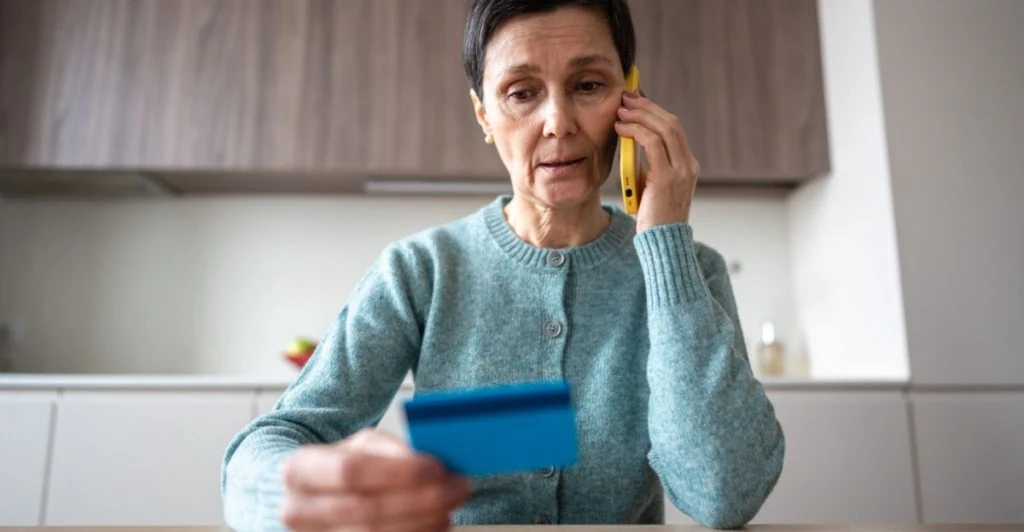
Authorities in Finland are warning citizens after a surge of scam calls has swept across the country.


A new type of phone scam is spreading in Finland, and authorities are raising the alarm. Many citizens are currently receiving calls from people pretending to represent banks.
The calls may sound convincing, but according to authorities the goal is to gain access to the victims’ banking information.
The Finnish Cyber Security Centre under the transport and communications authority Traficom warns that the calls come from both foreign and Finnish phone numbers. According to the newspaper Ilta-Sanomat, many citizens have already reported similar incidents.
The scammers typically claim to be calling from well‑known banks in Finland. They often say that an unusual transfer has been detected or that there is an error on the customer’s account.


This is reported by IS.
How it works
According to Ilta-Sanomat, the call often begins with an automated message. The recipient is asked to press 0 or 2 to continue to a customer service representative.
When a button is pressed, the call is forwarded to a person who claims to work for the bank. The person then attempts to persuade the victim to provide banking details in order to “stop a transfer or error”.
In reality, however, it is fraud. If the information is shared, the scammers can use it to transfer money to accounts they control.
According to the Cyber Security Centre, even a single incident can be enough to compromise a victim. The stolen information can, among other things, be used to create a mobile certificate in the person’s name and in some cases take out loans.
Signs of fraud
Authorities point to several warning signs associated with this type of call. One of the most common is that the caller tries to create a sense of urgency and pressures the recipient to act quickly.
Victims are often asked to provide their online banking ID or a code that has been sent via SMS.
The call may come from an unknown or foreign number even though the caller claims to represent an organisation in Finland.
If you are not expecting a call from abroad, authorities simply recommend not answering.
What you should do
If you do answer the phone, you should avoid giving any personal information and instead end the call immediately.
If you are unsure, it is recommended to contact the organisation directly through the official customer service number on its website, for example your bank.
It may also be a good idea to block the number to avoid further calls.
If you have already shared information, you should contact your bank immediately and report the case to the police.
The Cyber Security Centre also stresses that banks and authorities never ask for banking information or other sensitive data via phone or email.



