
 Mikkel Christensen
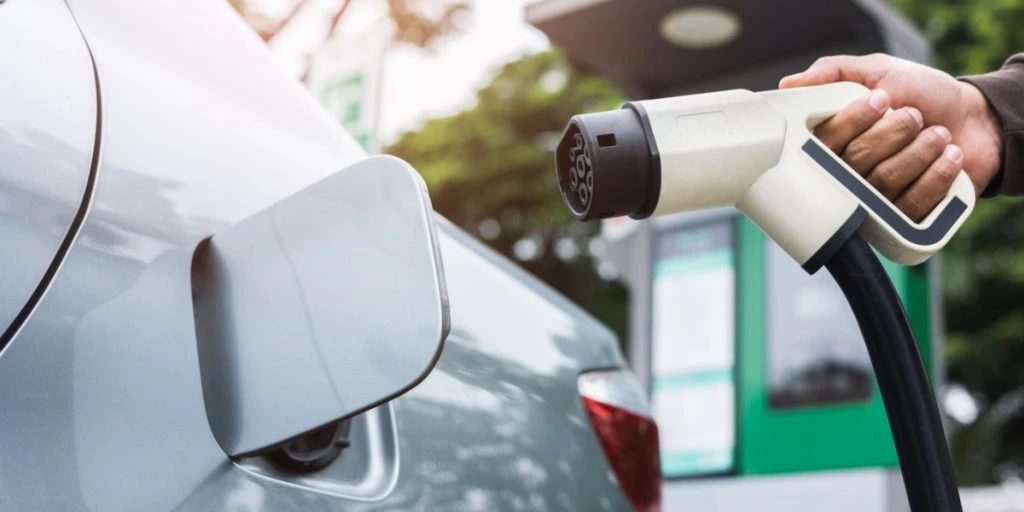
Electric vehicles are often seen as protection from rising fuel prices. But global energy shocks can still affect drivers who have switched away from petrol.


Electric vehicles are often seen as protection from rising fuel prices. But global energy shocks can still affect drivers who have switched away from petrol.
As oil prices climb amid tensions in the Middle East, experts say EV owners could soon face higher charging costs. Yet electric cars are still expected to remain cheaper to run than petrol or diesel vehicles.
Energy markets shift
According to The i Paper, disruptions to shipments through the Strait of Hormuz have pushed oil prices to around $100 per barrel.
The spike has already started to raise petrol and diesel prices, with UK pump prices climbing in recent weeks.


Although EV drivers avoid buying fuel at the pump, the same crisis could push electricity prices higher as global energy markets react.
Charging costs rising
Analysts believe the UK energy price cap, which limits household power bills, could increase by about 10 percent in July.
That would add roughly £160 to the average household’s annual energy bill.
Frankie Mayo, senior UK analyst at energy think tank Ember, told The i Paper: “Britain remains too reliant on gas for both power and heating, and consumers are already facing price rises in both power and vehicle fuel prices.”
Public chargers affected
Higher electricity costs could also affect rapid charging stations used on motorways and in public locations.
A typical fast charge from around 10 percent to 80 percent currently costs about £40. Operators may eventually pass higher electricity costs on to drivers.
However, many charging providers operate on fixed energy contracts lasting up to a year, meaning any price increases may appear gradually.
EV advantage remains
Despite the expected rise in electricity prices, experts say electric vehicles will likely stay cheaper to run overall.
Petrol prices in the UK have already increased by around 5p per litre, while diesel prices have risen even faster, according to the RAC.
The Energy and Climate Intelligence Unit estimates EV drivers currently save more than £870 per year compared with petrol car owners. If oil prices continue climbing, those savings could exceed £1,000 annually.
Sources: The i Paper


