
 Kenneth Glad
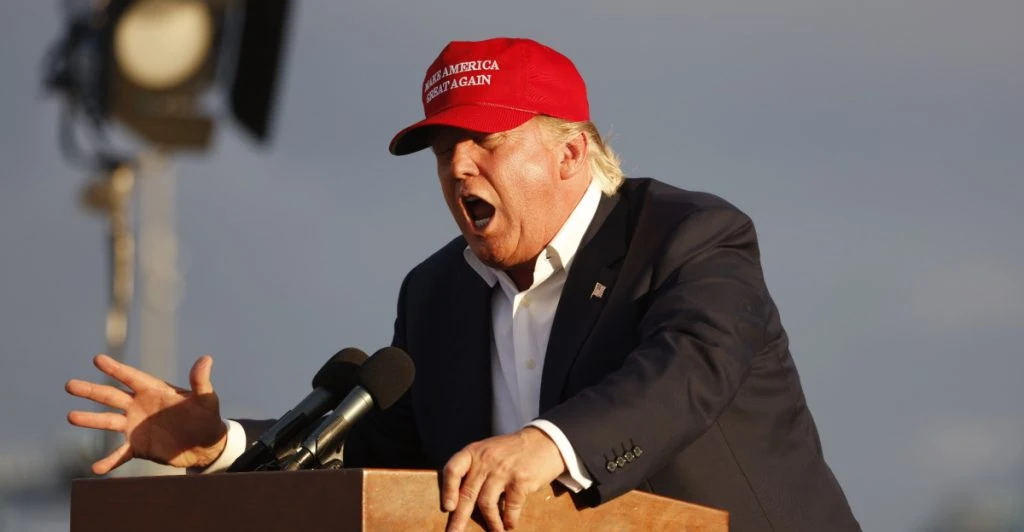
The struggle is playing out in primaries, Congress and foreign policy votes. It has turned party discipline into a test of political survival.


The Republican Party is facing a widening internal fight over loyalty to Donald Trump, as lawmakers who question his agenda risk primary challenges, public attacks and isolation inside their own party.
The dispute is no longer only about ideology. It is about whether Republican officials can oppose Trump on spending, foreign policy, health care or the Epstein files without endangering their careers.
Reports from Onet and The Independent describe a party where Trump’s influence reaches far beyond the White House, shaping who survives primaries and who gets pushed aside.
Primaries decide the pressure
In many safely Republican districts, the primary is the real election. That gives Trump’s endorsements and donor support enormous weight, especially against lawmakers accused of disloyalty.


His supporters argue that this pressure keeps elected Republicans tied to the voters who backed him.
His critics say it creates a system where even conservative dissent is treated as betrayal.
Foreign policy has become one of the clearest breaking points. The Independent reported that only four House Republicans joined Democrats in backing an Iran war-powers measure that would limit Trump’s ability to continue military action without congressional approval.
Trump responded by attacking the vote as “meaningless” and “unpatriotic.” In a Truth Social post, he singled out the defectors as “4 bad Republicans” and accused them of siding with “Dumocrats” while he said he was negotiating to end the war with Iran.
He basically stopped short of calling them traitors, but the message was unmistakable: Republicans who challenge him on war powers risk being branded disloyal at a moment when Trump’s support can decide primary races.
Dissent has consequences
Thomas Massie of Kentucky became one of the clearest examples. According to Onet, he opposed Trump on spending, foreign policy and the Epstein files, then lost a primary to Trump-backed Ed Gallrein after heavy spending against him.
Marjorie Taylor Greene, once among Trump’s loudest allies, also broke with him over the Epstein files and health care costs before leaving the House.
In the Senate, Thom Tillis chose not to seek reelection after resisting Medicaid cuts in Trump’s legislation.
Bill Cassidy and John Cornyn were also described as vulnerable to Trump-backed challenges despite supporting much of Trump’s agenda.
The strategy may strengthen Trump’s hold over the GOP, but it brings risks. Costly primaries can weaken nominees, drain party funds and create openings for Democrats in races Republicans expected to control.
There is also a governing problem. Lawmakers who are retiring or already defeated may have less reason to support Trump’s nominees, budgets or foreign policy decisions before leaving office.
Sources: Onet, The Independent.



