
 Kenneth Glad
Rising tensions in the Middle East are drawing global attention as military operations and diplomatic messaging continue to unfold. Developments on the ground are also prompting concern over the broader humanitarian and economic consequences.


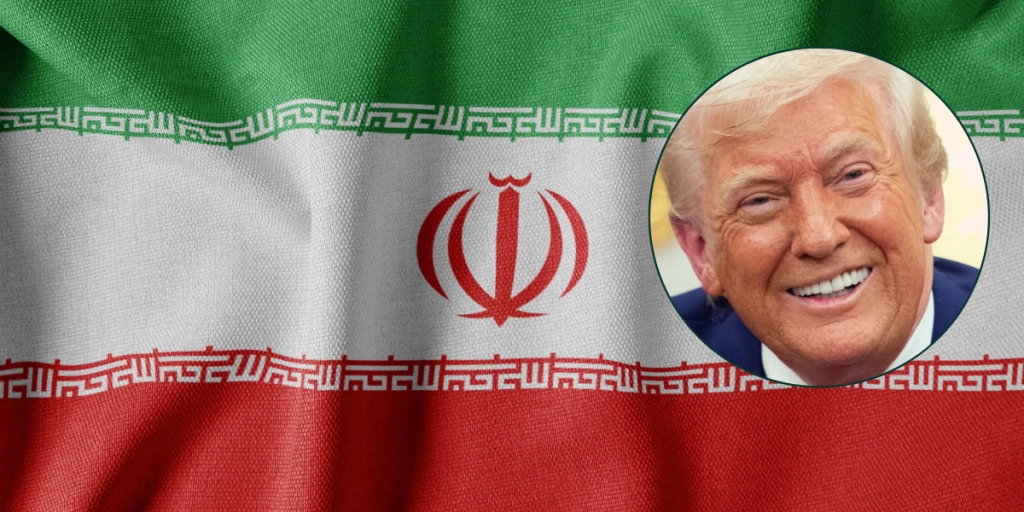
After more than a week of U.S. and Israeli airstrikes on Iranian targets, President Donald Trump is signalling that the military campaign could soon wind down, writes Unilad.
Yet the fighting continues to ripple across the region, driving civilian casualties and volatility in global energy markets.
The conflict has also raised fears of a wider regional confrontation involving Gulf states and key international shipping routes.
Trump signals progress
Trump suggested this week that the operation against Iran had largely achieved its goals.


In an interview with CBS News, he said: “I think the war is very complete, pretty much. If you look, they have nothing left.”
He argued that Iranian military capabilities had been significantly weakened during the strikes. “They have no navy, no communications, they’ve got no Air Force. Wrapping up is all in my mind.”
During remarks to Republican supporters at Mar-a-Lago, Trump defended the decision to launch attacks on February 28. “We took a little excursion, because we felt we had to get rid of some people,” he told the audience.
Still, the president acknowledged the campaign was not finished. “We’ve already won in many ways, but we haven’t won enough,” he said, adding that the United States would continue pursuing what he called “ultimate victory.”
He again justified the strikes by claiming Iran posed an imminent threat. “I thought they were going to attack us,” Trump said.
Health system under strain
Inside Iran, medical services are struggling to cope with the scale of casualties following days of bombardment.
Iranian health authorities say damage to hospitals and emergency services has complicated treatment for thousands of wounded civilians. Several hospitals were forced to halt operations after being struck or damaged, according to remarks from Iranian Deputy Health Minister Ali Jafarian to Al Jazeera.
For civilians in Iran, the cost is mounting.
Iranian health officials told Al Jazeera that the strikes have resulted in significant civilian casualties. More than 12,000 people were reportedly injured during the first ten days of attacks.
Authorities also reported heavy loss of life. At least 1,255 people have been killed, including children and healthcare workers, according to the same officials. The figures have not been independently verified.
Jafarian also warned about environmental dangers after strikes ignited fuel storage facilities in Tehran, sending thick smoke over parts of the capital. “This is not a military issue. … This is not a military target,” he argued.
Beyond the battlefield, the conflict is already producing wider global consequences.
Oil markets shaken
Traders reacted quickly to the instability in the Gulf.
According to LadBible journalist William Morgan, Brent crude climbed as high as roughly $119 a barrel during trading, briefly pushing prices past the $100 threshold before retreating.
The surge highlights how quickly energy markets respond to turmoil in the region. Much of the concern centres on the Strait of Hormuz, a narrow waterway widely viewed as one of the world’s most strategically important energy chokepoints.
Roughly a fifth of global oil and gas shipments pass through the strait, meaning even limited disruption can affect international supply chains.
Rising crude prices have already filtered through to consumers in the United States. Data from the American Automobile Association shows the average price of gasoline has climbed about 17 percent since the fighting began, reaching roughly $3.48 per gallon.
Trump dismissed concerns about the economic impact in a message posted on TruthSocial. “Short term oil prices, which will drop rapidly when the destruction of the Iran nuclear threat is over, is a very small price to pay for U.S.A., and World, Safety and Peace.”
Meanwhile, finance ministers from the G7 nations are discussing possible emergency steps, including releasing strategic fuel reserves, in an effort to steady global energy supplies.
Sources: LadBible, Al Jazeera, CBS, American Automobile Association



