
 Asger Risom
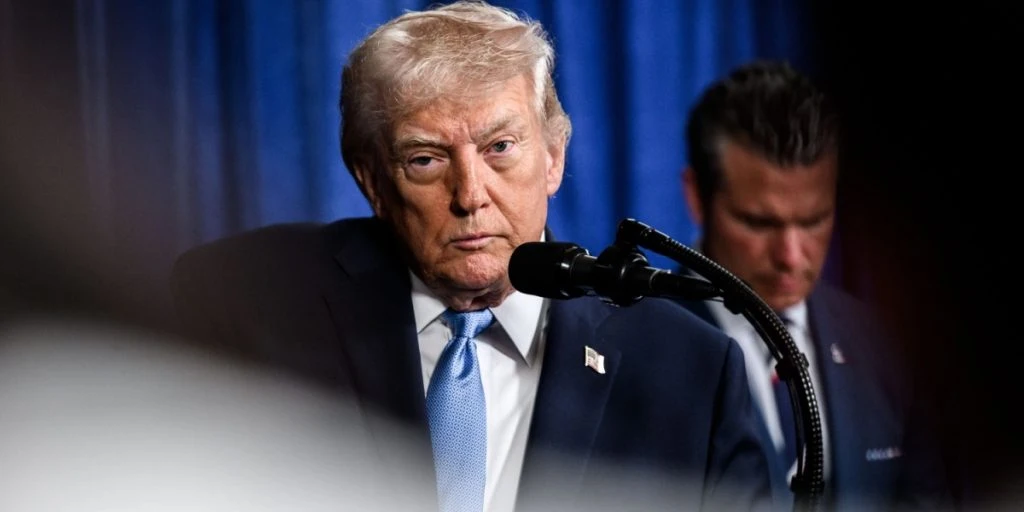
Donald Trump criticized Ukrainian President Volodymyr Zelensky while defending a U.S. decision to temporarily ease sanctions on Russian oil. The move could generate billions in revenue for Moscow and has alarmed Ukraine and its European allies.


U.S. President Donald Trump has sharply criticized Ukrainian President Volodymyr Zelensky, saying Ukraine’s leader is complicating negotiations with Russia while the United States focuses on escalating tensions in the Middle East.
Speaking amid the ongoing wars in Iran and Ukraine, Trump said Washington does not need assistance from Kyiv in dealing with Iranian drone threats in the Middle East.
“The last person we need help from,” Trump said, referring to Zelensky, as he dismissed suggestions that Ukraine could play a role in countering Shahed drone attacks outside Europe.
Zelensky pushes back
Zelensky responded cautiously to Trump’s remarks, downplaying the rhetoric while emphasizing that Ukraine remains focused on its own strategic priorities.


“Rhetoric is rhetoric. The most important thing is that we know what we’re doing,” Zelensky said.
The exchange highlights growing tensions between Kyiv and Washington as U.S. foreign policy priorities expand to include the rapidly escalating conflict with Iran.
U.S. move on Russian oil shocks allies
At the same time, the Trump administration has sparked controversy with a decision to temporarily ease certain sanctions on Russian oil.
The measure allows Moscow to sell crude oil that had already been loaded onto tankers before March 12. The waiver will last for one month.
European allies and Ukrainian officials reacted with alarm, warning the move could provide Russia with billions in additional revenue that may ultimately help finance its war in Ukraine.
Analysts estimate the decision could generate at least $9 billion in extra income for Moscow.
Oil prices driving policy pressure
Trump defended the decision by pointing to rising global energy prices.
“I want oil for the world,” the president said in an interview with NBC News, adding that sanctions would return once the current crisis subsides.
The war in the Middle East has driven oil prices sharply higher, creating pressure on fuel prices in the United States.
On Saturday, the average price of gasoline in the U.S. reached $3.68 per gallon, roughly 75 cents higher than a month earlier.
With midterm elections approaching in November, rising fuel costs could become a political liability for Republicans.
Critics warn of geopolitical consequences
Critics argue that easing sanctions — even temporarily — could deliver a strategic win for Russian President Vladimir Putin.
Beyond the financial benefit, analysts say the move could serve as a propaganda victory for Moscow and weaken Western unity on sanctions.
The policy shift has already stunned several European governments, which had expected Washington to maintain strict economic pressure on Russia while the war in Ukraine continues.
Sources: Gazeta Wyborcza



