
 Kenneth Glad
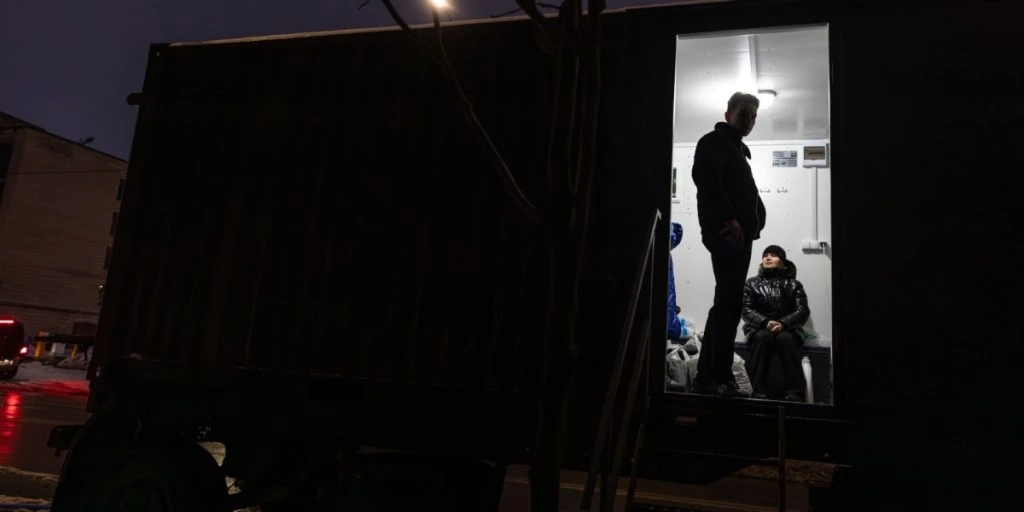
The bins are not emptied, the lights often go out, and yet the bills still arrive. For many residents, contradiction now defines daily life. Across occupied parts of Luhansk, the systems of normal life remain visible. What they deliver is another story.

Residents in Sievierodonetsk continue to receive charges for water, electricity and sanitation despite long outages and heavily damaged infrastructure.
Polish outlet O2, citing regional administration head Oleksiy Kharchenko, reports that fees even include local maintenance. On the ground, rubbish has piled up for months.
Kharchenko described the city as “one giant landfill.” People often clear waste themselves. Then they are billed for it.
Ukrainian officials say this gap between paperwork and reality is not unique. Similar complaints have emerged in other occupied areas, and in past conflicts where municipal systems kept running long after services collapsed.


War at the doorstep
The fighting is close enough to hear. Ukrainian authorities report continued Russian attacks toward Lyman and Sloviansk.
Kharchenko said 19 assaults were recorded in a single day, involving artillery, mortars and FPV drones. That tempo leaves little room for routine.
Windows are boarded up. Repairs are delayed. Moving across town can feel like a risk calculation.
Education under strain
Pressure is also building inside universities. Ukrainian officials say some students are being steered toward military contracts through administrative pressure.
O2 reports that those struggling academically may be offered a way to stay enrolled if they enlist. Refusal can mean losing their place.
The roles mentioned include technical positions such as drone operation, with promises that studies can resume later.
Officials note, according to Ukrainska Pravda, that recruitment campaigns targeting young people have also been reported in Russia. In occupied regions, alternatives are fewer, and the stakes are sharper.
Over time, this could reshape more than individual choices. It may alter how education functions altogether, tying it more closely to the demands of war.
Sources: O2, Ukrainska Pravda



