
 Kenneth Glad
Developments from multiple fronts are prompting closer scrutiny of both official actions and public messaging. Observers are weighing how different signals may influence perceptions of a rapidly evolving situation.

A US warning over Iran has taken on a far more dramatic life on Russian television. What officials framed as a conditional military threat has been recast by state media voices as a step toward global catastrophe.
According to the Daily Express, the claims surfaced during a broadcast hosted by Vladimir Solovyov, a prominent presenter on Russian state TV known for his strongly pro-Kremlin stance and large domestic audience.
What was actually said
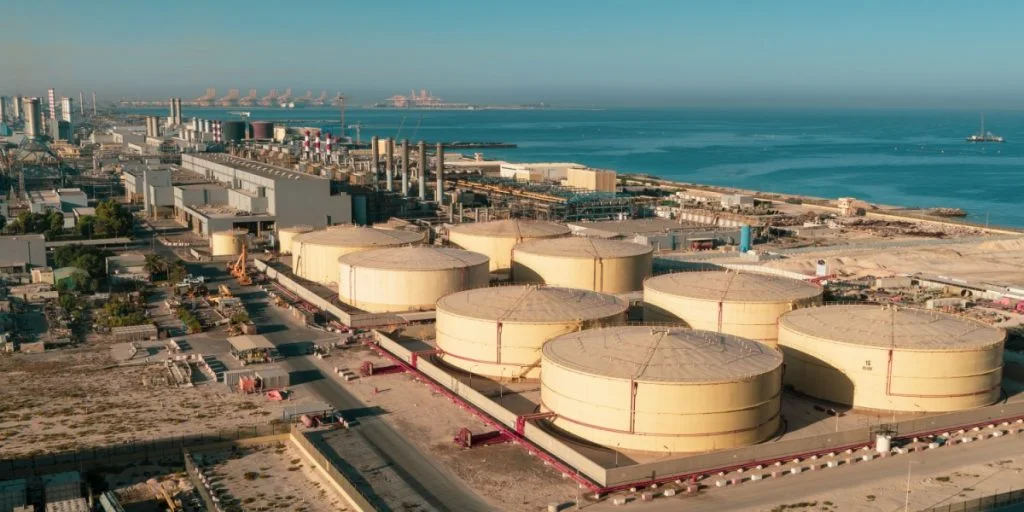
Donald Trump said the United States would “massively blow up the entirety” of Iran’s South Pars gas field if Tehran launched further attacks on Qatar.
The remark, shared on Truth Social, outlined a retaliatory scenario and did not mention nuclear weapons. He also urged Israel to halt strikes on the same facility.


Coverage from Reuters has consistently described current US-Iran tensions as involving conventional military risks, with no indication of nuclear escalation in official messaging.
From warning to worst-case
The tone shifted sharply on Russian television. During his programme, Solovyov outlined a hypothetical chain of escalation in which a US strike could lead to far broader conflict.
His argument, presented without supporting evidence, suggested that once escalation begins, it could remove barriers to more extreme forms of warfare.
Margarita Simonyan, editor-in-chief of RT, went further, stating: “We live in penultimate times. Now there will be a nuclear war, and it will be the end of times.”
Such language mirrors earlier broadcasts in which geopolitical tensions are framed in absolute, often apocalyptic terms.
A familiar pattern
Media monitoring by the BBC has documented how Russian state TV has repeatedly used nuclear rhetoric during periods of heightened international tension, particularly when discussing the West.
This approach often blends real developments with speculative outcomes, creating a more dramatic narrative for domestic audiences.
Here, a conditional warning tied to a regional conflict was extended into a scenario of global nuclear exchange. It’s a leap, and a noticeable one.
For now, there is no evidence from US officials or allied governments to support the outcome described on air.
Sources: Daily Express, Reuters, BBC



