
 Mikkel Christensen
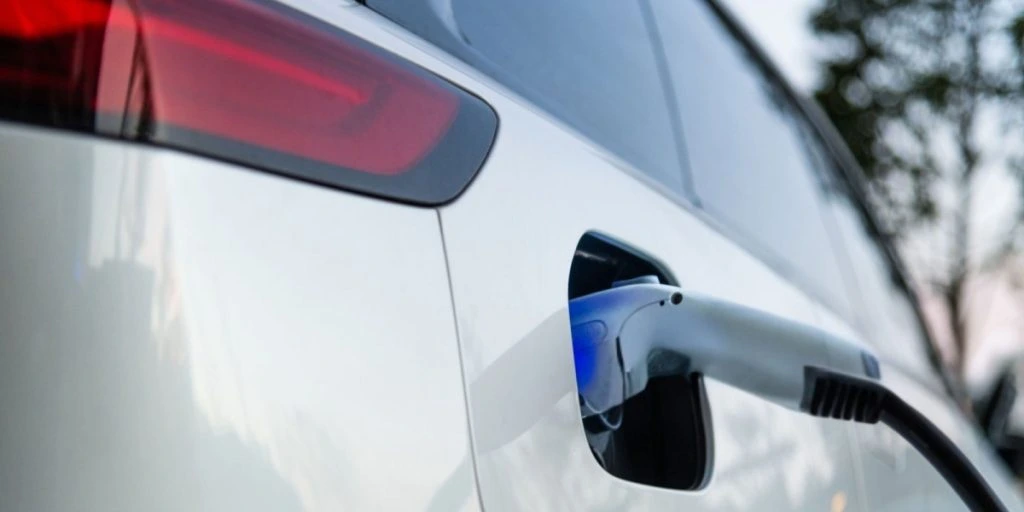
A new proposal from the European Union could reshape the future of electric cars by focusing on affordability rather than performance.


A new proposal from the European Union could reshape the future of electric cars by focusing on affordability rather than performance.
The idea aims to make EVs more accessible, but not without trade-offs.
Key details are still being worked out, leaving uncertainty about how far the changes will go.
A smaller vision
According to Top Gear, the European Commission is exploring a new “E-car” category for compact, low-cost electric vehicles.


These models would be limited in size and performance, helping reduce manufacturing costs.
They may also be allowed to exclude some advanced safety and motorway driver-assist systems currently required in new cars.
However, regulators have yet to define what qualifies as “small” or set firm performance limits.
Incentives in play
The proposal includes incentives designed to encourage manufacturers to build these vehicles. Under the plan, each E-car sold would allow a company to sell 1.3 combustion-engine cars.
Additional support could include subsidies for battery production, as well as potential benefits for buyers such as cheaper parking, according to Top Gear.
Once introduced, the rules are expected to remain unchanged for 10 years to give manufacturers long-term certainty.
Policy shift
The E-car concept is part of a broader adjustment in EU policy. Plans to effectively ban new combustion cars by 2035 have been softened.
Under the revised approach, up to 10 per cent of new cars could still use combustion engines, while credits may also be granted for the use of e-fuels.
Despite this, overall fleet emissions must still fall by 90 per cent compared to 2021 levels.
Industry reaction
Automakers, including Stellantis, have argued that replacing older vehicles is key to reducing emissions.
Across the EU, the average vehicle age is around 12.5 years and rising, meaning newer cars — regardless of powertrain — are typically cleaner and safer.
Some industry voices have suggested that small petrol cars should also be considered, as they can outperform older vehicles on efficiency.
Uncertain rollout
Even after regulations are finalised, new models built to meet the E-car rules are unlikely to arrive quickly. Development timelines mean it could take at least two years before they reach the market.
Availability may also differ outside the EU. As Top Gear notes, countries such as the UK may not see these vehicles unless similar policies are adopted.
Sources: Top Gear, European Commission proposals



