
 Kathrine Frich
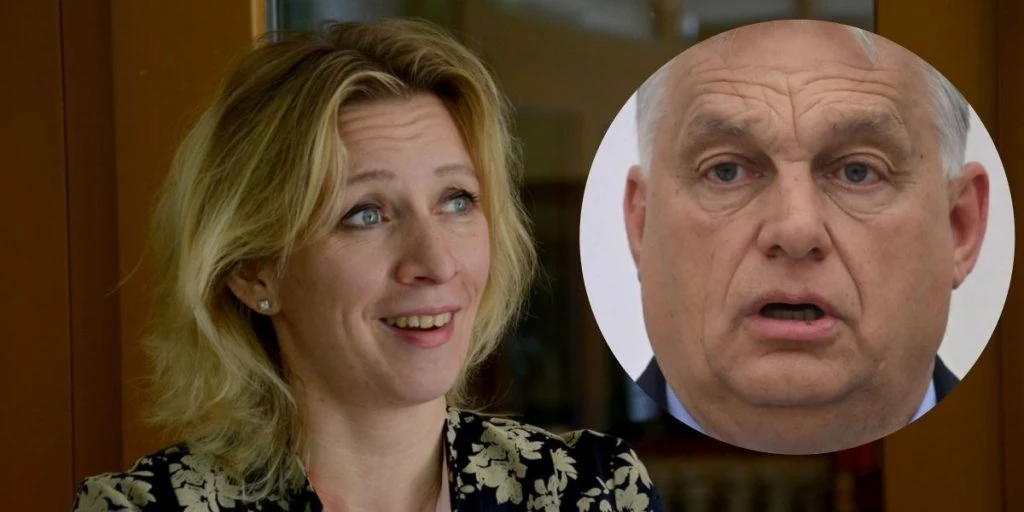
Hungary has long maintained closer ties with Russia than many of its European Union partners.


The government of Viktor Orban has repeatedly taken a more cautious stance on sanctions and cooperation with Moscow.
This relationship has often put Budapest at odds with other EU states, especially since the start of the war in Ukraine.
Now, new allegations and Russia’s swift defense of Hungary are once again highlighting that uneasy partnership.
Moscow backs Budapest
Russian Foreign Ministry spokeswoman Maria Zakharova has publicly defended Hungary’s government, led by Prime Minister Viktor Orban.


Speaking to TASS cited by Digi24, she praised Hungarian leaders for acting independently.
“First of all, we must recognize the merits of its leaders, who have honestly stated over the years that they do not follow Russian or anyone else’s directives,” she said.
Zakharova added that Hungary prioritizes national interests and the needs of its citizens.
EU concerns grow
The comments come after reports that Hungary’s Foreign Minister Peter Szijjarto may have shared sensitive information with Russia.
According to the European Commission, the allegations are “very worrying,” as they relate to closed-door discussions between EU foreign ministers.
Zakharova used the reports to criticize the EU, claiming internal distrust among its members.
Claims and denials
“They present themselves as allies and maintain a notorious pseudo-unity, but in reality they are spying on each other,” she said.
Meanwhile, Szijjarto has denied the accusations. Writing on X, he dismissed the reports as “rumors.”
Additional claims have added to the tensions. The Washington Post reported that Russia’s foreign intelligence service had considered staging an assassination attempt on Viktor Orban as part of a political operation.
The same report alleged that Szijjarto maintained frequent contact with Russian Foreign Minister Sergei Lavrov, sharing updates from EU meetings.
Those claims have not been independently confirmed.
Sources: EFE, TASS, European Commission, The Washington Post



