
 Asger Risom
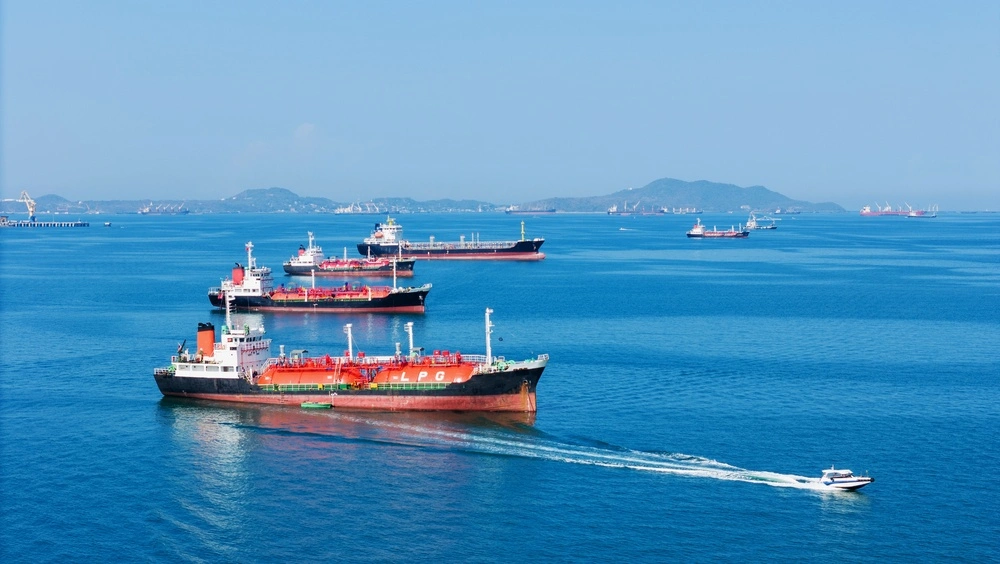
A US naval blockade targeting Iran is disrupting one of the world’s most vital energy routes, raising the risk of higher oil prices, global supply shocks and wider economic fallout.
A US naval blockade targeting Iranian shipping is beginning to disrupt one of the world’s most critical trade routes, raising fears of rising energy prices and wider economic instability.
The move is designed to pressure Tehran by cutting off key revenue streams—but its effects are already being felt far beyond the region.
Pressure on Iran
According to the BBC, The United States has imposed restrictions on ships traveling to and from Iranian ports following failed negotiations and amid a fragile ceasefire.
The strategy targets Iran’s core economic lifelines, particularly oil exports and maritime revenues linked to the Strait of Hormuz. US forces have already intercepted vessels and forced others to turn back, tightening control over Iran’s access to global markets.


Iran has condemned the move as “piracy” and warned of retaliation, signaling that tensions could escalate further.
A global chokepoint
The Strait of Hormuz remains one of the most important arteries in the global economy.
Around a fifth of the world’s energy supply passes through the narrow waterway, meaning even limited disruption can send shockwaves through international markets. Shipping traffic has already dropped sharply, reflecting rising security risks and uncertainty.
US forces are enforcing the blockade from key transit areas such as the Gulf of Oman, using warships, aircraft and surveillance systems to track and intercept vessels beyond Iranian waters. Operations have included helicopter-led boarding missions, underlining the scale of the effort.
Economic and geopolitical risks
The consequences of the blockade extend far beyond Iran.
Energy prices have already shown signs of volatility, with Asia particularly exposed due to its reliance on oil flows through the region. China, a major buyer of Iranian crude, could face supply disruptions, while other economies risk knock-on effects across fuel, food and industrial sectors.
At the same time, the blockade increases the risk of military escalation. Iran has threatened to restrict access to the strait, and any breakdown of the ceasefire could draw in regional powers and deepen the conflict.
The longer the standoff continues, the greater the risk that a targeted economic move turns into a broader global crisis.
Sources: BBC, Digi24



