
 Edith Hejberg
The intelligence dossier says some aides are now monitored even inside their homes.


The Kremlin has dramatically expanded security measures around Russian President Vladimir Putin, according to a European intelligence report obtained by CNN. The dossier describes a leadership increasingly worried about internal instability, assassination attempts and even the possibility of a coup.
The measures include tighter surveillance of staff, stricter movement controls and wider use of secure facilities. The report paints a picture of a government growing more isolated as Russia’s war in Ukraine drags into its fifth year.
Staff face strict new restrictions
People working closely with Putin are now under far tighter control, the report says. Cooks, bodyguards and photographers linked to the president are reportedly banned from using public transport.
Visitors to the Kremlin leader must pass through two rounds of screening before meeting him. Staff members close to Putin are also limited to using phones without internet access, in an effort to prevent leaks or cyber threats.


The intelligence dossier says some aides are now monitored even inside their homes.
Assassinations sparked new fears
The latest security crackdown reportedly followed a series of killings targeting senior Russian military figures. One key moment came after the death of Lieutenant General Fanil Sarvarov in Moscow in December 2025.
The report claims the assassination exposed deep weaknesses in Russia’s internal security system. It also triggered angry disputes among military and intelligence officials over who was responsible for protecting senior commanders.
The fallout appears to have pushed the Kremlin into a rapid overhaul of Putin’s protection protocols.
Putin’s travel has sharply decreased

According to the report, Russian security officials have drastically reduced the number of locations Putin visits regularly.
He and his family have reportedly stopped spending time at their usual residences near Moscow and at Valdai, his secluded property between Moscow and St. Petersburg.
The dossier also claims Putin has not visited a military facility at all this year, despite making regular appearances at bases in 2025.
Pre-recorded appearances replace public events
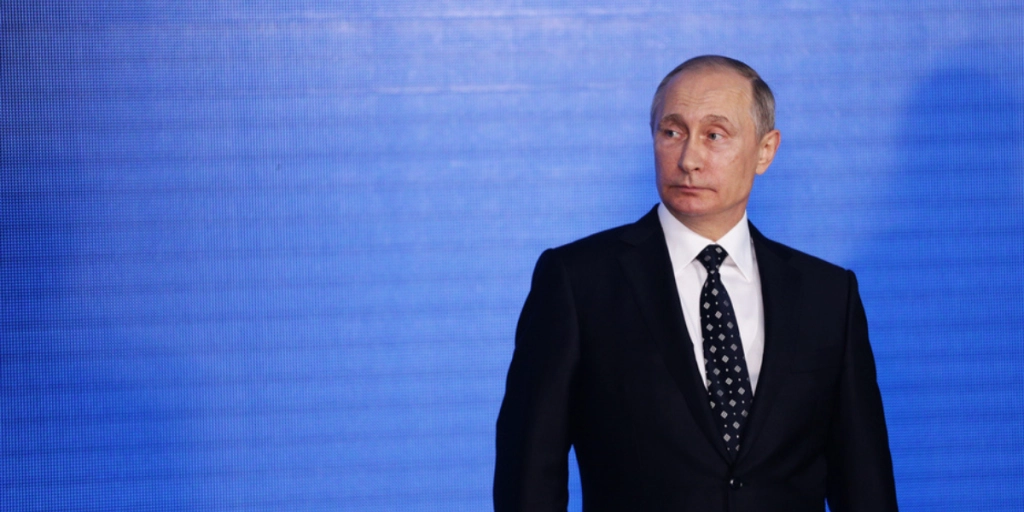
To maintain the image of an active leader, the Kremlin is allegedly relying more heavily on pre-recorded footage of Putin.
The report says some videos released publicly are filmed in advance to conceal restrictions on his movements. Russian officials have long denied speculation about Putin’s isolation, but concerns about his security appear to be growing.
Even before the Ukraine invasion, Putin became known for distancing himself physically from visitors during the Covid-19 pandemic.
Life inside upgraded bunkers

Since the invasion of Ukraine in 2022, Putin has reportedly spent extended periods inside upgraded bunker complexes.
The intelligence report says he often stays in Krasnodar, a region near the Black Sea several hours from Moscow. These facilities were reportedly modernized to support long-term stays and secure communications.
The use of bunkers reflects fears not only of military threats, but also potential instability inside Russia itself.
Mounting pressure from the Ukraine war
Russia continues to suffer enormous losses in Ukraine. Western estimates place Russian casualties at around 30,000 dead and injured every month.
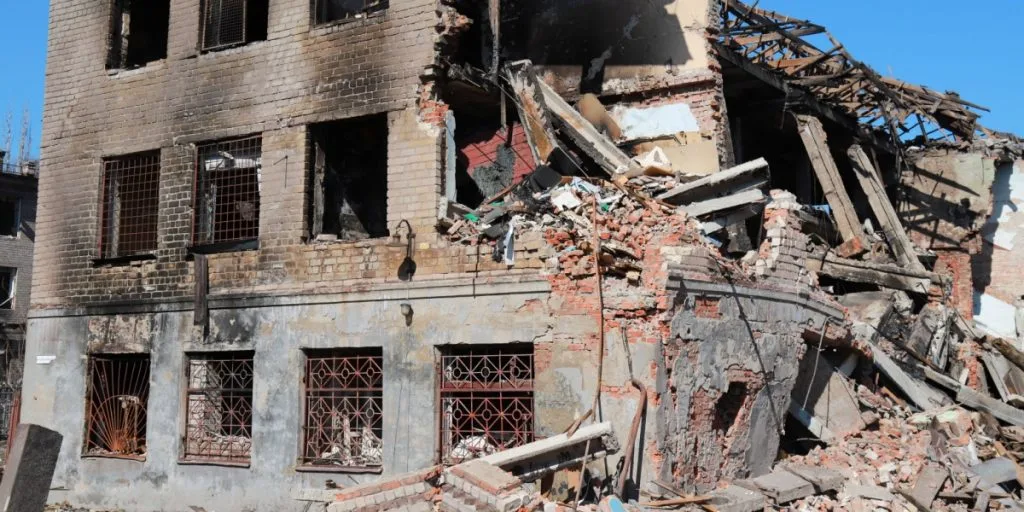
At the same time, territorial gains have remained limited. Ukraine has also intensified drone attacks deep inside Russian territory, including strikes targeting Moscow.
One recent drone attack reportedly hit a luxury apartment building in western central Moscow, highlighting how the conflict is increasingly reaching Russia’s urban elite.
Economic strain fuels public frustration

The economic impact of the war is becoming harder for ordinary Russians to ignore.
The report notes that repeated cellphone data outages in major cities have frustrated even pro-Kremlin residents. Problems once largely hidden from wealthy urban populations are now becoming more visible.
As the war drags on, the Kremlin appears increasingly concerned that dissatisfaction could spread beyond isolated critics and opposition figures.
Coup fears inside the Kremlin
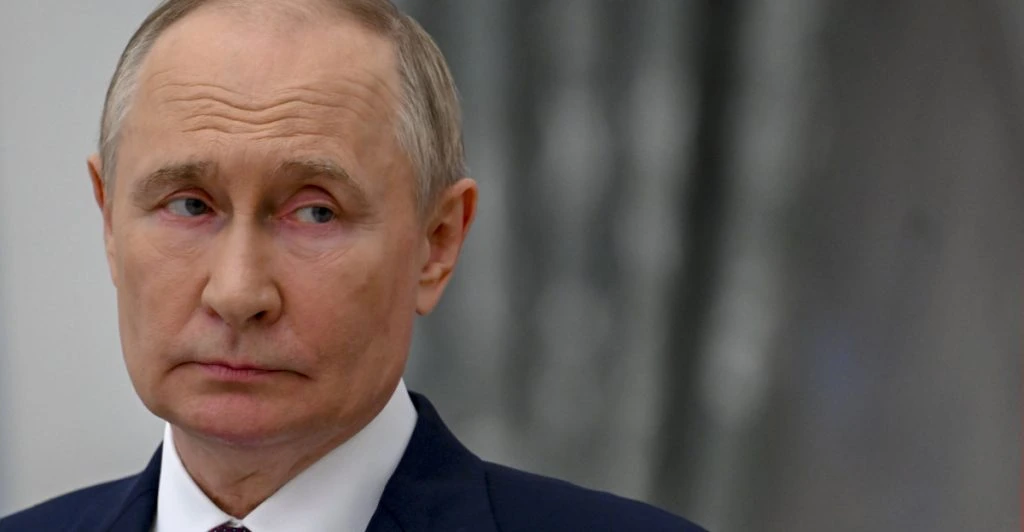
One of the report’s most striking claims is that the Kremlin fears a possible coup attempt against Putin.
The dossier says that since March 2026, Russian authorities have worried about leaks of sensitive information and plots involving members of Russia’s own political elite.
Putin is reportedly especially concerned about the use of drones in a possible assassination attempt.
Shoigu identified as a possible threat

Former Defense Minister Sergei Shoigu is singled out in the report as a potential political danger.
Although Shoigu now serves as secretary of Russia’s Security Council, the dossier says he still maintains strong influence within the military leadership. Intelligence officials reportedly view him as connected to “the risk of a coup.”
The report also links growing tensions to the arrest of Shoigu’s former deputy, Ruslan Tsalikov, on corruption charges earlier this year.
A tense Kremlin meeting exposed divisions

Following Sarvarov’s assassination, Putin reportedly summoned senior military and intelligence officials to an emergency meeting in late December 2025.
The report describes a heated exchange between Chief of the General Staff Valery Gerasimov and FSB chief Alexander Bortnikov. Gerasimov allegedly accused the security services of failing to protect military officers.
Bortnikov reportedly responded that his agency lacked the personnel and resources needed to provide broader protection.
Putin expands elite security protection

After the tense meeting, Putin reportedly ordered a rapid expansion of the Federal Protection Service, or FSO.
Previously, the FSO only protected a limited number of senior officials, including Gerasimov. Under the new measures, protection was extended to 10 additional high-ranking commanders.
The report claims Putin’s own personal security upgrades were introduced shortly afterward, reflecting growing anxiety inside the Kremlin leadership.
Europe sees signs of instability

Western intelligence agencies rarely release detailed information about confidential Kremlin discussions. Analysts say the leak itself may be intended to expose divisions and uncertainty within Russia’s ruling elite.
The report cannot independently verify every claim, and CNN says it has contacted the Kremlin for comment.
Still, the dossier reflects a broader belief among European officials that internal pressure, military losses and political mistrust are creating growing instability around Putin’s government.



