
 Edith Hejberg

Although Rubio attempted to present the troop move as routine, European officials remain uneasy.


US Secretary of State Marco Rubio sought to ease concerns on Friday after the Pentagon announced plans to withdraw 5,000 American troops from Germany. Speaking in Rome, Rubio insisted the move was not part of a broader effort to weaken NATO or pull away from Europe.
His remarks came as tensions continue to grow between President Donald Trump and several European allies over defense spending and support linked to the US conflict with Iran.
Trump’s criticism of NATO still hangs over Europe

Although Rubio attempted to present the troop move as routine, European officials remain uneasy. Trump has repeatedly criticized NATO members, accusing them of failing to support the United States strongly enough during the Iran conflict.
That frustration has fueled concerns that Washington may scale back its military role across Europe, leaving allies uncertain about America’s long-term commitment to the alliance.


Pentagon says the reduction was already planned
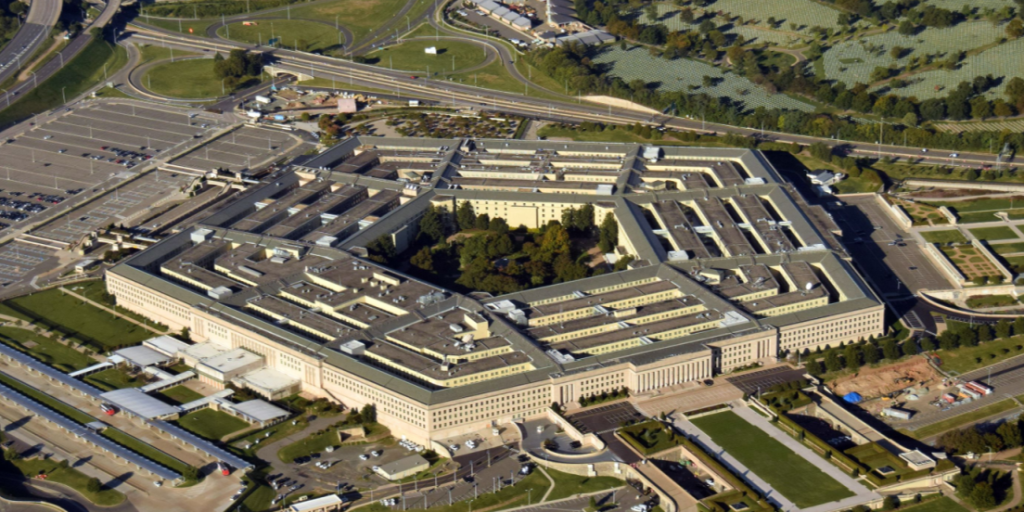
Rubio stressed that the withdrawal from Germany was not sudden or politically motivated. According to him, the reduction had already been scheduled before recent tensions intensified.
“The troops represent less than 14% of our total troop presence there,” Rubio said during a press conference in Rome.
He argued the shift simply returns US troop levels to where they stood in 2022.
Germany also plays down the decision

German Chancellor Friedrich Merz has also tried to minimize concerns surrounding the troop withdrawal. Merz, who recently drew Trump’s anger over comments tied to the Iran war, has avoided escalating the issue publicly.
Both Berlin and Washington appear eager to prevent the move from turning into a wider diplomatic crisis inside NATO.
Rubio says NATO troop shifts are normal

According to Rubio, military adjustments inside NATO are common and part of broader planning efforts.
“There was always a plan to do some shifting within NATO,” he explained.
Still, many European officials believe the timing of the move sends a troubling political signal, especially given Trump’s repeated threats toward allies.
European leaders worry about what comes next
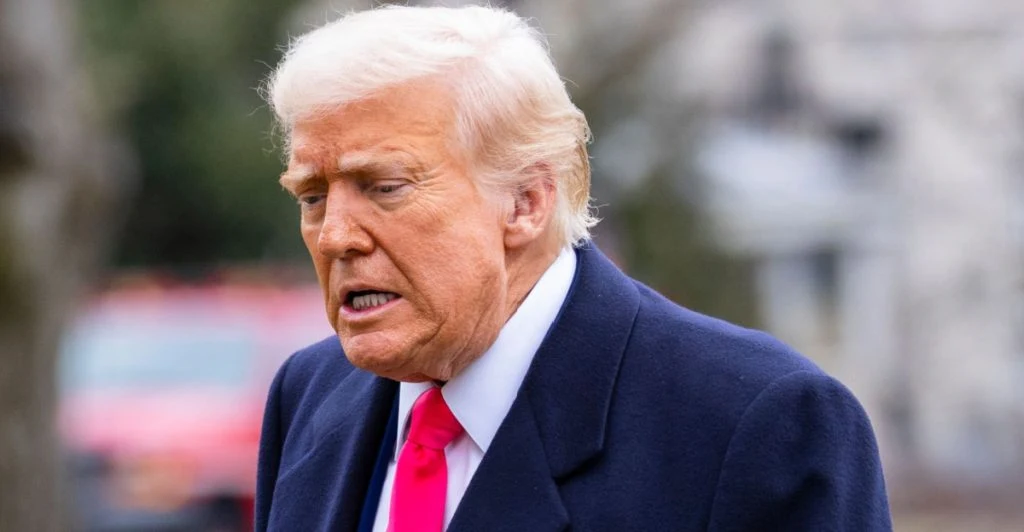
While the current reduction is limited, European governments fear it could open the door to much larger cuts in the future.
Trump has openly floated the possibility of reducing US troop numbers across Europe. Allies say they often receive little warning about White House decisions, making it difficult to prepare for major policy shifts.
NATO efforts have not eased Trump’s anger
NATO Secretary General Mark Rutte and other alliance officials have highlighted European contributions to international security, including efforts to protect shipping routes in the Strait of Hormuz.
Those efforts, however, appear to have done little to soften Trump’s criticism of the alliance. European leaders worry the administration increasingly sees NATO as a burden rather than a strategic partnership.
Rubio echoes concerns about alliance support
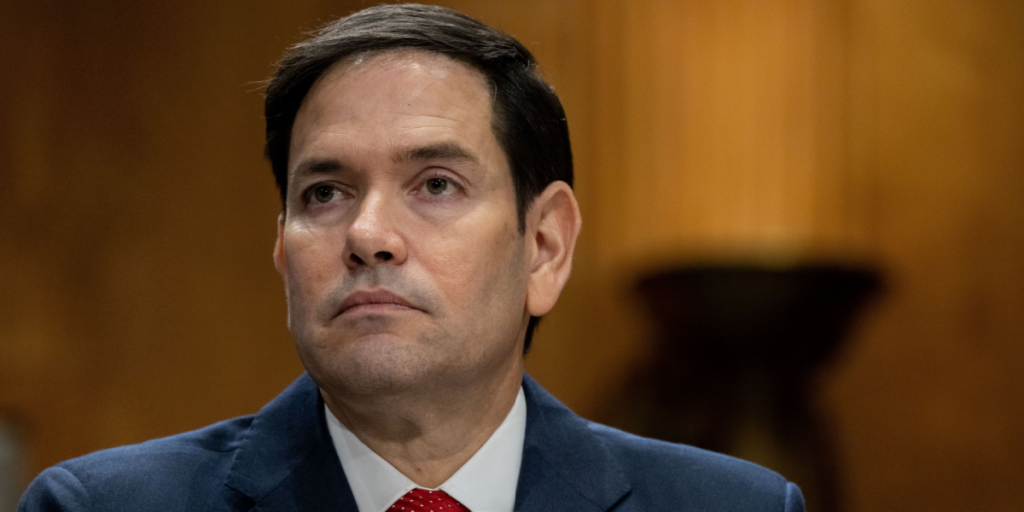
Although Rubio defended NATO overall, he also repeated some of Trump’s frustrations.
“If one of the main reasons why the US is in NATO is the ability to have forces deployed in Europe that we can project to other contingencies, and now that’s no longer the case – at least when it comes to some NATO members, that’s a problem and has to be examined,” Rubio said.
His comments suggested the administration is still actively reviewing the future US military role in Europe.
No final decision has been made
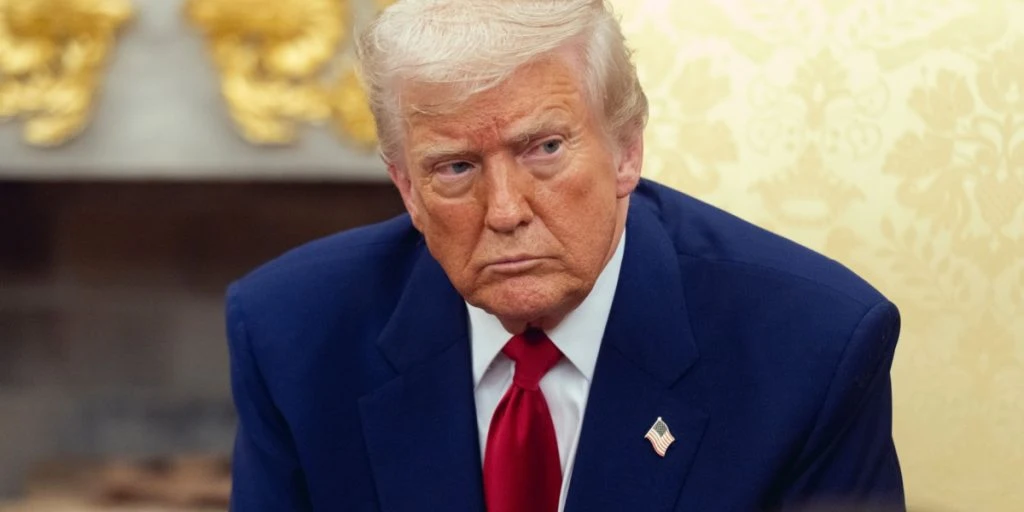
Rubio emphasized that Trump has not yet decided whether to remove more troops from Europe or take broader action against NATO allies.
“Ultimately, that’s a decision for the president to make,” Rubio said.
He added that advisers, including himself, would present possible options to Trump before any final move is made.
Italy discussions avoided specific troop questions

During his visit to Rome, Rubio met with Italian Prime Minister Giorgia Meloni. He later said the two leaders did not discuss possible troop withdrawals from Italy or a potential US exit from NATO.
Rubio has long supported the alliance and previously helped sponsor legislation aimed at preventing any president from withdrawing from NATO without congressional approval.
Washington stresses continued cooperation
Despite the uncertainty, the US State Department said Rubio and Meloni discussed the need for strong transatlantic cooperation.
According to the official readout, both sides emphasized “the importance of continued transatlantic collaboration to address global threats.”
The statement appeared designed to reassure allies that diplomatic ties remain intact despite growing tensions.
Meloni calls for unity among allies

After the meeting, Meloni posted a message on X describing the talks as open but constructive.
“A frank dialogue,” Meloni wrote, “between allies who defend their own national interests but who both know how precious Western unity is.”
Her comments reflected the delicate balancing act facing European leaders as they try to preserve relations with Washington while responding to Trump’s increasingly confrontational stance.
Europe watches Washington carefully
For many European officials, Rubio’s comments provided only limited reassurance. While no major decision has yet been announced, uncertainty over America’s future military presence in Europe continues to grow.
As Trump weighs his next move, NATO allies are left watching closely and preparing for the possibility of deeper changes to the transatlantic alliance.



