
 Kenneth Glad
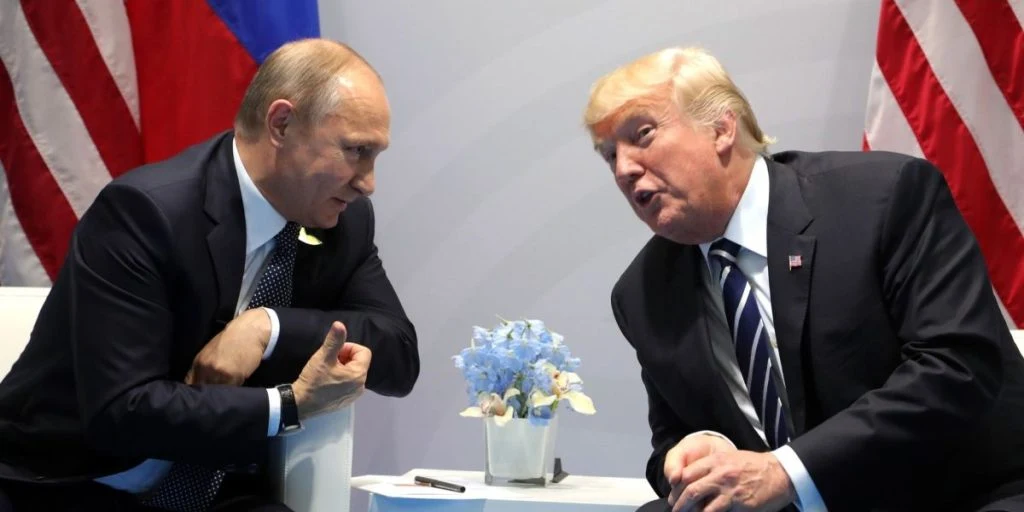
The situation has prompted broader discussion among observers and commentators. Attention has focused on how the conflict is being framed as it develops.


The US-Israeli campaign against Iranian facilities is being watched not only for its military impact, but for the way it is being explained. As the operation widens, analysts are looking closely at the language, expectations and shifting goals surrounding it.
A recent analysis by The Guardian argues that the comparison some observers draw with Russia’s war in Ukraine is less about scale than about the patterns that often appear when governments enter conflict.
The first warnings
The strikes were initially presented as a targeted effort to curb Iran’s nuclear and missile capabilities. But the debate around them has quickly moved beyond military targets and toward the larger question of where the campaign could lead.
That concern has been sharpened by outside analysis. Danny Citrinowicz of the Atlantic Council warned that “when strategic goals become too ambitious or unrealistic, even a successful military campaign can gradually slide into a war of attrition”.


Click to display external content from twitter,
- You can always enable and disable third-party content.

You agree to display external third-party content. Personal data may be sent to the provider of the content and other third-party services.
He added that a campaign needs clear and measurable aims if it is to avoid drifting into something much longer. Retired Russian diplomat Vladimir Frolov answered with a brief line that captured the comparison many were already making: “Sounds familiar”.
A familiar script
The British newspaper’s analysis notes that rhetoric has become part of the story. US Defence Secretary Pete Hegseth said the United States “didn’t start this war, but under President Trump, we are finishing it”.
That phrasing drew attention because it resembles words used by Russian President Vladimir Putin early in the Ukraine invasion. In February 2022, Putin said: “We didn’t start the so-called war in Ukraine. We are trying to finish it.”
Language matters in wartime because it helps shape public consent. Russia has long insisted on calling its invasion a “special military operation”, while in Washington some officials have used narrower terms as well. House Speaker Mike Johnson recently described the US action as “a limited operation”.
Goals keep moving
Another point raised in The Guardian analysis is the way official aims appear to expand over time. Early messaging centered on military pressure and prevention. More recent statements have gone further.
Trump has said Iran’s rulers should be replaced and has called for Tehran’s “unconditional surrender”. That has fueled questions about whether the campaign is still limited or becoming something broader.
The article draws a parallel with Russia’s changing justifications in Ukraine. Moscow began with talk of “demilitarisation and denazification”, then increasingly framed the war around territory and the protection of Russian speakers. Different wars, but, for some observers, a recognizable progression.
Sources: The Guardian, Danny Citrinowicz on X



