
 Kenneth Glad
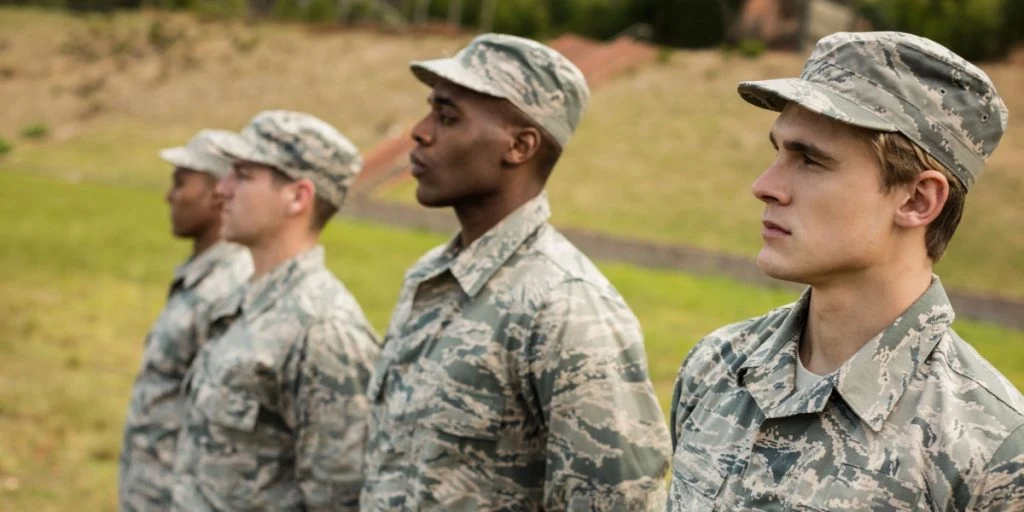
Recent discussions have renewed attention around how the country’s draft registration rules apply to people living in the United States.


Geopolitical tensions involving Iran have triggered renewed speculation online about whether the United States might reinstate the military draft. Viral posts have suggested young Americans could soon be required to serve.
But much of the discussion leaves out a key detail. As Newsner reports, the United States already maintains a registry tied to a potential draft, and the requirement applies to many people who are not U.S. citizens.
Under federal law, most men living in the United States between the ages of 18 and 25 must register with the Selective Service System. The rule covers citizens as well as many immigrants residing in the country.
Who must register
The outlet also writes that undocumented men in that age group are required to sign up. The Selective Service explains the policy directly in its official FAQ: “Yes. All undocumented males 18 through 25 years of age, other than those admitted on non-immigrant visas, must register, whether or not they have a green card.”


Registration alone does not place someone in military service. Instead, the registry creates a pool of potential recruits that could be used if Congress and the president ever approved conscription during a national emergency.
Selective Service officials say the database exists purely as a contingency plan in case lawmakers authorize a draft. Each year, millions of young men are added as they turn 18.
A system that remains
The framework behind the registry, however, has been part of U.S. law for more than a century. The country first introduced a national draft during World War I and expanded the system during World War II.
Conscription continued through much of the Cold War and was used extensively during the Vietnam War, when a lottery determined the order in which eligible men might be called to serve.
The draft ended in 1973 when the United States transitioned to an all-volunteer military. Even so, lawmakers kept the Selective Service registration requirement in place as a safeguard in case a future national emergency required rapid mobilization.
Debate about the system still surfaces occasionally in Washington. Some lawmakers have proposed expanding registration to include women, while others argue the registry is outdated and should be abolished entirely.
Penalties and exceptions
According to the Selective Service System, individuals who fail to register may face fines of up to $250,000 or prison sentences of up to five years. There are also practical consequences. People who do not register can lose eligibility for certain federal jobs, training programs and some forms of student financial aid. For immigrants, failing to register can delay the path to U.S. citizenship.
Not everyone living in the United States falls under the rule. Temporary visitors such as tourists and many international students are generally excluded because they are not permanent residents.
Other exceptions reflect long-standing policy considerations in U.S. draft law. Religious service, certain family protections and existing military commitments have historically been factors when determining who might ultimately be called to serve.
For most Americans, the Selective Service registry stays far from public attention. Interest in it tends to rise only during moments of international tension, when questions about the possibility of a draft return to public conversation.
Sources: Newsner; Selective Service System website



