Kenneth Glad
A surge in regional conflicts has sharpened fears of a wider confrontation between major powers. From Eastern Europe to the Middle East, tensions are spreading across multiple fronts.
Some analysts argue the global system is evolving in a way that makes a single, all-encompassing war less likely — even if violence itself is not declining.
Rather than moving toward one defining clash, today’s conflicts appear increasingly disconnected. That fragmentation, according to experts cited by Danish broadcaster TV 2, changes how escalation works.
Ole Wæver of the University of Copenhagen points to a key difference from recent years. Previous US strategy, especially under Joe Biden, focused on aligning allies into clearer blocs — for example, coordinating Europe on Ukraine while building pressure on China.
That kind of structure can raise the stakes between major powers. Without it, conflicts may remain contained, even when they intensify locally. The picture, however, is more complicated than simply “safer.”


Leverage and limits
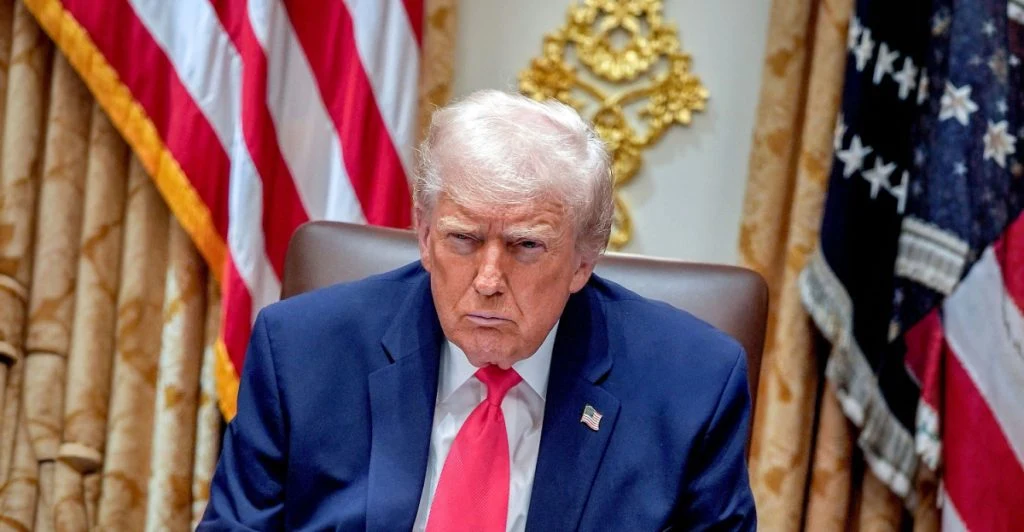
Donald Trump’s approach to foreign policy plays into this shift, though not necessarily by design.
His skepticism toward NATO, the EU and the United Nations reflects a broader preference for one-on-one negotiations over multilateral frameworks.
As outlined in TV 2’s reporting, this reduces the constraints that alliances place on powerful states.
Rasmus Brun Pedersen of Aarhus University argues that such institutions tend to strengthen smaller countries by binding larger ones to shared rules.
Removing or weakening those structures can tilt the balance back. It allows Washington to deal directly with individual states, applying pressure more selectively and, at times, more forcefully.
The administration has also distanced itself from parts of the UN system and floated alternatives, including a largely symbolic initiative dubbed the “Board of Peace,” underscoring a willingness to bypass established forums.
Europe in between
For European countries, this shift carries mixed implications. NATO has long functioned as a security anchor, but uncertainty around US commitment forces governments to rethink their position.
A less predictable alliance structure may reduce the chance of a rapid, bloc-driven escalation. At the same time, it leaves smaller states more exposed in bilateral dealings with larger powers.
Pedersen describes Trump’s record in stark terms: “Trump has been a bloodthirsty president.” The remark reflects criticism of extensive US military engagement, even as formal alliances lose importance.
What emerges is not a more peaceful order, but a looser and less coordinated one.
Wæver suggests the decline of strong international frameworks has made it harder to manage crises collectively, opening space for regional actors to assert themselves.
Instead of one major confrontation, the world is drifting toward a patchwork of conflicts — harder to unify, but also harder to contain in the long run.
Sources: TV 2 Denmark