
 Mikkel Christensen
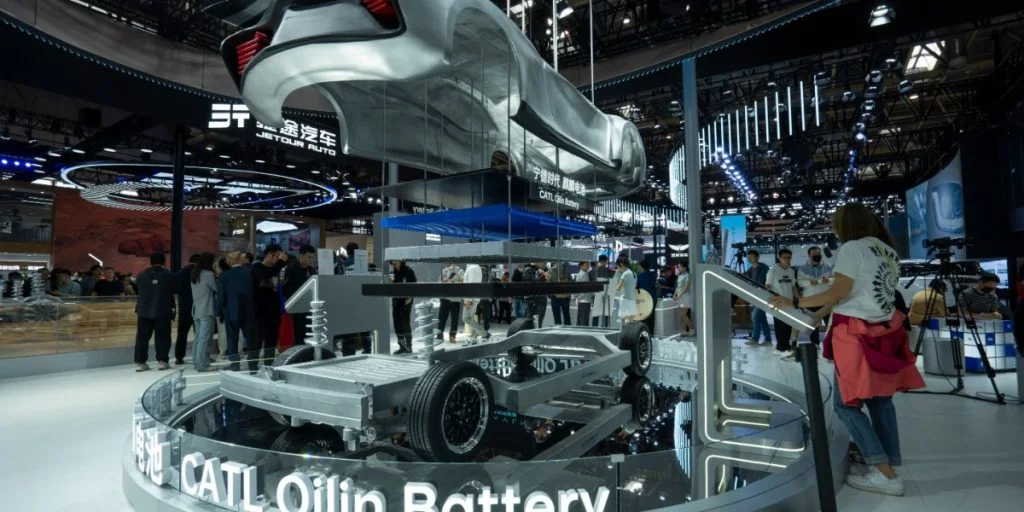
A new battery design from China could significantly extend the range of electric vehicles while improving performance in extreme conditions.


A new battery design from China could significantly extend the range of electric vehicles while improving performance in extreme conditions.
The development comes as countries and companies race to build more efficient energy storage systems to support the shift away from fossil fuels.
According to BGR, the latest research suggests lithium-metal batteries may finally be moving closer to practical use.
A race for range
Longer-lasting batteries are seen as key to making electric vehicles more competitive, particularly for long-distance travel and cold climates.


The new design could deliver energy densities far beyond current EV batteries, potentially allowing vehicles to travel much farther on a single charge.
It may also benefit industries such as drones and remote operations, where weight and efficiency are critical.
Rethinking the chemistry
Researchers at Nankai University focused on improving how lithium ions move within the battery, targeting a long-standing limitation in electrolyte performance.
By adjusting how ions interact inside the system, they reduced resistance and improved the flow of charge between components.
The design also replaces graphite with lithium metal, increasing energy capacity while reducing unnecessary material.
Solving a key problem
One of the biggest challenges in lithium-metal batteries has been the formation of dendrites, which can cause short circuits.
The new approach helps lithium deposit more evenly during charging, lowering the risk of these needle-like structures forming.
At the same time, the system maintains performance in very low temperatures, where traditional batteries often struggle.
Limits remain
Despite the progress, the technology is still being tested under controlled laboratory conditions.
Questions remain about long-term durability, efficiency over many charging cycles and potential safety concerns.
As BGR reports, further development and large-scale testing will be needed before the batteries can reach commercial markets.
Sources: BGR



