
 Mikkel Christensen
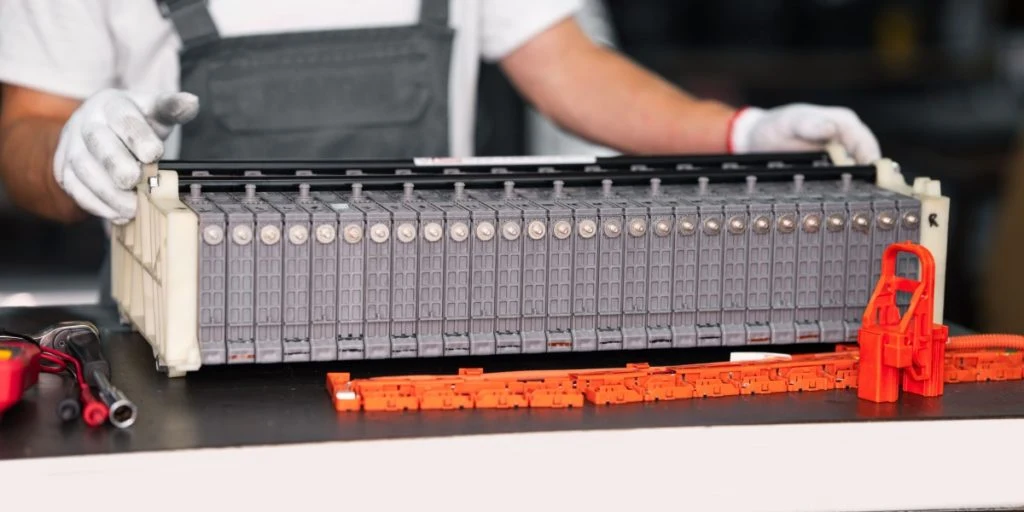
Electric vehicles are advancing rapidly, with manufacturers emphasizing range and charging speed in new releases.


Electric vehicles are advancing rapidly, with manufacturers emphasizing range and charging speed in new releases. Battery capacity figures often dominate marketing materials and consumer comparisons.
However, overall battery size tells only part of the story. The individual components inside each battery pack play a critical role in determining performance, durability, and safety.
Batteries Are Built From Multiple Key Parts
An EV battery consists of components such as the cathode, anode, and electrolyte. These elements work together to store and release energy.
Incremental improvements in any of these materials can meaningfully affect energy density and efficiency.


Material Quality Shapes Performance
Battery developers focus on increasing energy density while maintaining chemical stability. The composition of materials directly influences how much energy can be stored in a given space.
Durability under repeated charge cycles depends heavily on the structural integrity of these materials.
Longevity and Safety Remain Central Concerns
Over time, charging and discharging gradually degrade battery components. Higher-quality materials can slow that degradation and preserve capacity longer.
Thermal stability is also critical, as batteries must withstand high energy levels and temperature fluctuations without compromising safety.
Supply Chains Influence Innovation
Access to lithium, nickel, and other essential materials affects both cost and production scalability.
Advancements in component efficiency may reduce reliance on scarce materials and improve manufacturing processes.
Future Gains Depend on Better Components
While total battery capacity often receives the most attention, the next phase of EV development is likely to depend on improvements at the component level.
Enhanced battery parts could enable longer range, faster charging, and improved long-term reliability across future electric vehicle generations.
Source: ArenaEV



