
 Mikkel Christensen

Switching to an electric vehicle can feel like a big step for many drivers.
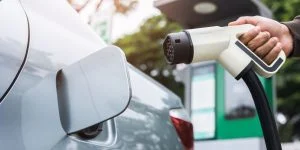

Switching to an electric vehicle can feel like a big step for many drivers. Charging routines, driving range and unfamiliar features often raise questions for first-time owners.
But once drivers understand the basics, experts say the learning curve becomes much easier. According to AOL, several simple tips can help new EV drivers adjust quickly to electric car ownership.
Different vehicle types
Before choosing an electric vehicle, it helps to understand the different types of electrified cars available.
According to AOL, hybrids combine a petrol engine with an electric motor to improve fuel efficiency and do not need to be plugged in.


Plug-in hybrids can run on electricity for shorter distances before switching to petrol, while fully electric vehicles rely entirely on battery power and do not use gasoline.
Unique driving features
Electric cars often include features that may feel unfamiliar at first.
One example is regenerative braking, which recovers energy when the vehicle slows down. Some models expand on this with “one-pedal driving,” allowing the car to slow or stop when the driver lifts off the accelerator.
Many EVs also use large touchscreens to control vehicle settings and may feature unusual door handles or different starting systems compared with traditional cars.
Range can vary
Electric vehicles usually come with an estimated driving range, but real-world conditions can affect how far the car can travel.
Temperature, driving speed, road conditions and the use of heating or air conditioning can all influence battery range.
Manufacturers also often recommend charging the battery to about 80 percent for daily use to help preserve long-term battery health.
Charging and trips
There are three main charging methods for electric vehicles: Level 1, Level 2 and DC fast charging.
Level 1 charging uses a standard household outlet and is the slowest option. Level 2 chargers are faster and commonly installed at home, while DC fast chargers at public stations can add significant range in about 30 minutes.
According to AOL, longer trips may require extra planning, including locating charging stations along the route using navigation tools or apps such as PlugShare.
Sources: AOL



