
 Kenneth Glad
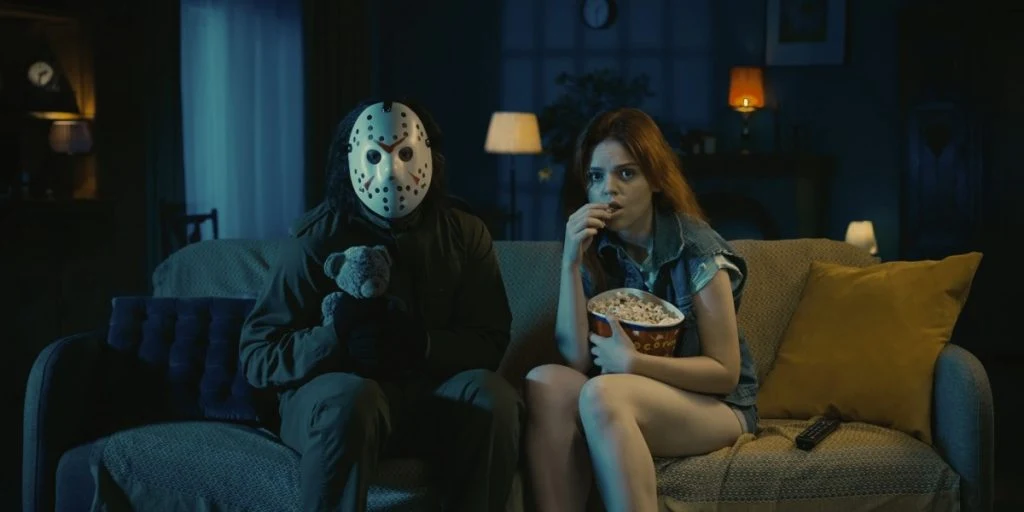
Across decades and continents, these films have unsettled audiences in radically different ways. What unites them is simple: millions of viewers agree they belong at the very top.

Horror evolves. It mutates with culture, fear, politics, technology, and the human psyche.
From gothic immortality to cosmic terror, from intimate psychological breakdowns to apocalyptic collapse — these are the 30 highest-rated horror films on IMDb, counted down to the most revered of them all.
30 — Interview with the Vampire (1994, USA)
Velvet curtains. Candlelight. Rooms that feel heavy with memory.
Neil Jordan leans into mood before momentum. Louis narrates immortality not as fantasy, but as fatigue — years stacking into decades, decades into something harder to name.


Claudia’s storyline adds a sharper edge: Eternal childhood as confinement. The horror here isn’t urgency. It’s duration.
Click to display external content from instagram,
- You can always enable and disable third-party content.

You agree to display external third-party content. Personal data may be sent to the provider of the content and other third-party services.
29 — Zombieland (2009, USA)
The jokes are fast, the kills inventive, the rules neatly structured. But the film’s pulse is quieter than it first appears.
Empty highways and abandoned amusement parks do more emotional work than the splatter.
It’s a road movie disguised as a zombie comedy — and it knows that companionship, even improvised companionship, is what keeps people moving.
Click to display external content from instagram,
- You can always enable and disable third-party content.
You agree to display external third-party content. Personal data may be sent to the provider of the content and other third-party services.
28 — The Conjuring (2013, USA)
James Wan stretches tension patiently. A doorframe lingers in the background. A sheet moves slightly. The clap-game sequence is staged with deliberate pacing — no rush to payoff.
Few studio horror films since have been this patient with space and silence. It trusts atmosphere.
Click to display external content from instagram,
- You can always enable and disable third-party content.
You agree to display external third-party content. Personal data may be sent to the provider of the content and other third-party services.
27 — A Quiet Place (2018, USA)
The opening minutes are almost wordless. Sand on the floor. Bare feet. A toy spaceship that shouldn’t make noise.
The film builds suspense from ordinary objects — a nail on a stair, a loose floorboard, a lantern that sways just enough to matter.
It’s tightly engineered, but the emotional center — parents recalibrating their entire existence around protection — gives it weight.
Click to display external content from instagram,
- You can always enable and disable third-party content.
You agree to display external third-party content. Personal data may be sent to the provider of the content and other third-party services.
26 — 28 Days Later (2002, UK)
Shot on early digital cameras, it looks rough — blown-out skies, harsh light, pixelated edges. That texture helps. London doesn’t feel cinematic: It feels abandoned.
When the infected sprint into frame, the shock is immediate. But the later military compound scenes shift the tone entirely. Authority takes shape. Control is asserted.
The unease becomes colder and more deliberate. It’s not just infection anymore — it’s what people justify when systems collapse.
Click to display external content from instagram,
- You can always enable and disable third-party content.
You agree to display external third-party content. Personal data may be sent to the provider of the content and other third-party services.
25 — Eyes Without a Face (1960, France)
The mask is what stays with you. Smooth. Expressionless. Almost serene.
Franju films surgical procedures with calm precision, refusing melodrama.
The sterile interiors contrast with the emotional desperation underneath. It’s controlled filmmaking, and that restraint makes the violence more jarring.
Click to display external content from instagram,
- You can always enable and disable third-party content.
You agree to display external third-party content. Personal data may be sent to the provider of the content and other third-party services.
24 — One Cut of the Dead (2017, Japan)
At first, it feels chaotic — uneven performances, awkward timing, technical mishaps. Then it reveals the design behind the chaos.
The long opening take transforms from gimmick into foundation. By the time the structure unfolds, it becomes a film about collective effort under pressure. Not just horror — process.
Click to display external content from instagram,
- You can always enable and disable third-party content.
You agree to display external third-party content. Personal data may be sent to the provider of the content and other third-party services.
23 — The Birds (1963, USA)
There’s something stubborn about this film. No mythology. No explanation. Just birds gathering, watching, attacking.
The playground scene stretches so long you start scanning the frame yourself. Hitchcock doesn’t guide you gently. He lets the discomfort sit.
Click to display external content from instagram,
- You can always enable and disable third-party content.
You agree to display external third-party content. Personal data may be sent to the provider of the content and other third-party services.
22 — The Fly (1986, USA)
The transformation is incremental. Fingernails loosen. Teeth shift. Confidence fades.
Cronenberg doesn’t rush the deterioration. The horror unfolds like illness — something humiliating and inevitable.
The relationship at the center grounds it; Without that, it would just be spectacle.
Click to display external content from instagram,
- You can always enable and disable third-party content.
You agree to display external third-party content. Personal data may be sent to the provider of the content and other third-party services.
21 — Saw (2004, USA)
Two men chained in a grimy room. A tape recorder clicks on. That’s the setup.
The structure is surprisingly tight. Flashbacks aren’t filler. They reposition what you thought you understood.
Whatever came after, the original is disciplined.
Click to display external content from instagram,
- You can always enable and disable third-party content.
You agree to display external third-party content. Personal data may be sent to the provider of the content and other third-party services.
20 — The Others (2001, Spain/USA)
Curtains drawn. Doors locked. Light rationed carefully.
Nicole Kidman plays it restrained — almost brittle. The reveal reframes the narrative, yes, but what lingers is the mood: Heavy air, long pauses, a house that feels sealed off from the world.
Click to display external content from instagram,
- You can always enable and disable third-party content.
You agree to display external third-party content. Personal data may be sent to the provider of the content and other third-party services.
19 — Train to Busan (2016, South Korea)
The train setting creates propulsion, but it’s the pauses that hit hardest. A father hesitates before opening a door. A character chooses who to pull inside. Arguments erupt in narrow corridors while chaos pounds against the windows.
The action is kinetic — smashed glass, bodies forcing entry — yet the emotional throughline keeps it grounded. It’s relentless, but not empty.
Click to display external content from instagram,
- You can always enable and disable third-party content.
You agree to display external third-party content. Personal data may be sent to the provider of the content and other third-party services.
18 — The Innocents (1961, UK)
Figures appear at the edge of the frame. Or maybe they don’t.
Deborah Kerr’s performance sustains ambiguity. The film never insists on an explanation, and that uncertainty is precisely what keeps it alive.
Click to display external content from instagram,
- You can always enable and disable third-party content.
You agree to display external third-party content. Personal data may be sent to the provider of the content and other third-party services.
17 — Evil Dead II (1987, USA)
The camera barrels forward like it’s possessed too. Blood sprays absurdly. Bruce Campbell commits fully — pratfalls, grimaces, exaggerated panic.
It’s messy, loud, inventive. And it works.
Click to display external content from instagram,
- You can always enable and disable third-party content.
You agree to display external third-party content. Personal data may be sent to the provider of the content and other third-party services.
16 — Halloween (1978, USA)
Wide suburban streets. Leaves blowing across pavement. Michael Myers sometimes stands in the background long enough that you almost miss him.
Carpenter’s synth score does most of the heavy lifting. The film is lean and deliberately simple.
Click to display external content from instagram,
- You can always enable and disable third-party content.
You agree to display external third-party content. Personal data may be sent to the provider of the content and other third-party services.
15 — Night of the Living Dead (1968, USA)
Arguments escalate faster than the threat outside. Dialogue overlaps. No one listens.
The grainy black-and-white texture adds urgency. And the ending still lands — abrupt, cold, final.
Click to display external content from instagram,
- You can always enable and disable third-party content.
You agree to display external third-party content. Personal data may be sent to the provider of the content and other third-party services.
14 — Let the Right One In (2008, Sweden)
Snow dampens sound. Violence erupts quickly, without flourish.
The pool sequence holds underwater, forcing you to piece together what’s happening above the surface. It’s restrained filmmaking, and that restraint sharpens the impact.
Click to display external content from instagram,
- You can always enable and disable third-party content.
You agree to display external third-party content. Personal data may be sent to the provider of the content and other third-party services.
13 — I Saw the Devil (2010, South Korea)
Encounters repeat deliberately. Each confrontation grows harsher.
It’s long. Sometimes punishingly so. That feels intentional. Revenge isn’t framed as triumph here — it corrodes.
Click to display external content from instagram,
- You can always enable and disable third-party content.
You agree to display external third-party content. Personal data may be sent to the provider of the content and other third-party services.
12 — Shaun of the Dead (2004, UK)
The opening montage mirrors the later zombie chaos almost shot-for-shot. That visual joke says everything.
Edgar Wright’s editing syncs with punchlines and shocks alike. Then it pivots toward sincerity — and earns it.
Click to display external content from instagram,
- You can always enable and disable third-party content.
You agree to display external third-party content. Personal data may be sent to the provider of the content and other third-party services.
11 — Predator (1987, USA)
Thermal vision flips perspective. Jungle sounds build atmosphere before the creature is fully visible.
By the final confrontation, the spectacle narrows to instinct — mud, breath, silence.
Click to display external content from instagram,
- You can always enable and disable third-party content.
You agree to display external third-party content. Personal data may be sent to the provider of the content and other third-party services.
10 — Get Out (2017, USA)
The opening abduction is blunt. Later, a teacup and spoon become instruments of control.
Peele builds unease through stillness and repetition. Conversations stretch slightly too long. The Sunken Place visualizes helplessness without overcomplicating it.
Click to display external content from instagram,
- You can always enable and disable third-party content.
You agree to display external third-party content. Personal data may be sent to the provider of the content and other third-party services.
9 — Rosemary’s Baby (1968, USA)
The dream sequence fractures reality. Hallways feel longer. Conversations feel rehearsed.
Unlike #6 on this list, where paranoia erupts outward, this film keeps it social and contained. The dread builds quietly.
Click to display external content from instagram,
- You can always enable and disable third-party content.
You agree to display external third-party content. Personal data may be sent to the provider of the content and other third-party services.
8 — Jaws (1975, USA)
The first attack is sudden. After that, restraint dominates.
John Williams’ score signals threat before the shark appears. The USS Indianapolis monologue shifts the tone entirely — suddenly it’s about trauma, not just terror.
Click to display external content from instagram,
- You can always enable and disable third-party content.
You agree to display external third-party content. Personal data may be sent to the provider of the content and other third-party services.
7 — The Exorcist (1973, USA)
Machines hum before anything supernatural is confirmed. Doctors speak calmly. Tests fail.
The exorcism itself is prolonged and harsh. Friedkin shoots it plainly, without stylistic flourish. That restraint makes it more grueling.
Click to display external content from instagram,
- You can always enable and disable third-party content.
You agree to display external third-party content. Personal data may be sent to the provider of the content and other third-party services.
6 — The Thing (1982, USA)
The blood test scene stretches time almost unbearably. A heated wire hovers over samples. No one breathes.
When the reaction hits, it detonates the room. The film repeatedly stages decision-making under extreme uncertainty — who to isolate, when to burn, whether to trust anyone at all.
The effects are grotesque, yes. But the tension lives in those pauses before action.
Click to display external content from instagram,
- You can always enable and disable third-party content.
You agree to display external third-party content. Personal data may be sent to the provider of the content and other third-party services.
5 — Aliens (1986, USA)
Blueprints are outlined clearly. Then everything falls apart.
Motion trackers beep steadily until they don’t. Ripley’s bond with Newt grounds the chaos. The cargo-loader fight is loud, direct, and earned.
Click to display external content from instagram,
- You can always enable and disable third-party content.
You agree to display external third-party content. Personal data may be sent to the provider of the content and other third-party services.
4 — The Shining (1980, UK)
Steadicam shots glide through corridors that don’t quite make spatial sense. Silence lingers.
Jack Nicholson’s performance grows broader as the visuals grow more controlled. The hedge maze finale feels stark and unfinished — intentionally so.
Click to display external content from instagram,
- You can always enable and disable third-party content.
You agree to display external third-party content. Personal data may be sent to the provider of the content and other third-party services.
3 — Psycho (1960, USA)
The shower scene changed editing conventions. But the cleanup afterward is just as unsettling. Norman moves carefully. Methodically.
Hitchcock shifts narrative focus halfway through the film and never looks back. It’s a bold structural move — still surprising.
Click to display external content from instagram,
- You can always enable and disable third-party content.
You agree to display external third-party content. Personal data may be sent to the provider of the content and other third-party services.
2 — Alien (1979, UK)
Chains sway slightly in the Nostromo’s corridors. Steam hisses. The crew debates bonuses before anything goes wrong.
The chestburster scene works because it interrupts routine without warning. Later, the film slows into stalking suspense. The final shuttle escape is tense and stripped down — survival feels narrow, not triumphant.
Click to display external content from instagram,
- You can always enable and disable third-party content.
You agree to display external third-party content. Personal data may be sent to the provider of the content and other third-party services.
1 — The Silence of the Lambs (1991, USA)
Demme frames conversations in direct close-up, eye-lines locked. The first meeting between Clarice and Lecter plays like controlled negotiation.
In the basement climax, night-vision flips perspective and strips away orientation.
The film blends procedural momentum with performance precision. That balance — restraint and intensity working together — is what keeps it at the top.
Click to display external content from instagram,
- You can always enable and disable third-party content.
You agree to display external third-party content. Personal data may be sent to the provider of the content and other third-party services.
From quiet psychological unease to full-blown cinematic nightmares, horror has continually reinvented how we experience fear. This ranking reflects the films that audiences around the world return to, debate passionately, and never quite forget.
Sources: IMDb user ratings; official film credits



