
 Edith Hejberg
The Spanish government is preparing a package of reforms that would hold technology companies responsible for hateful and damaging content.


Spain has unveiled plans to tighten controls on social media, including a potential ban for children under 16. The proposal comes as European governments grow more sceptical about the power and reach of big tech platforms. It has also triggered a sharp personal clash with Elon Musk.
Sánchez warns of a “digital wild west”
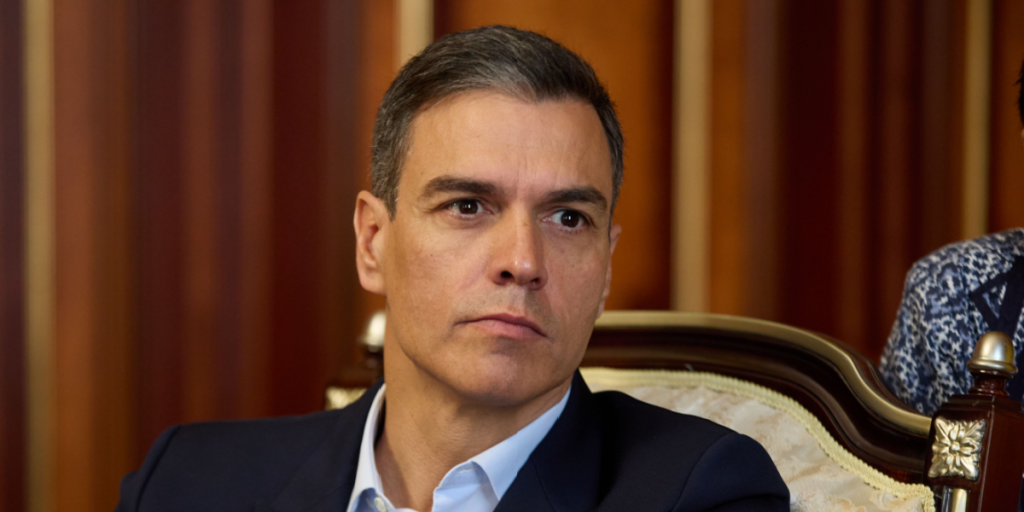
Prime minister Pedro Sánchez said urgent action was needed to protect children online. He described social media as a “digital wild west” where rules are ignored and harmful behaviour goes unchecked. In his view, governments must step in where platforms have failed.
Measures aimed at tech accountability

The Spanish government is preparing a package of reforms that would hold technology companies responsible for hateful and damaging content. Alongside the age ban, the measures would strengthen enforcement and clarify platforms’ legal duties. Sánchez said protecting minors was the priority.
Musk lashes out on X
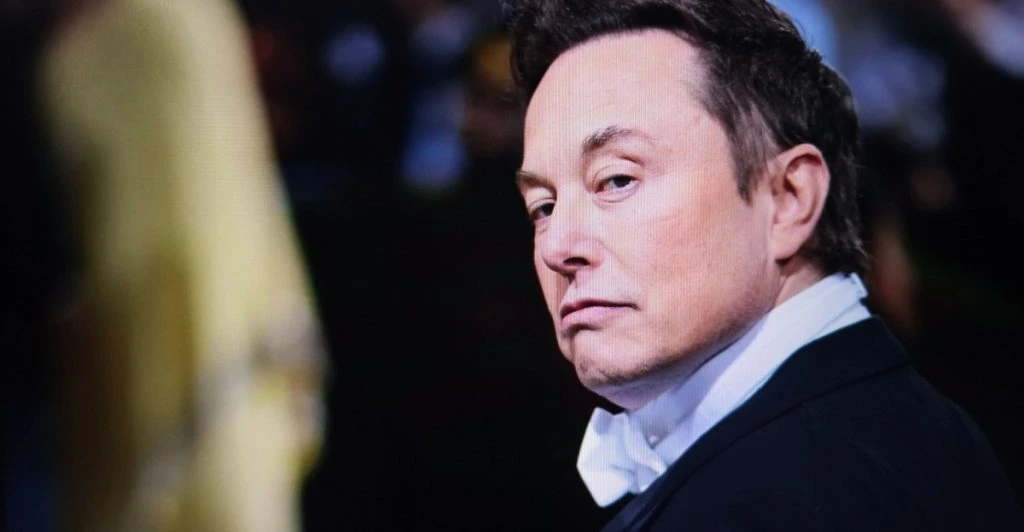
Elon Musk, the owner of X, responded angrily on his platform. He wrote: “Dirty Sánchez is a tyrant and a traitor to the people of Spain.” Roughly 90 minutes later, he escalated the attack, calling the prime minister “the true fascist totalitarian.”


Clash over migration and disinformation
Sánchez accused Musk of using X to “amplify disinformation” about Spain’s decision to regularise 500,000 undocumented workers and asylum seekers. He also pointed out that Musk himself is a migrant. The exchange highlighted growing tensions between governments and platform owners.
Tech firms stay silent

Representatives of Google, TikTok, Snapchat and Meta did not immediately comment on Spain’s proposal. Their silence reflects the sensitivity of the issue as regulators across Europe debate stricter rules. Companies face mounting pressure to respond to public concerns.
Greece prepares a similar step

Spain is not acting alone. A senior Greek government source said Athens is close to announcing a ban for children under 15. The move would place Greece alongside a growing list of countries reconsidering children’s access to social media.
A wider European shift
Spain and Greece appear ready to join Britain and France in adopting tougher positions. Australia went even further in December, becoming the first country to bar under-16s from social platforms entirely. The momentum for regulation is clearly building.
Focus on mental health and development

Around the world, regulators are examining how screen time affects children’s development and wellbeing. Concerns range from anxiety and addiction to exposure to harmful content. These debates are increasingly shaping public policy.
“We will protect them”
Speaking at the World Governments Summit in Dubai, Sánchez said: “Our children are exposed to a space they were never meant to navigate alone … We will no longer accept that.” He repeated his pledge to protect young people from the “digital wild west.”
A coalition of the “digitally willing”
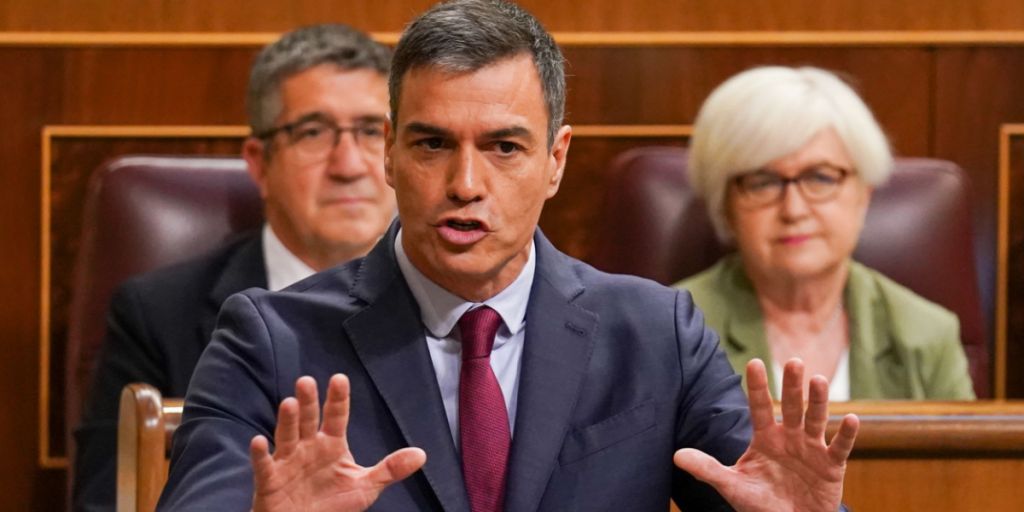
Sánchez said Spain was joining five other European countries in what he called a “coalition of the digitally willing.” The group aims to coordinate and enforce cross-border regulation. He said their first meeting would take place soon.
Debate over harm and ai content

Not everyone agrees social media is inherently damaging. José César Perales, a psychology professor in Granada, said there was no unanimous evidence of harm to adolescents. Still, controversy around AI-generated content, including reports involving Musk’s Grok chatbot, has intensified concern.
Strong public support in Spain
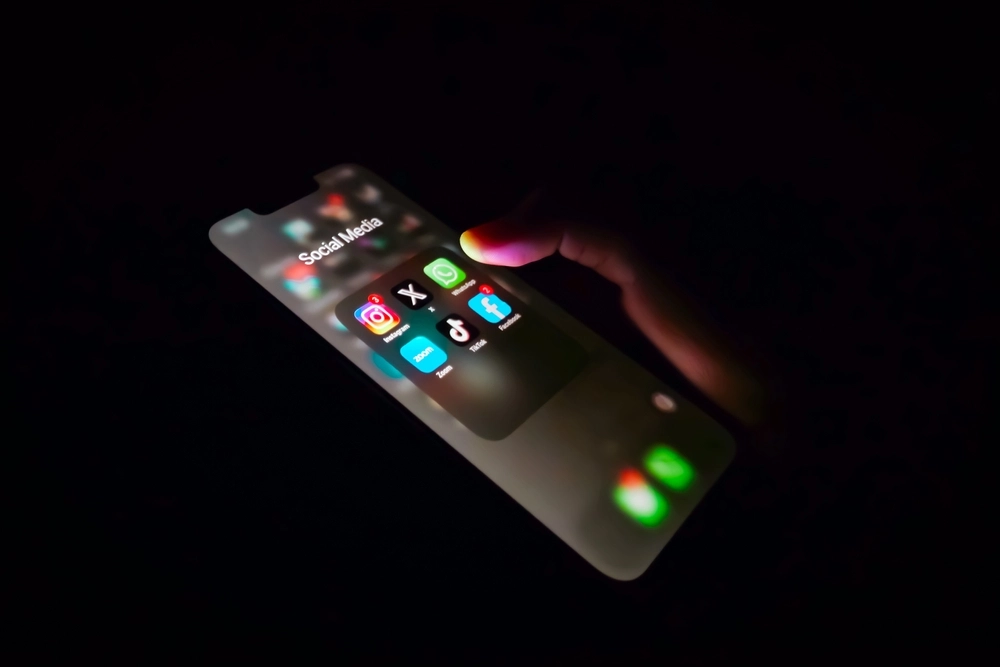
Public opinion appears to back tougher rules. An Ipsos poll published last August found 82% of Spaniards supported banning under-14s from social media, up from 73% the year before. The proposed ban would be folded into an existing bill on digital protection for minors.



