
 Edith Hejberg
“The United States is the only power in the world that has divided the planet into several gigantic commands,” says Alain De Neve, a researcher at the Royal Higher Institute for Defence (IRSD) in Brussels.


The United States maintains the largest network of overseas military installations in the world. Estimates suggest between 750 and 800 sites spread across roughly 95 countries.
Official congressional data lists 128 permanent bases across 51 countries, but many smaller locations also exist.
Some are temporary or discreet facilities used for intelligence gathering or special operations.
Together, they form a worldwide military footprint unmatched in modern history.
A system shaped by the twentieth century
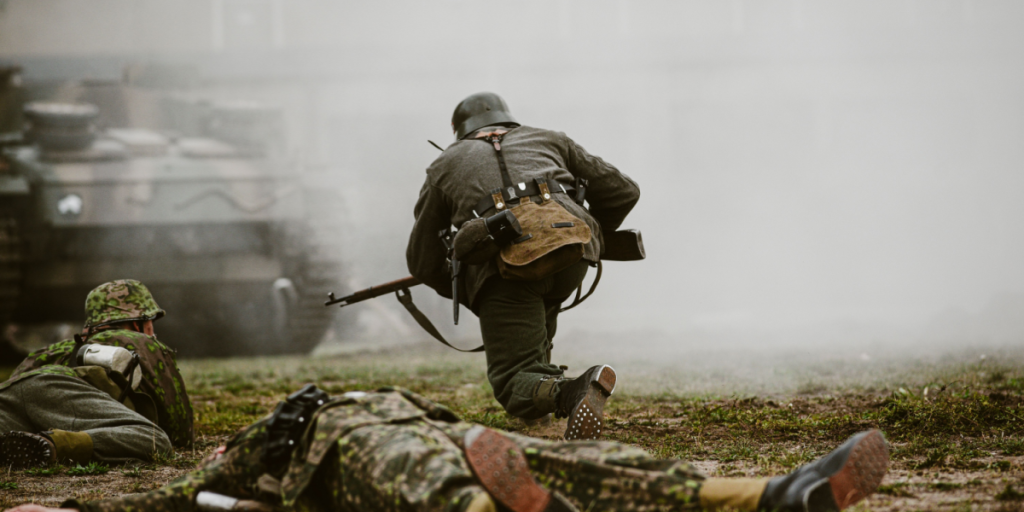
Much of this network emerged after World War II.
The United States built bases abroad to counter the Soviet Union during the Cold War.
After the USSR collapsed in 1991, the system remained in place.
A second expansion followed the attacks of September 11, 2001, during the wars in Afghanistan and Iraq.
Dividing the world into military commands
The scale of this structure is unique.
“The United States is the only power in the world that has divided the planet into several gigantic commands,” says Alain De Neve, a researcher at the Royal Higher Institute for Defence (IRSD) in Brussels.
These regional commands organize American military activity across different parts of the globe.
No other country has built such a worldwide system.
Comparisons to historical empires

The global structure has drawn criticism from some observers.
They argue the network resembles the organization of historical empires.
As Alain De Neve notes, critics say “the United States divides its empire, just as the Roman Empire divided its possessions into provinces, with consuls and proconsuls appointed to oversee them.”
The comparison highlights the political scale of the American presence abroad.


Rapid military intervention anywhere
One of the main roles of overseas bases is speed.
From these locations, American forces can intervene in many regions within hours.
Bases store equipment, host aircraft, and provide logistics for rapid deployments.
This global reach is a core element of US military strategy.
Intelligence and surveillance hubs
These bases also support intelligence operations.
Listening posts, surveillance aircraft, and drones often operate from them.
The facilities allow the United States to monitor strategic regions closely.
They also collect information on potential threats and regional conflicts.
Securing trade routes and resources

Another mission involves protecting major trade routes.
Many installations sit near key maritime passages or energy corridors.
Their presence helps safeguard the movement of oil and other goods.
In this way, military infrastructure also supports global economic stability.
Diplomacy and deterrence

Some bases serve political purposes as well.
Their presence can deter regional adversaries and reassure allies.
“Some installations have a diplomatic purpose [rather than purely military], to establish relations between the US Department of Defense and the country’s authorities,” recalls Alain De Neve.
Military cooperation often strengthens wider political ties.
Europe remains the main hub

Despite current tensions in the Middle East, Europe hosts the largest concentration of American forces.
Around 70,000 US personnel are permanently stationed at roughly thirty bases.
Because of the war in Ukraine, an additional 10,000 to 15,000 troops are sometimes deployed temporarily.
Germany, Italy, and the United Kingdom host the largest contingents.
The strategic role of Ramstein
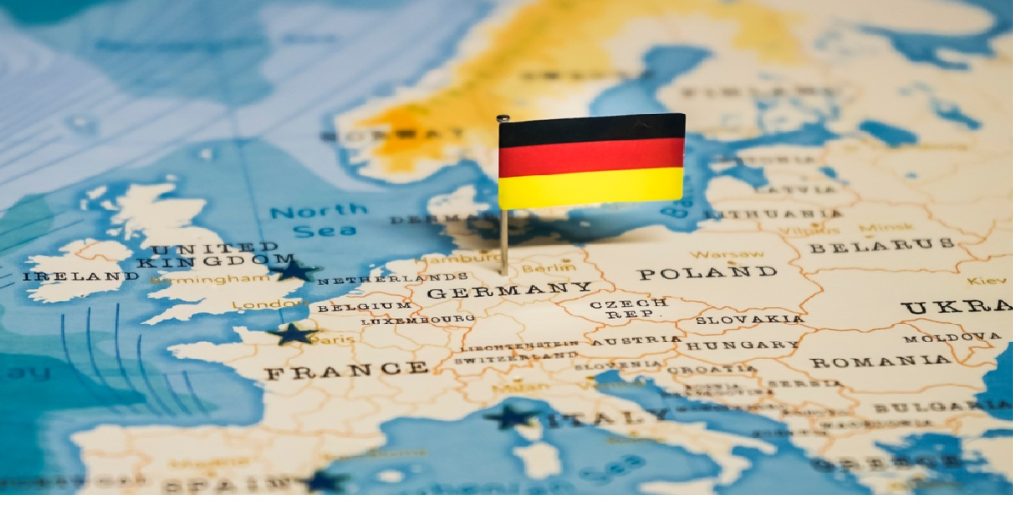
Ramstein Air Base in Germany is a central hub for American operations.
Located in Rhineland-Palatinate, it connects the United States with Europe, Africa, and the Middle East.
Troops, equipment, and aircraft frequently pass through the base.
It functions as a key logistical gateway for US forces.
Bases across Asia and the Middle East
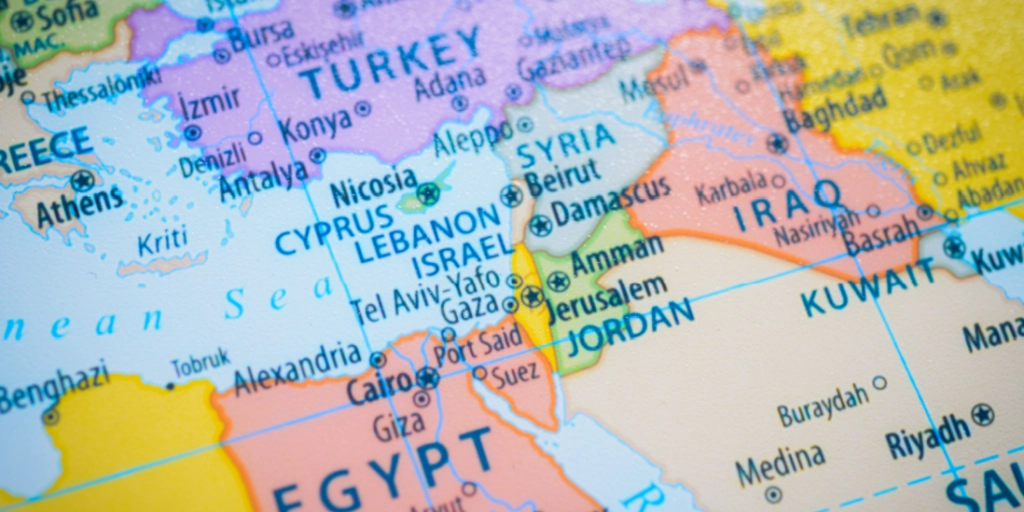
Outside Europe, Japan and South Korea host major American forces.
In the Middle East, important installations exist in Qatar, Bahrain, Kuwait, and Jordan.
Some of these sites have recently faced pressure due to the conflict with Iran.
The limits set by host countries

American bases abroad are not separate territories.
“The host country remains the ultimate guardian of how that base is used,” explains Alain De Neve.
Washington must respect the sovereign decisions of the states hosting its troops.
Recent examples include the US withdrawal from Mali in 2024 and restrictions in the Philippines in 2025.
Why the network may continue for decades

Despite political tensions, the American presence in Europe is unlikely to disappear soon.
European governments still value the security guarantee provided by US forces.
Closing bases would also be expensive for Washington.
For now, the continent remains the strategic “heartland” of America’s global military posture.



