
 Jens Asbjørn Bøgen


According to the Ukrainian President, Moscow wants a NATO from a time when the alliance consisted of just 16 nations.


Peace diplomacy around Ukraine has quietly widened into something much larger. According to Ukrainian President Volodymyr Zelensky, Moscow is no longer only negotiating over the terms of a ceasefire. It is trying to use the moment to redraw the security map of Europe itself.
Speaking at a press briefing in Kyiv on Tuesday, October 27, 2026, Zelensky said Russia is pushing for a separate agreement with NATO, or with the United States alone, that would rewrite Europe’s security architecture.
He said he did not have the full text of the current Russian demands, but told reporters that the pattern was familiar, and that decisions about NATO’s military footprint should be left to alliance members themselves.
The 1997 line Russia keeps returning to
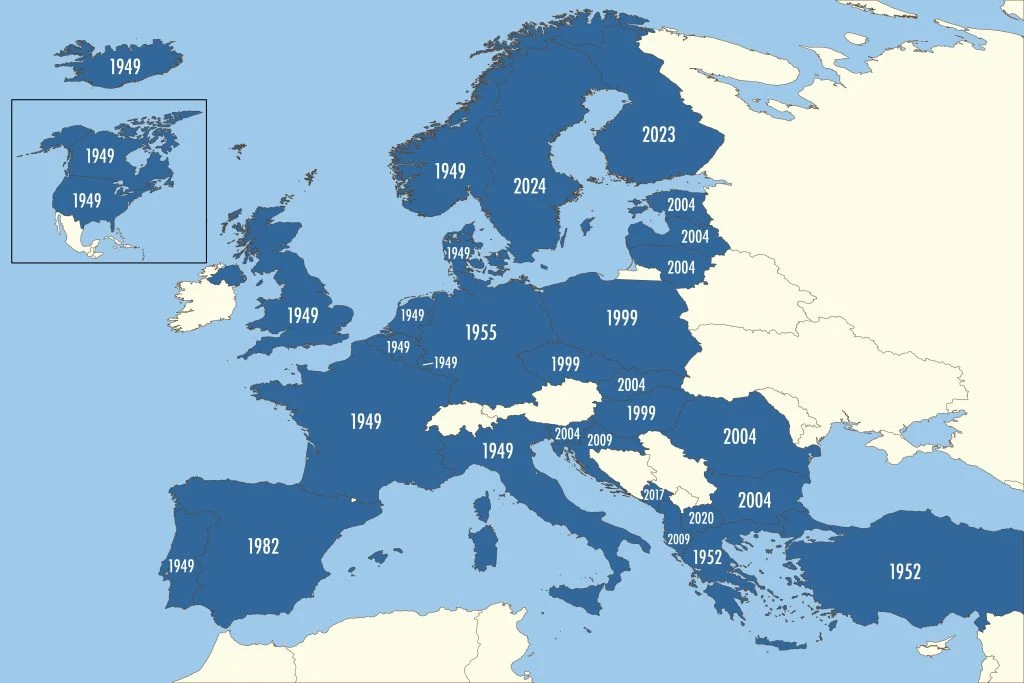
The template Zelensky described is not new. In mid-December 2021, weeks before the full-scale invasion, Russia’s foreign ministry published two draft treaties, one with the United States and one with NATO, that demanded the alliance pull its forces and weapons back to where they stood in May 1997, before Poland, the Baltic states, Romania and other eastern members joined.


Sixteen nations have joined NATO since 1997, doubling the alliance’s size to 32 members. While Moscow’s proposal would not formally revoke their treaty membership, barring allied troops and weapons from their territory would effectively turn half the alliance into a second-tier security zone with no forward defense infrastructure.
NATO formally rejected those core demands in January 2022, as the Chatham House analysis of the drafts noted at the time, calling the proposal an attempt to recarve the post-Cold War order.
Russia launched its full invasion of Ukraine less than a month later.
Why the Kremlin may be pressing again
Zelensky suggested two recent moves by the Trump administration have given Moscow new leverage. He told reporters he had “heard signals from the United States from a different angle, regarding the presence of American troops on European territory, possible reductions, and so on,” adding that “any retreat, any rollback in security terms, is a sign of weakness for the alliance.”
Those US signals are concrete. In September, NBC News reported that the Pentagon was weighing a plan to pull 25,000 or more American troops from Europe, close to a third of the current US presence on the continent.
The second signal is the fuel deal struck between President Donald Trump and Russian President Vladimir Putin earlier this month. The first Russian diesel tanker under that agreement, carrying 40,000 tonnes of fuel bound for the United States, was due to sail on Thursday, October 22, Al Jazeera reported, with further shipments to follow.
In Zelensky’s reading, those signals, a possible US drawdown and a sanctions carve-out, told Moscow the door was open to ask for more. Kyiv is now pressing for talks in Abu Dhabi before any wider deal is cut over its head.



