Anna Hartz
More than 800 sick in U.S. cyclospora outbreak linked to fresh produce

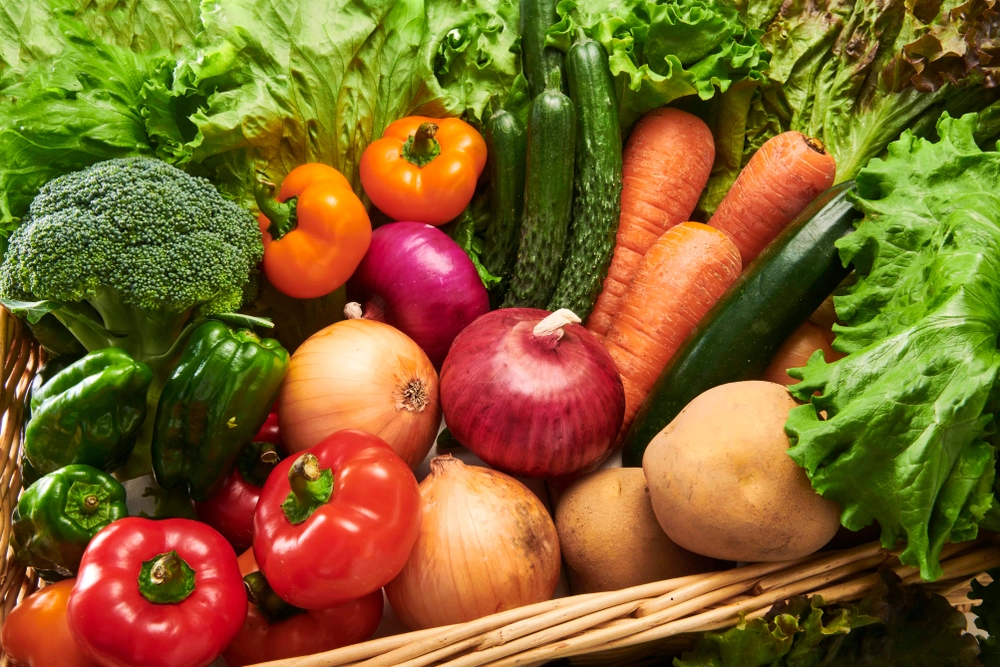
More than 800 people in at least 31 U.S. states have become sick with cyclosporiasis since May, reports Eatingwell. The illness is caused by a microscopic parasite called Cyclospora cayetanensis. Health officials believe the current outbreak is linked to fresh produce, especially berries, leafy greens, herbs, and salad mixes.
Spreads through produce
Doctors say Cyclospora spreads through contaminated food or water. It does not normally spread from one person to another. The parasite usually gets onto fruit and vegetables while they are being grown, harvested, or processed before they reach stores.
Experts say the produce itself is not the problem. The concern is contamination that happens before the food reaches consumers. This means people should continue eating fruit and vegetables while following safe food handling practices.
Some foods are considered more vulnerable because of their shape. Raspberries, blackberries, lettuce, cilantro, basil, and green onions have many small surfaces where the parasite can remain. These foods are also often eaten raw, which means the parasite is not destroyed by cooking.


Smoother fruits and vegetables, such as grapes, blueberries, cucumbers, and melons, are generally easier to wash thoroughly.
Never use these household products on produce
Food safety experts recommend washing hands with soap and water before handling produce. All fruits and vegetables should be rinsed under cool running water before eating, cutting, or cooking them. Soap, bleach, and household cleaners should never be used because they can leave harmful chemicals on the food.
Even produce with skins that people do not eat, such as melons and avocados, should be washed before cutting. Otherwise, a knife can carry contamination from the outside into the edible part.
Cooking vegetables whenever possible also lowers the risk because heat kills the parasite. Buying whole heads of lettuce instead of pre-packaged salad mixes may also help because the outer leaves can be removed before washing.
The most common symptom is watery diarrhea that can continue for days or even weeks. People whose symptoms do not improve should contact a doctor because special testing may be needed to confirm Cyclospora infection. Health officials say no deaths have been linked to the current outbreak so far.