
 Jens Asbjørn Bøgen
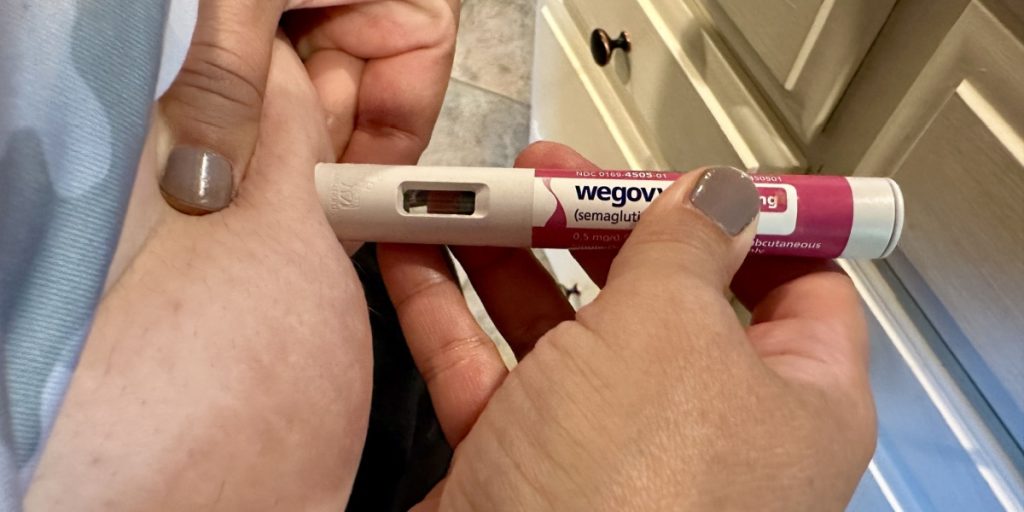
The number of calls to US poison centers has increased several-fold.


When the US Food and Drug Administration approved semaglutide for weight loss in 2021, demand exploded. Medications like Ozempic and Wegovy became household names. But that massive popularity sparked an alarming trend across America.
Poison control centers soon found themselves overwhelmed. According to research from the University of Texas at San Antonio, calls involving these weight loss drugs skyrocketed right after the new approval.
Prior to the approval of semaglutide, US poison centers handled roughly 1,000 to 1,500 calls a year regarding these medications. By 2023, that number surged past 8,000 cases.
UT San Antonio professor David Han and student Jordan Miller led the study. They analyzed national data, proving the spike was tied to the weight loss craze.


“One of them was this quite odd category of semaglutide,” Han noted according to Science Daily.
Staggering data
The researchers discovered that the vast majority of calls did not stem from intentional abuse. Instead, patients made simple dosing mistakes. Even so, the sheer volume of incidents shocked the team.
“In that figure that tracks the increase by specific drug, I wasn’t expecting semaglutide to be so incredibly dominant,” Jordan Miller recalled.
She added: “I figured that it would lead the pack, but it was staggering. On the other hand, it makes sense with all the media attention.”
The data revealed two major errors. Some patients injected the drug every day instead of weekly. Others skipped the step-by-step preparation entirely, taking the maximum dose on day one.
The results were painful. “Can you imagine something you’re supposed to trickle up to, and you’re going full blast and seven times more often than you’re supposed to?” Miller said.
Better education needed
The findings appeared in the Journal of Medical Toxicology. They point directly to a massive gap in patient safety knowledge. Han emphasized that marketing a drug for weight loss changes how the public treats it.
“When the GLP-1[RA] drugs are being sold to diabetic patients, that’s a completely different story versus when the drug is used for weight management,” Han explained. He urged better public guidance because long-term safety is not fully understood.
To fix this, the team wants clearer instructions. A bit of extra advice at the pharmacy counter could easily prevent thousands of these dangerous mistakes.



