Edith Hejberg

Western Sydney University, recommends standing up every 30 to 45 minutes, even if it’s just for a minute or two.


If you’re hunched over your phone or slouched at your desk right now, it might be time to tune in to what your neck is saying. Long hours in the same position, especially while using screens, can lead to stiffness and pain.
But with small changes and regular movement, you can reduce discomfort and protect your neck in the long run.
Micro-breaks: small pauses, big impact

Sitting still for too long is a major culprit behind neck pain. Dr Rocco Cavaleri, a physiotherapy lecturer at Western Sydney University, recommends standing up every 30 to 45 minutes, even if it’s just for a minute or two.
These “active breaks” help ease tension, reduce stress and give your body a much-needed reset.


Make those breaks count
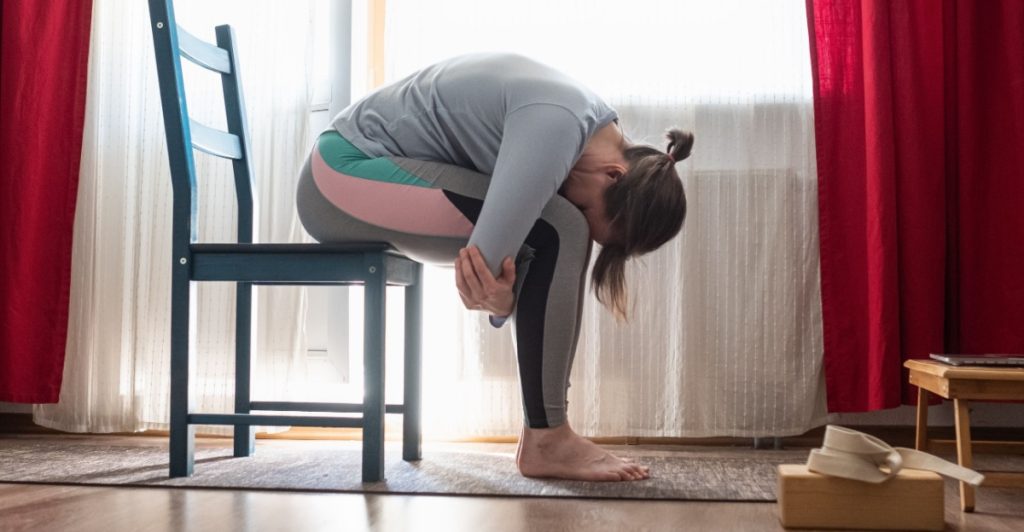
While you’re standing, take a few deep breaths and gently roll your shoulders back. Turn your head slowly from side to side.
Stretch across your chest. According to Cavaleri, just a bit of movement can make a big difference in how your upper body feels over the day.
Reset your posture regularly

A quick posture correction every 30 minutes can work wonders, says Julia Treleaven from the University of Queensland.
Elongate the back of your neck, set your shoulder blades apart, and hold for 10 seconds. You can also take a brief walk, even just 30 seconds, to reset your spine and energy.
Listen to your body’s cues

Discomfort is your body’s way of nudging you to move. “Don’t ignore those signals,” says Dr Poonam Mehta, a physiotherapy lecturer in Sydney.
If you can’t step away, try mixing things up: switch from typing to a phone call, or stand while reading notes. Even minor task changes give your neck a break.
Bring your screens up to eye level

If your neck constantly bends forward to look at your screen, it’s time to adjust. Cavaleri recommends using a laptop riser or phone stand to keep screens at eye level.
These simple tools reduce the load on your neck and help prevent long-term strain.
Set up your workspace the smart way
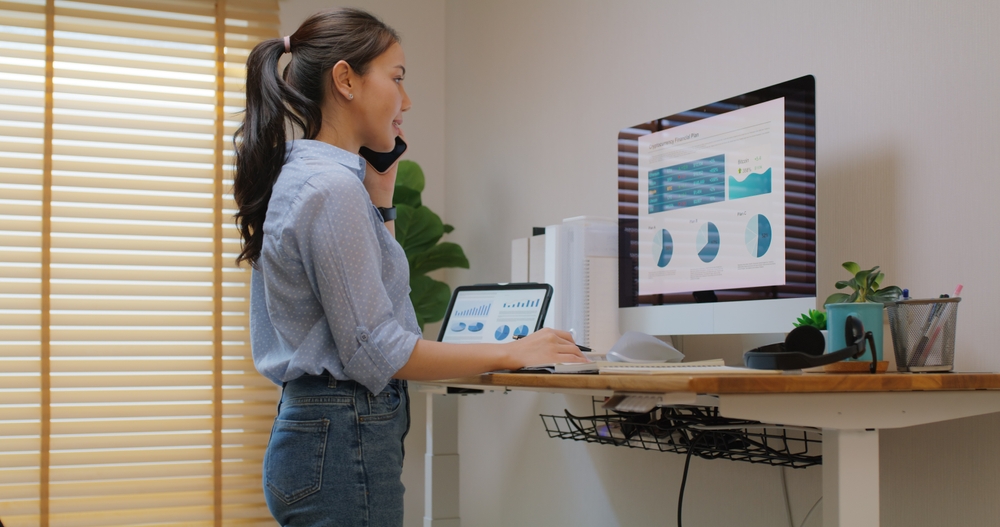
Posture-friendly desk setup makes a big difference. Treleaven suggests keeping your elbows and knees at 90 degrees, and positioning your keyboard and mouse close by.
If you use two screens, make sure they’re level, with your main one directly in front of you. Occasionally shifting your monitor slightly also encourages gentle neck rotation.
Skip the neck cracking — stretch instead

Cracking your neck might feel satisfying, but it’s not a solution, say experts. Instead, opt for slow, gentle mobility exercises.
These improve flexibility without risking strain or injury, especially when done a few times a day from your chair.
Try the “bow and arrow” stretch

Treleaven recommends this simple move: sit upright with your arms extended, palms together. Slide one arm back like you’re drawing a bow, turning your head to follow your elbow.
Then return to the start and repeat on the other side. It’s a gentle way to add rotation and movement to your neck.
More easy stretches to try

Stubbs advises sticking to slow, controlled stretches. Try side rotations, turn your head left and right without moving your shoulders, and the ear-to-shoulder move, where you drop your ear toward your shoulder while keeping the shoulder relaxed.
Up to 30 repetitions of these gentle moves can ease tension and build mobility.
Keep moving throughout your day

Regular exercise supports neck and spine health. Cavaleri suggests walking meetings, taking the stairs, or going for a brisk lunchtime walk.
Even cycling to work helps. Aim for 30 to 60 minutes of moderate activity most days to stay mobile and reduce stiffness.
Don’t let pain stop you from moving

Mild pain doesn’t mean you should stop moving altogether. In fact, gentle movement can help prevent your neck from freezing up.
Stubbs encourages staying active, even if it’s just light stretching, to maintain flexibility and avoid worsening the problem.
Check your stress and your sleep

Stress often shows up as tight shoulders and a stiff neck. Treleaven notes many people unconsciously tense their upper back muscles. Stubbs recommends doing a quick self-check: are you clenching your jaw or shrugging your shoulders?
Take a breath and relax. Cavaleri adds that a good night’s sleep and a calming bedtime routine, like light stretching or a walk, can also ease muscle tension. And don’t forget to keep your neck well-supported while you sleep.