Edith Hejberg
People under greater financial stress had older cardiovascular profiles, suggesting that chronic worry about money may take a serious toll over time


A new study published in Mayo Clinic Proceedings reveals that financial stress and food insecurity may accelerate cardiovascular aging, in some cases, more than traditional risk factors like high blood pressure or smoking.
These findings add weight to growing evidence that economic strain can have a profound impact on physical health.
Why heart aging matters, and what it really means

Rather than focusing solely on heart disease diagnoses, researchers looked at “cardiovascular age”, a measure of how old your heart and blood vessels appear compared to your actual age.
People under greater financial stress had older cardiovascular profiles, suggesting that chronic worry about money may take a serious toll over time.


The stress of survival can reshape your heart

The study, which analyzed data from more than 280,000 adults, found a strong link between financial stress and advanced heart aging.
Even after adjusting for medical conditions, those struggling with money or food insecurity showed signs of cardiovascular wear and tear, highlighting how stress can manifest physically.
Cortisol, adrenaline, and your aging heart
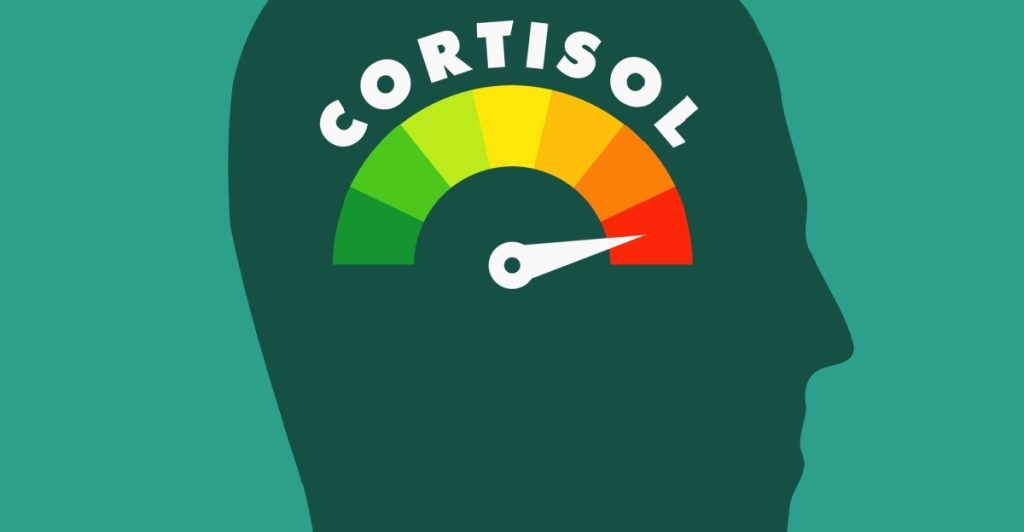
Dr. Leana Wen explains that chronic stress activates the body’s fight-or-flight system. Hormones like cortisol and adrenaline raise blood pressure, increase inflammation, and strain the cardiovascular system.
Over time, these effects can mirror the damage caused by aging or chronic illness.
Why financial stress hits differently

Financial stress is often relentless and deeply personal. It doesn’t fade after a tough day at work. Concerns over rent, debt, groceries, or medical bills often persist for months or years.
That unending pressure affects sleep, nutrition, exercise, and overall well-being, all of which contribute to heart health.
When money worries rival medical diagnoses

Surprisingly, the study found that the impact of financial stress on heart aging was equal to, or even greater than, risks like smoking or diabetes.
This challenges traditional views of heart disease and suggests that doctors should look beyond blood pressure and lab tests to assess true risk.
No, financial stress doesn’t doom your heart

The good news? Financial stress increases cardiovascular risk, but it doesn’t guarantee heart problems.
Risk is multifactorial, and people can still take meaningful steps to protect their hearts, even under economic strain.
What doctors can do about it

Dr. Wen urges healthcare professionals to consider financial stress when evaluating heart health.
While doctors can’t fix a patient’s financial situation, they can acknowledge its impact, offer flexible care plans, and connect patients to community resources that might ease some of the burden.
Stress management is heart protection

Beyond medications, managing stress is vital for cardiovascular health. Sleep, mindfulness, social support and emotional coping strategies can reduce the physical toll of long-term stress.
These habits may not erase financial hardship, but they can help buffer the body’s response.
Keep up with the heart health basics

Dr. Wen emphasizes that the fundamentals still matter: regular exercise, a balanced diet, not smoking, and managing blood pressure, cholesterol and blood sugar.
Early treatment of silent conditions like hypertension can dramatically lower future heart risks, regardless of stress level.
Don’t skip your checkups, especially under stress

Routine medical visits can catch problems early. Many cardiovascular issues develop silently, and stress may distract people from prioritizing their own health.
Staying connected with a healthcare provider is especially important when life feels overwhelming.
Heart health is also about your zip code

This study adds to a growing understanding that social and economic conditions are inseparable from physical health.
Where and how people live, including their access to food, safe housing, and affordable healthcare, shapes cardiovascular risk as much as any lab result.
A more compassionate way to protect hearts

Ultimately, recognizing financial stress as a serious health factor could lead to more effective and empathetic care.
As Dr. Wen puts it, acknowledging these pressures doesn’t just help patients feel seen it can save lives.