
 Anna Hartz
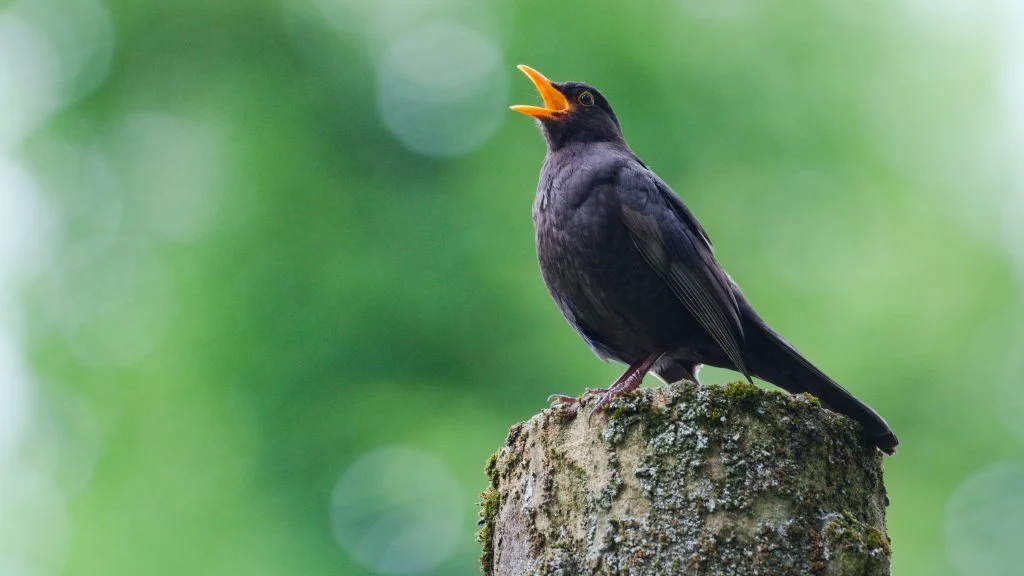
Attention has increasingly turned to sounds, especially birdsong, and how it affects the body and mind.


People often talk about the calming effect of nature. A walk in a park or forest can feel like a break from everyday pressure. Scientists have long tried to understand why this happens.
The study
Research shows that people tend to feel better in places with many bird species, according to Videnskab. Life satisfaction also seems to be linked to how rich bird life is in an area. This led a group of researchers to study the effect more closely.
The study involved 233 participants who walked through a park at University of Tübingen. The location was the university botanical garden. Each walk lasted about 30 minutes. Before and after the walk, participants filled in questionnaires about their mental well being.
Researchers also measured blood pressure, heart rate, and cortisol levels in saliva. Cortisol is a hormone linked to stress and can change quickly in the body.


To test the effect of birdsong more precisely, the team added speakers in the trees. These played recordings of rare birds such as the golden oriole, tree pipit, garden warbler, and mistle thrush. The recordings were chosen based on earlier studies where people rated which bird sounds they enjoyed most.
The goal was to use sounds people already reacted positively to. The researchers also made sure the recordings would not disturb the real birds living in the park. They mapped the local bird species but did not play their calls through speakers.
Paying attention
Participants were split into five groups. Some walked while artificial birdsong played through speakers. Some of these were asked to pay attention to the sounds. Other groups heard only natural birdsong. One group was also instructed to focus on what they could hear naturally. The final group wore noise cancelling headphones as a control.
Across all groups, physical stress levels dropped after the walk. Blood pressure and heart rate went down. Cortisol levels also fell by almost 33 percent on average. Self reported mood improved as well.
Those who actively paid attention to birdsong showed the strongest improvement in well being. This suggests that awareness plays a role in how much benefit people feel.
The speaker recordings did not improve results more than natural sounds. One explanation is that people may have noticed the artificial nature of the sounds. Another is that birdsong may have a limit in how much it can improve mood.
The findings suggest that nature alone helps reduce stress. Paying attention to birds can make the effect stronger. People do not need expert knowledge to benefit. Simply listening seems to matter.
The results also suggest parks do not need rare species to support well being. What matters more is the experience of hearing birds during everyday walks.


