
 Kathrine Frich
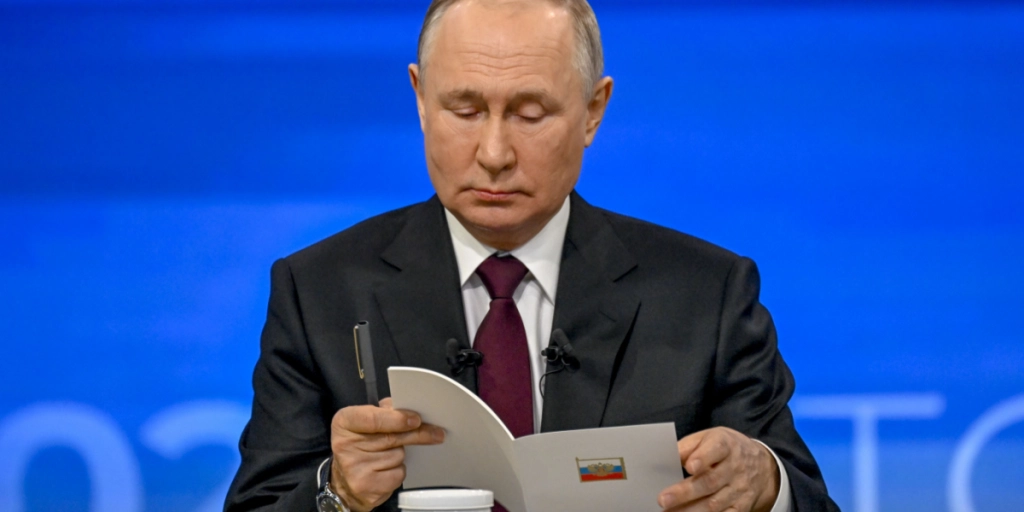
Moscow is stuck in a brutal trap.


Wars rarely go to plan. When leaders order troops across a border, they usually expect a quick victory. But sometimes the opposite happens, creating a massive problem right next door.
A massive miscalculation
In early 2022, many experts assumed the fight would end fast. They simply debated how much land Ukraine would need to give up to stop the violence.
Four years later, that conversation has shifted completely.
The Atlantic Council cited by O2 recently reported a surprising twist. The prolonged Russian invasion built up its smaller neighbour in unexpected ways. Rather than breaking the Ukrainian armed forces, the fierce conflict turned them into a highly advanced military machine.


Building a new force
Military analyst Peter Dickinson notes that the massive transformation actually kicked off back in 2014. At the time, Vladimir Putin reportedly viewed the neighbouring state as a completely defenseless target waiting to be taken.
The assessment made complete sense. The defending army only had a few thousand combat-ready troops available to fight.
That harsh reality sparked major government reforms. The military quickly grew to hundreds of thousands of soldiers and shifted toward standard NATO practices.
Then the full-scale attack hit in 2022, pushing those structural changes into absolute overdrive. Young commanders stepped up to lead. Completely fresh tactics quickly took over the chaotic battlefield.
Taking the lead
One specific technological area stands out from the rest. The Atlantic Council notes that the country is currently a global leader in modern drone warfare.
Tech companies and frontline soldiers worked together to develop incredibly smart weapons. These advanced tools routinely strike targets deep behind enemy lines and help military leaders maintain crucial control over the Black Sea.
The world is definitely paying close attention. International leaders are increasingly looking to Kyiv for modern military advice.
Changing the map
Dickinson highlights a diplomatic push in the Persian Gulf during the spring of 2026. President Volodymyr Zelensky offered to help fight the growing threat of Iranian drones, leaving Moscow stuck in a brutal trap.
“Russia finds itself in a difficult situation today,” admitted Peter Dickinson. “A compromise peace would mean accepting the existence of a militarily powerful and hostile Ukraine right on Russia’s borders. Continuing the war, in turn, could further accelerate the modernization of the Ukrainian military.”
Meanwhile, European leaders are paying close attention. They worry about a potential drop in US military support. Today, they clearly see this battle-tested army as a key piece of the continent’s long-term security.
Sources: The Atlantic Council, O2



